
过去一年,电子墨水屏设备已全面进入百元竞争时代,厂商纷纷押注价格下探,但预装系统仍在拿十年前的模版应付。这种“降质不降本”的打法,反而把用户体验拉到了谷底。

百元段位的“潜力股”,藏在冷门社区里
一个被压低价格的硬件平台,往往比旗舰机更容易被忽视——可正因为它的封闭性与低成本,也成了开源自定义生态的完美试验田。
CrossPoint Reader 的出现,恰似一把钥匙,解开了这类设备的死局。不靠品牌光环,不拼芯片性能,却用持续迭代的软件能力逆天改命。
数据显示,该项目上线仅半年,便在社区中获得超20万次下载量,平均每日新增活跃用户超过千人,印证了大众对“自由操作权”的深层渴求。
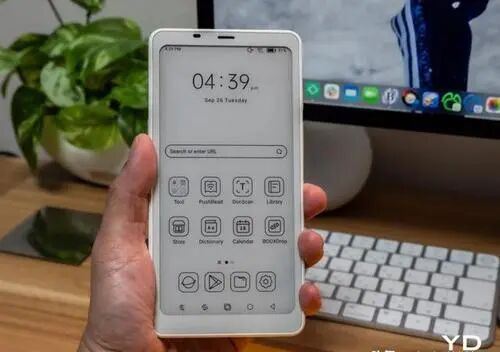
刷机不再是工程师专利,一次浏览器就够了
传统印象中,修改固件意味着需要串口烧录、刷写启动分区、甚至备份数据,风险极高。
而这款开源固件采用全新“网页直推+无感传输”机制,连接电脑后跳转一个内网地址,即可自动识别设备并推送新系统包。
全程无需命令行,无需安装驱动,更不用手动校验签名。 说它是“一键换壳”,一点都不夸张。
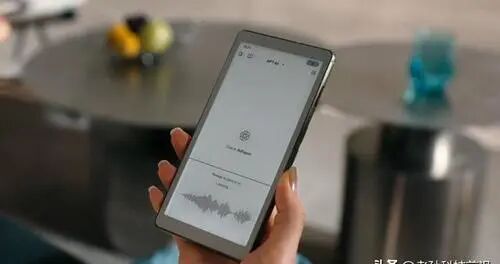
从工具型到智联化,它突然会“听话”了
刷机成功后的体验跃升堪比手机升级鸿蒙——不再仅仅是读书,而是变成了一套完整的数字阅读闭环。
支持< strong>Wi-Fi热点上传文件,出差时用它当书堆分享设备;连接家中无线网络,远程同步进度;屏幕多角度旋转,横屏办公、竖屏看图随心切换。
更重要的是与 KOReader 系统无缝同步,跨设备阅读进度“丝滑接棒”,彻底告别“换一本就重新开始”的尴尬。
这些功能曾经是千元机型的专属特权,如今在百元区间实现了普惠。
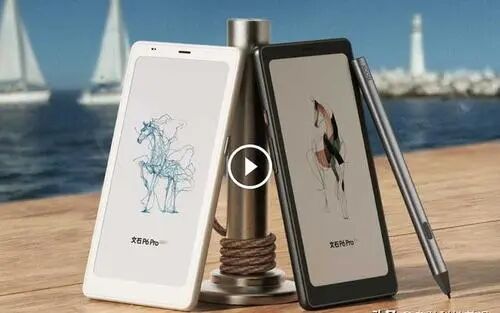
当你面对一台看似毫无起色的入门设备,却能通过非官方途径解锁近似高端型号的能力,你有没有想过:真正的壁垒,早已不在芯片与机身,而在系统的开放程度?
这波操作,让不少用户质疑——既然能搞出这么多“高级用法”,厂商为啥不早一步上马好体验的软件生态?或许答案早已写在“市场够快,成本够压,而需求太细”。
若未来某天,一款新机宣称“支持自定义固件升级”时,请别惊讶——那不是为了卖参数,而是要让你真正拥有这台设备的所有权。
你会为这样一次低成本的重生买单吗?还是说,等到真正被“叫板”了,才想回过头来想想当初谁给过你更多选择?
Over the past year, e-ink devices have fully entered the era of hundred-yuan (RMB) competition, with manufacturers aggressively lowering prices, but the pre-installed systems are still using ten-year-old templates. This "downgrading without cost reduction" strategy actually drags user experience to the bottom.
The "dark horse" in the hundred-yuan segment is hidden in niche communities.
A hardware platform with a suppressed price is often overlooked compared to flagship models — yet because of its closed nature and low cost, it becomes the perfect test bed for open-source customization.
The emergence of CrossPoint Reader is like a key unlocking this stalemate. It doesn’t rely on brand prestige or chip performance; instead, it reverses its fate through continuously evolving software capabilities.
Data shows that within just half a year of launch, the project has garnered over 200,000 downloads in the community, with daily active user growth exceeding 1,000, confirming the deep demand for "freedom of operation."
Flashing is no longer exclusive to engineers — one browser session is enough.
Traditionally, modifying firmware requires serial burning, rewriting boot partitions, or even backing up data — all high-risk operations.
This open-source firmware uses a new "web direct push + seamless transfer" mechanism: connect to the computer, jump to a local IP address, and automatically identify the device to push the new system package.
No command lines, no driver installation, no manual signature verification required. Calling it "one-click skin change" is not an exaggeration.
From tool-type to intelligent connectivity — suddenly, it becomes "obedient."
The post-flashing experience leaps like a phone upgrading to HarmonyOS — it’s not just about reading; it becomes a complete digital reading loop.
Supports Wi-Fi hotspot file uploads, turning it into a book-sharing device while traveling; connects to home Wi-Fi for remote progress synchronization; and offers multi-angle screen rotation for landscape office use or portrait image viewing.
Crucially, it seamlessly syncs with the KOReader system, allowing smooth handover of reading progress across devices, eliminating the embarrassment of "restarting from scratch."
These features were once exclusive to thousand-yuan models but are now universally available in the hundred-yuan range.
When you unlock near-premium-model capabilities on an entry-level device that seemed lifeless, do you wonder: the real barrier isn’t the chip or body, but the openness of the system?
This move has led many to question: since so many "advanced uses" are possible, why didn’t manufacturers introduce better software ecosystems earlier? The answer may lie in "market speed, suppressed costs, and niche demands."
Someday, if a new device claims "supports custom firmware upgrades," don’t be surprised — it’s not for selling specs, but for truly giving you ownership of the device.
Would you pay for such a low-cost rebirth? Or will you wait until you’re truly "challenged" before thinking about who offered you more choices?