
原文链接:https://mp.weixin.qq.com/s/CYsfTNMkce2RNSRFabHAIw
读书,很久没有碰了。
AI 时代,答案唾手可得,让我一度怀疑:阅读还有什么意义?
读了很多书,跟听了很多道理一样,知行之间还是有 gap。
怎么缩小 gap 呢。感受,捕捉,看到自己。
阅读文字,其实是在学习如何用语言捕捉模糊的感受。当你能准确描述时,就开始拥有了处理它的能力。
好的思考就是好的感受,每个人都是一座感受图书馆。
当我们读书,读的是什么
不好意思,我又要说“读的是自己”了。很鸡汤,但如果不是为了读懂自己,阅读又有什么意义呢?
自己才是最宝贵的数据源~
与其说读的是书,不如说读的是碎片。
想象这样一个画面,当你进入一个主题,就像章鱼伸出触手,去捕捉那些与你共鸣的灵感碎片。这些碎片汇聚而来,一点点补充你。
阅读带给我的,就是这种“有灵魂”的感觉。
有时候我觉得自己很空心,文字教我用语言捕捉那些模糊的情绪,写下来之后,至少减轻一点苦闷。

用 NotebookLM + Obsidian 阅读
Obsidian 是一款“少即是多”的产品,以 markdown 为主,界面简洁,插件可接 AI ,最重要的是,把数据主权还给了我。
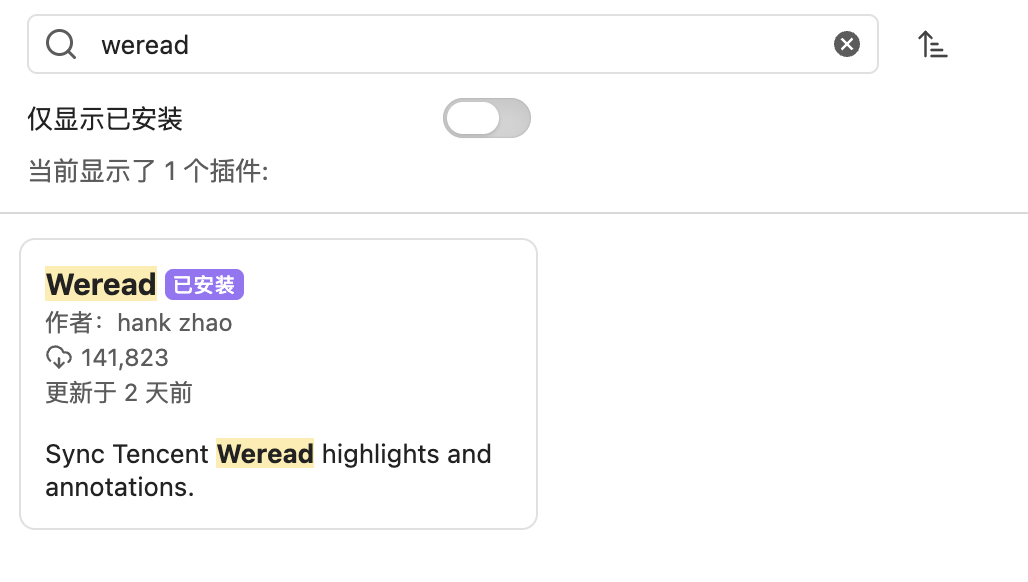
我主要用微信读书,Obsidian 里有个 14 万人安装过的插件叫 Weread,可一键同步读过的所有书、划线评论到本地。
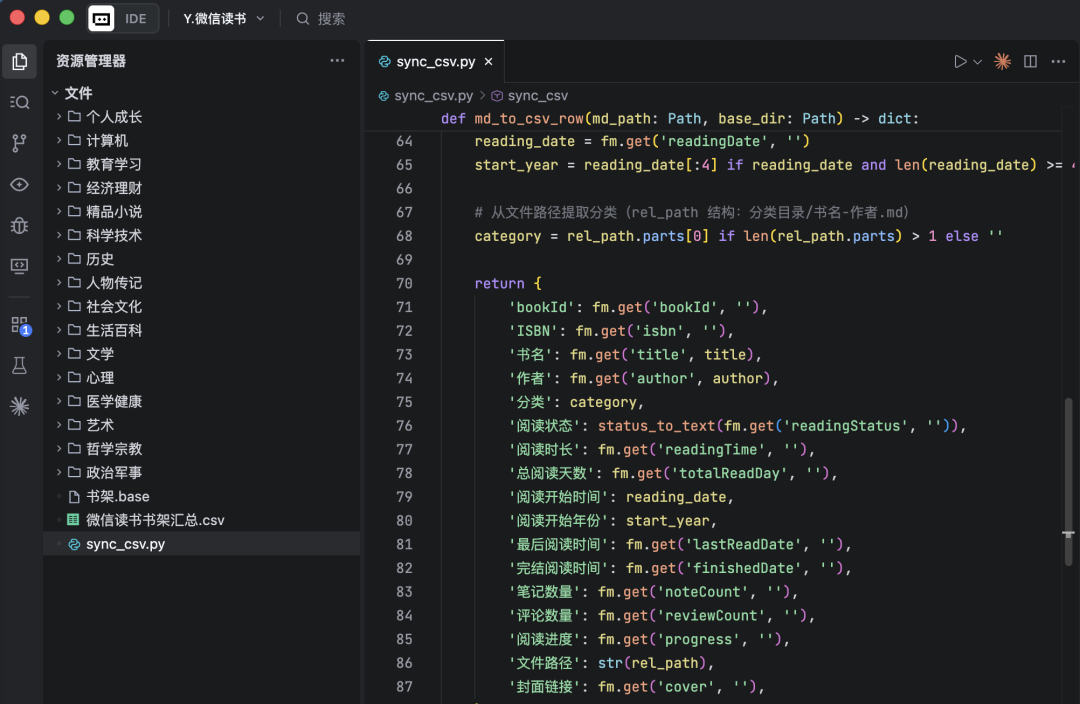
一种是结构化数据。AI 整理出每本书的基本信息,比如什么时候开始读的、读了多久、阅读进度、划了多少线和评论数量。
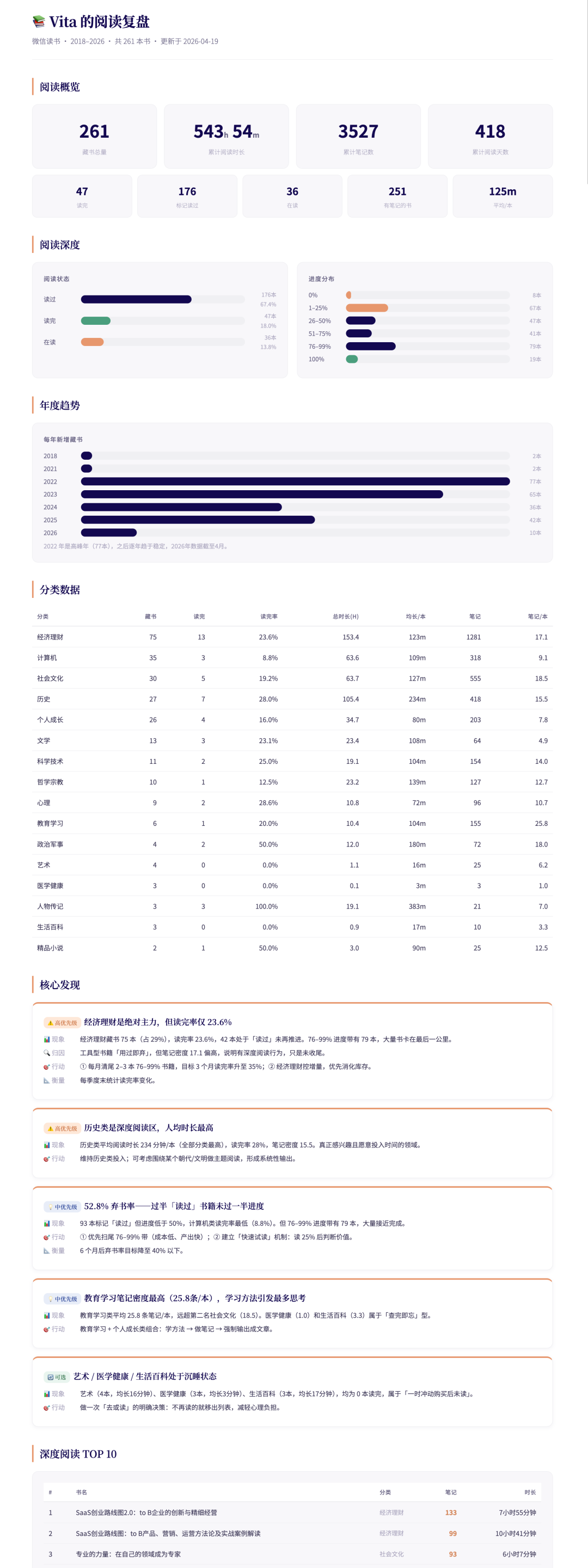
通过脚本更新阅读数据,再调用之前总结的DIG探索性数据分析skill,直接生成阅读复盘报告,并给出阅读建议。
另一种是非结构化的文本数据。 如何从碎片中连接出自己。这才是 Obsidian 的精髓——把散落的想法串起来,在笔记之间长出关联关系和脉络。而这些都可以交由 AI 去链接。
听了成庆老师的几期访谈,他讲自己从电子工程到财经媒体、从历史研究到佛学普及,每一次转身都在追问意义,令我萌生出借佛学安顿的想法。
之前我可能会找几本佛学入门书,从头到尾啃完,读着读着就忘了初心。
但我现在的做法是这样的:
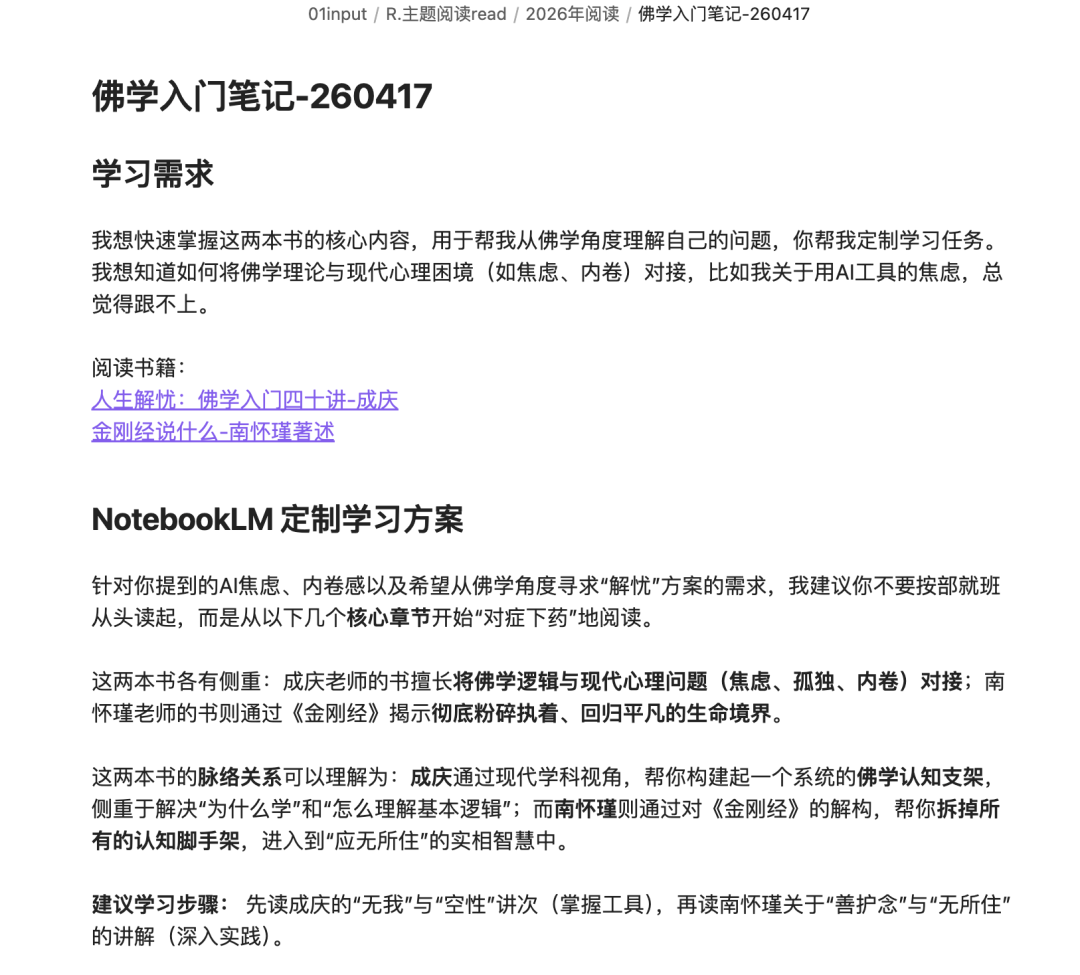
第一步,让 NotebookLM 当我的老师。
我把准备读的书丢给 NotebookLM,说“AI 变化太快,总感觉跟不上她进化速度了”,她会根据我的需求定制阅读计划。
先厘清 AI 焦虑的本质(先读缘起、无常、三心不可得这几章)、调整应对 AI 心态(理解善护念、无所住是什么)、实践定力方法(如何禅修、破除我执)。
把 AI 当因材施教、量身定制的老师。
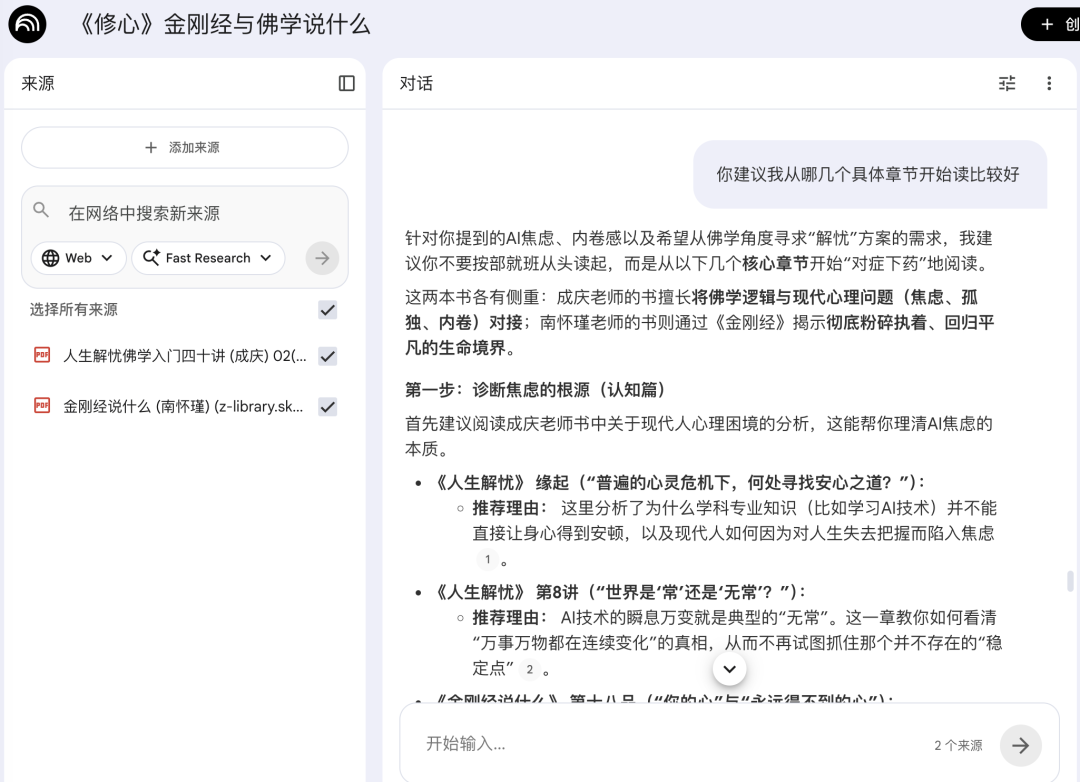
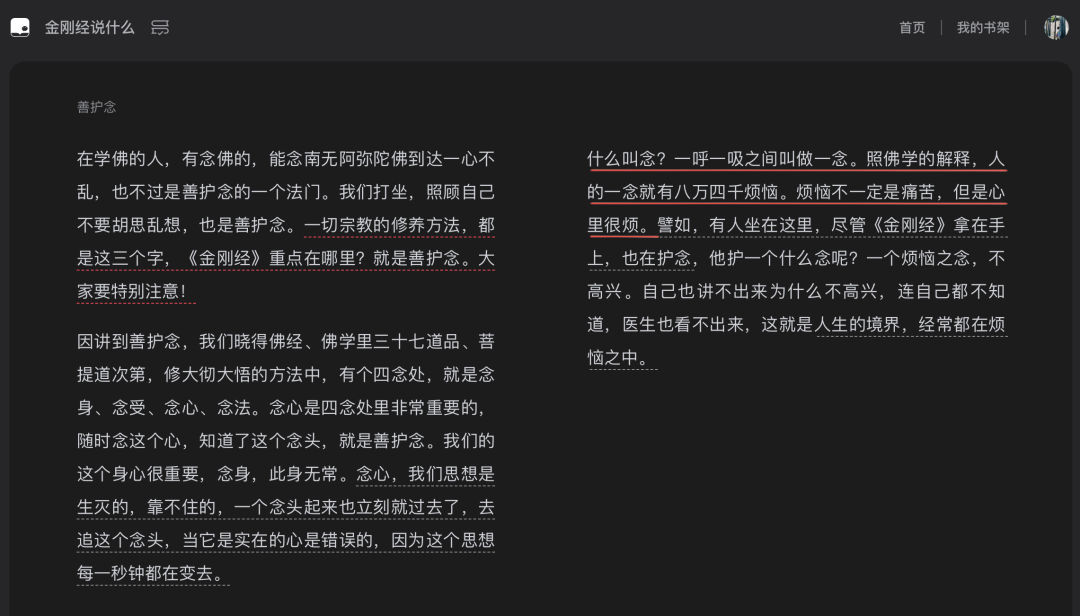
第二步,回到原文边读边写。
按照推荐章节,回到微信读书原文,遇到有启发的地方就划线,写下当下的想法。
文字在退一步,给我们读者思考的空间,让我们能代入自己的经验去检验。
遇到某句话有感受,就马上划线写个评论。我管这叫“洋葱式读书法”🧅,边读边写自己的想法,一层层剥开。
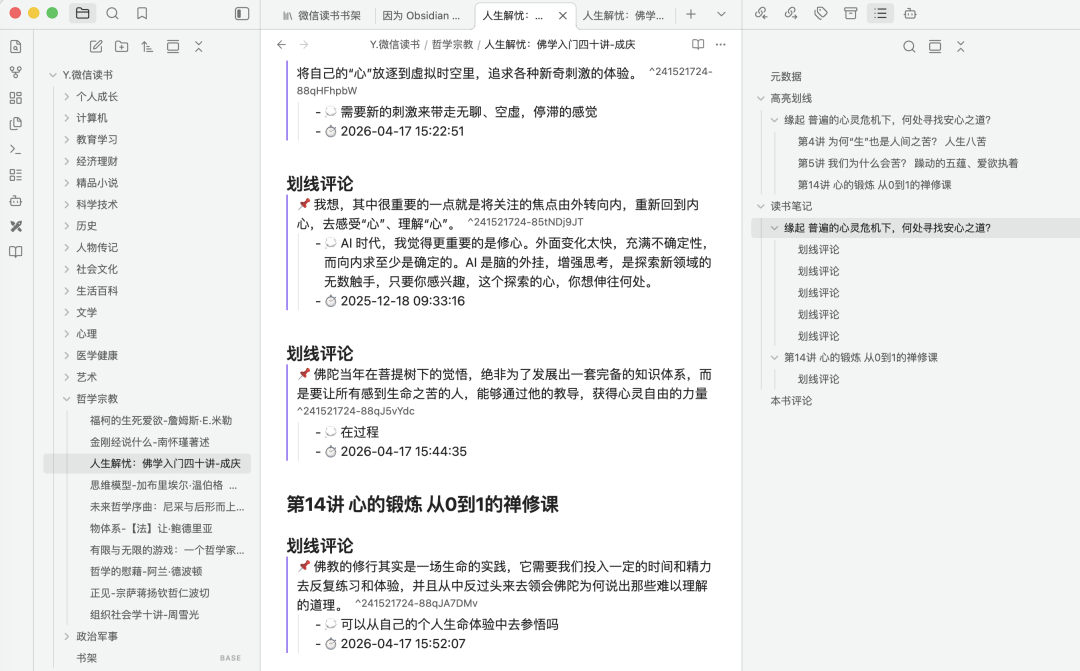
第三步,同步到 Obsidian。
再通过 Weread 这个插件把划线和想法同步到本地,且会按图书分类帮我归类好。
把这两本书的阅读碎片整理到一个主题笔记里,比如 佛学入门笔记-260417。随着时间推移,这个笔记会不断生长。
NotebookLM 不是替我读书,而是帮我规划先读什么,而 Obsidian 则将我读到的感受记录下来,慢慢发芽🌱。
他山之石,产生复利
读书对我来说是“他山之石”——借别人的视角理解世界,最终还是要处理自己的问题。
关键不是读了多少本书,而是这些书能不能产生复利——这本书的哪个视角、哪个框架,能在什么时候被我的思考和创作调用?
换句话说,收集的不是书,是视角。
所以我的主题阅读书架,没有按图书分类,而是按“理解维度”来组织:
社会理论 帮我理解外部世界——看清自己处在什么社会结构中,有着怎样的共性问题。
数据分析 帮我理解抽象逻辑——用数据思维思考,把模糊的问题变成可操作的方案。
灵性修行 帮我理解内心世界——教我如何和焦虑相处,接纳自己。
乱中有序,按需取用。电子书架和数字衣橱一样,不是为了整齐,是为了能用。

写在最后
回到问题:AI 时代,阅读还有什么意义?
阅读不是为了获取答案,而是捕捉自己。
AI 可以给你标准答案,但她无法告诉你,哪句话会让你心头一震,哪个视角让你豁然开朗。
只有你自己知道,哪些碎片属于你,哪些感受需要被捕捉和记录。
Obsidian 让我重新爱上阅读,让我看到那些散落的碎片,正在慢慢拼出我自己的形状。
Original link: https://mp.weixin.qq.com/s/CYsfTNMkce2RNSRFabHAIw
I haven't touched a book in a long time.
In the AI era, answers are readily available, making me question: what is the point of reading?
No matter how many books I read, or how many truths I listen to, there's always a gap between knowing and doing.
How do I bridge that gap? By feeling, observing, and seeing myself.
Reading text teaches us how to use language to capture vague sensations. Once you can accurately describe them, you gain the ability to process them.
Good thinking is good feeling; everyone is a library of emotions.
What are we really reading when we read a book?
Sorry, I'm going to say "yourself" again. It sounds cliché, but if not for understanding oneself, what is the purpose of reading?
The most valuable data source is yourself.
Rather than reading the book, we're reading the fragments.
Imagine entering a topic like an octopus extending its tentacles, grabbing hold of the fragments of inspiration that resonate with you. These fragments come together, slowly filling you up.
That's the "soulful" feeling reading gives me.
Sometimes I feel hollow, and text teaches me how to capture those elusive emotions with words. Writing them down alleviates some of the gloom.
Using NotebookLM + Obsidian for Reading
Obsidian is a "less is more" product. It's based on markdown, features a clean interface, and supports AI plugins — most importantly, it returns data control to the user.
I mainly use WeChat Reader, but Obsidian has a plugin called Weread installed by 140,000 people, allowing for one-click synchronization of all read books, highlights, and comments to my local drive.
One type of data is structured: AI organizes basic info about each book — start date, duration, progress, number of highlights, and comments.
By updating reading data via scripts and leveraging DIG exploratory analysis skills, I can generate instant reading reports and receive recommendations.
The other type is unstructured text data — how to connect the dots from fragments. This is Obsidian's forte: linking scattered ideas into coherent structures and relationships. And AI can help with that, too.
Listening to Cheng Qing's interviews — his journey from electrical engineering to financial media, history research, and Buddhist dissemination — made me contemplate using Buddhism to find peace.
Previously, I might have picked up a few入門 books, read them cover to cover, only to forget the intent.
But my current approach is different:
Step 1: Using NotebookLM as my instructor.
I feed the book into NotebookLM and explain my concerns (e.g., "I can't keep up with AI's evolution"). It tailors a reading plan for me, clarifying the nature of AI anxiety, adjusting my mindset, and suggesting practices for mental stability.
It's like having a personalized tutor.
Based on the recommended chapters, I go back to WeChat Reader. Whenever I find an insight, I highlight it and write a comment — my immediate reflex.
I call this the "onion method": peeling back layers by reading and writing simultaneously.
Step 3: Synchronizing to Obsidian.
I then compile these reading fragments into a themed note (e.g., "Buddhism Starter Pack - 260417"). Over time, this note grows into a rich resource.
NotebookLM doesn't read for me; it plans what to read. Obsidian preserves the resulting reflections, allowing them to germinate over time.
Reading serves as a "stone from another mountain" — borrowing others' views to understand the world, while ultimately solving my own problems.
The goal isn't to read more; it's to generate compound interest — how can the perspectives from this book be leveraged in my future thinking and creations?
In short, I'm collecting not books, but viewpoints.
My thematic bookshelf is organized by "understanding dimensions": - Social theory: To grasp the external world and my place in it. - Data analysis: To think logically and solve problems quantitatively. - Spiritual practice: To manage inner anxiety and accept myself.
Organized chaos, usable on demand. A digital bookshelf should be functional, not merely tidy.
Final Thoughts
Answering the original question: In the AI era, what is the point of reading?
Reading is about capturing yourself, not finding answers.
AI offers standard responses, but it cannot feel the emotional resonance of a line of text or the aha moment from a new perspective.
Obsidian has reignited my love for reading, showing me how these scattered fragments are slowly forming my unique identity.
Back to the question: What is the meaning of reading in the AI era?
Reading is not about obtaining answers, but about capturing oneself.
AI can give you standard answers, but she cannot tell you which phrase will stir your heart or which perspective will enlighten you.
Only you know which fragments belong to you and which feelings need to be captured and recorded.
Obsidian has made me fall in love with reading again, allowing me to see how those scattered fragments are slowly piecing together my own shape.