
原文链接:https://mp.weixin.qq.com/s/2_l1VuaEXECXw7pYh74ZDg
一个做全景相机起家的公司,往无线麦克风里塞了一块E-Ink墨水屏——但E-Ink只是Mic Pro最表面的记忆点,真正值得聊的是这颗小圆饼背后的整套思路。

"直连"才是胜负手
用过无线麦的人大概都经历过:开机、配对、等信号、调增益,一通走完,被采访的人表情都僵了。DJIMic能在创作者圈子里铺开,很大程度上靠的是OsmoAudio那套 "插上就能用"的直连做法 ——免配对、免蓝牙、开机即录。
Mic Pro主打的 "Direct Connect"走的是同一个思路 :在自家相机和云台之间开一条专属通道,不走蓝牙协议(蓝牙传音频的码率和延迟到现在也没真正解决),不需要外接适配器,直接跟Insta360设备握手。潜台词不难读:你买了我的相机,配套麦克风 大概率会选我的 ;你用了我的麦克风,想换相机就得掂量换的代价。DJI用这套方式把一批创作者留在了自家那套设备里,Insta360现在也走上了这条路。
反过来说, "直连"是为自家设备定制的协议 。如果你主力机是Sony或松下的微单,这套直连大概率用不上,Mic Pro跟普通无线麦没什么两样。
三振膜加NPU,堆料方向明确
-
三振膜阵列拾音 。在无线领夹麦里并不常见,好处很直接: 拾音范围更广 ,指向性更可控,理论上在嘈杂环境下人声和噪声分得更开。 -
靠NPU跑的AI降噪 。传统降噪大多靠DSP做频域处理,能压噪但容易"误伤"人声细节。 NPU用神经网络模型区分人声和环境噪声 ,理论上分得更准。但实际效果取决于Insta360的模型训练水平,以及这么小的机身里算力和功耗能不能平衡好。 -
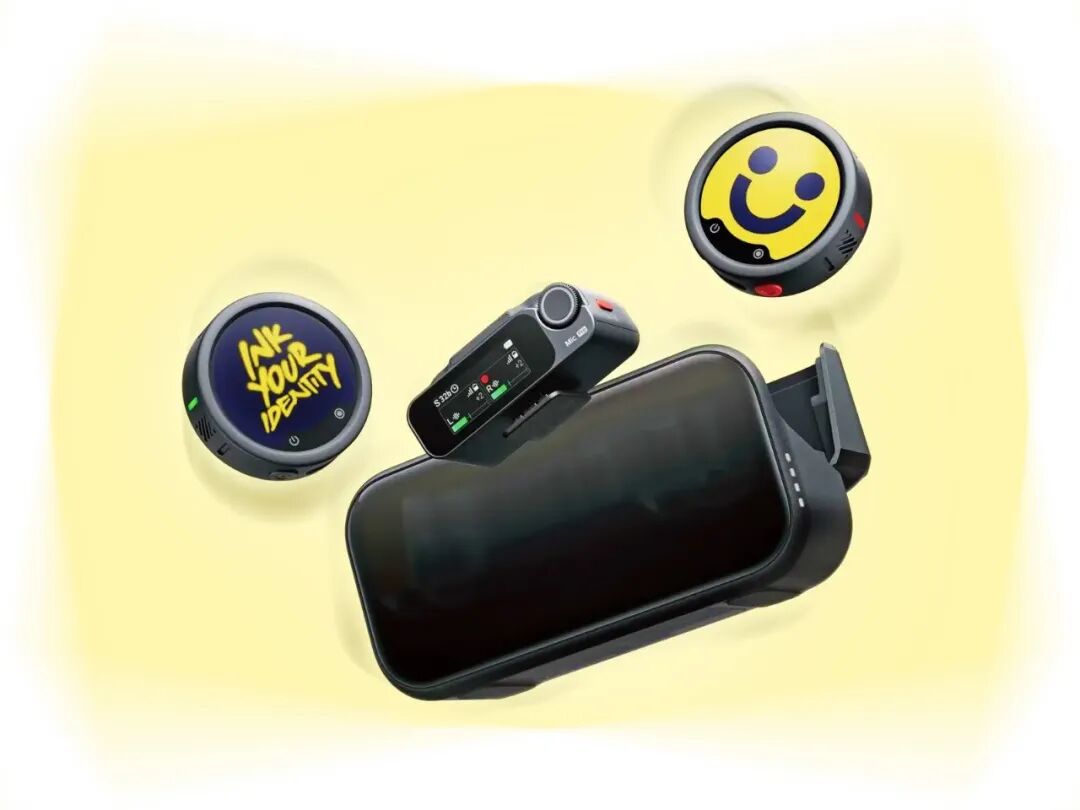
接收器的屏幕 。从产品图来看,接收端配了一块彩色屏, 实时显示左右声道电平 、信号强度、录制状态,不用录完才发现声音爆了。
E-Ink屏:把麦克风变成广告位
出镜博主胸前别着一个黑色小方块,在画面里始终是个异物。如果这个"异物"能显示个人Logo、赞助商标识甚至表情包,它就 从"不得不戴的收音工具"变成了能用起来的画面道具 。
选E-Ink而不是OLED,道理上说得通: 墨水屏显示静态画面几乎不耗电 ,断电也能维持显示,不给麦克风电池加负担。当然E-Ink的老问题也跑不掉—— 刷新率低 ,只能显示静态内容。另外领夹麦免不了磕碰,多一块屏就多一个怕摔的部件,长期耐不耐用是个问号。
音频是最后一块拼图
Insta360这两年的扩张路线有迹可循:从全景相机到运动相机,再到Luna Ultra这样带徕卡光学认证的云台相机(1英寸传感器、f/1.8光圈、iLOG、10-bit色深,对标的大概率是DJI Osmo Pocket系列),现在又切入音频。当相机和麦克风可以Direct Connect直接连通, 手里拿着的就不再是几个分开卖的硬件 ,而是一整套拍摄装备。
目前这两款产品都还没正式推出,定价和上市时间未公布, 业内普遍推测在2026年6月前后 。在此之前,Insta360音频这块只有一款Mic Air在售。
视频画质卷到今天,各家参数差距已经很难靠纸面规格拉开,接下来比的是谁能把 "拍摄+收音+后期"这套流程跑通得更顺 。至于能不能从DJI手里切走一部分用户,得看正式上市后的定价和实际音频表现。#Insta360 #影石MicPro #麦克风 #墨水屏 #收音 #拍视频
Original link: https://mp.weixin.qq.com/s/2_l1VuaEXECXw7pYh74ZDg
A company that started with panoramic cameras has now packed an E-Ink display into a wireless microphone. But the E-Ink screen is only the most visible feature of the Mic Pro. The real story lies in the underlying design and strategy.
Direct Connect is the Game-Changer
Anyone who has used a wireless microphone has likely experienced the frustration of turning it on, waiting for pairing, and adjusting the gain levels. During this setup process, the interviewee's expression often becomes stiff. The DJI Mic gained popularity in the creator community largely due to its Osmo Audio “plug-and-play” direct connection approach. By eliminating the need for pairing and bypassing Bluetooth, it allows for instant recording.
The Mic Pro's "Direct Connect" feature follows this same philosophy. It establishes a dedicated channel between the microphone and Insta360 cameras or gimbals, bypassing the Bluetooth protocol (which still struggles with audio bitrate and latency). There is no need for external adapters; the devices handshake directly. The implication is clear: if you buy their camera, you're more likely to buy their microphone, and vice versa. DJI used this strategy to lock in creators, and Insta360 is now following suit.
However, this "direct connection" is a proprietary protocol specific to their own devices. If your main camera is a Sony or Panasonic mirrorless, this direct-connect feature is likely unusable, rendering the Mic Pro no different from a standard wireless microphone.
Triple-Diaphragm Array and NPU: Targeted Hardware Upgrades
The triple-diaphragm array is a departure from the single-capsule design typically seen in lavalier microphones. This setup provides a wider pickup range and more precise directionality, effectively separating the subject's voice from background noise in crowded environments.
For noise cancellation, the mic relies on a Neural Processing Unit (NPU) running AI algorithms. This is a significant upgrade from traditional Digital Signal Processing (DSP) methods, which often "bleed" noise into the voice channel. The NPU uses a neural network to distinguish between the speaker's voice and ambient noise, promising cleaner audio. The effectiveness of this technology depends on the quality of Insta360's training data and the balance between the chip's computational power and energy consumption.
The receiver unit also features a color display that shows real-time signal levels, battery status, and recording indicators, allowing for immediate adjustments without needing to review the footage later.
E-Ink Screen: Turning the Microphone into a Billboard
A black box clipped to a presenter's lapel is often an unsightly distraction in the frame. The addition of an E-Ink display transforms this "necessary evil" into a functional marketing tool. By displaying logos, sponsor ads, or even custom graphics, the microphone becomes an active element of the visual narrative rather than just a piece of gear.
The choice of E-Ink over OLED is logical for this application. E-Ink consumes almost no power to maintain a static image and retains its display even when the battery is dead, unlike LCD or OLED screens which drain power continuously. However, E-Ink is not without its drawbacks; it has a low refresh rate and is limited to static content. Additionally, the added display makes the device more fragile and susceptible to damage from drops or bumps.
Audio as the Final Piece of the Puzzle
Insta360's expansion strategy has been clear: from specialized panoramic cameras to consumer-friendly action cameras, and now into sophisticated "Leica Optics" gimbals (the Luna Ultra). Entering the audio market with the Mic Pro is a logical next step. When the camera and microphone are linked via Direct Connect, the user is no longer simply buying individual parts but is investing in a complete ecosystem solution.
The Mic Pro is currently in development. Based on industry speculation, a release date around June 2026 is anticipated, with pricing yet to be announced. Until then, the only audio solution available from Insta360 is the Mic Air.
In the competitive world of content creation, where image quality has reached a saturation point, the efficiency of the "shoot-and-edit" workflow becomes the deciding factor. Insta360's ability to integrate seamless audio recording with high-definition video will determine if they can capture market share from established players like DJI.