
原文链接:https://mp.weixin.qq.com/s/YJ0fgKG12_-ZIbLiZiKeGA

-
6英寸Vizplex屏 -
800×600 -
167ppi -
4级灰度 -
10MB内存(支持Memory Stick记忆棒扩展)。

-
6英寸屏 -
167ppi -
256MB存储 -
侧边翻页键 -
首发价399美元。
-
5英寸屏 -
8阶灰度 -
170g重 -
支持TXT、PDF、HTML。

-
6英寸屏 -
搭载Linux系统 -
配备电磁笔 -
支持音频播放。
-
6英寸屏 -
1GB存储 -
200g重 -
支持SD卡扩展至4GB。

-
6.8英寸屏 -
265ppi -
8GB存储 -
899元 -
配备物理翻页键。
-
10.3英寸Carta屏 -
226ppi -
350g重 -
2048级压感电磁笔。
-
13.3英寸屏 -
HDMI连接 -
支持Windows、macOS系统。
-
10.3英寸柔性屏 -
4096级压感 -
双麦克风阵列 -
安卓7.1系统。

-
10.3英寸Mobius柔性屏 -
226ppi -
2GB内存 -
32GB存储 -
安卓系统。
-
10.3英寸屏 -
36级前光 -
支持安卓全应用安装 -
4096级压感。
Original link: https://mp.weixin.qq.com/s/YJ0fgKG12_-ZIbLiZiKeGA
Recently, the tech world has been buzzing about Apple’s 50th anniversary. Fifty years for a tech company is both old and young.
But many have forgotten that in another corner of the digital world, a technology has also quietly existed for over two decades.
It lacks the dazzle of a Retina display, the frenzy of self-developed chips, and was even scorned at its birth as “primitive, ludicrous, and without future.”
That is the e-ink screen.
Using Apple’s 50th anniversary as a pretext, I’d like to chat with you about these e-ink pioneers who changed our reading habits. (Steve Jobs famously declared that the Kindle would fail, which is the origin of this article.)
Today’s e-ink readers are proficient in color, high refresh, and both reading and writing.
But in their original forms, they harbored a near-obsessive idealism.
In this article, we’ll see more pictures and read fewer words. (It was quite a hassle to gather all these images.)
Let’s take a look at what these “ancestors” that fundamentally altered human reading habits looked like in their early days.
First Stage: Pioneers — From Laboratory to Commercialization
1
The Global Category Creator: The Grandfather of E-ink
Release Date: March 2004 (Japan exclusive)
Hardcore Detail: To make it feel like a book, Sony engineers obsessively kept its weight to 190g — precisely the average weight of a Japanese paperback at the time. They even added a flipping button on the left to accommodate right-to-left page turning typical in Japanese books.
Drawbacks: Its DRM (Digital Rights Management) was extremely stringent. Given Japan’s high sensitivity to digital copyrights, books were “rented” rather than bought, expiring after 60 days. This “self-burning” model, combined with high prices, led to its discontinuation by 2007.
Core Specs:
6-inch Vizplex screen
800×600 resolution
167 ppi
4 shades of gray
10MB internal memory (expandable with Memory Stick)
2
The Global Popularizer: “Dead End” in Steve Jobs’s Eyes
Before the Kindle launched, Steve Jobs scoffed: “It doesn’t matter if the product is good or not; people have stopped reading.” He even mocked its appearance. Yet, the Kindle 1 sold out within 5.5 hours and was backordered for 5 months.
Release Date: November 2007
Core Significance: It established the integration of hardware and content.
Hardcore Detail: This was the most mechanically complex Kindle — with a scrolling wheel and a full QWERTY keyboard. Crucially, it had Whispernet (via EV-DO 3G), allowing book purchases without connecting to a computer, which was magical in the pre-WiFi era.
Core Specs:
6-inch screen
167 ppi
256 MB storage
Side-mounted flipping buttons
Launch price: $399
Second Stage: Domestic Emergence — Breaking the Overseas Monopoly
3
The Creator of Domestic E-paper: From Lab to Mobile Library
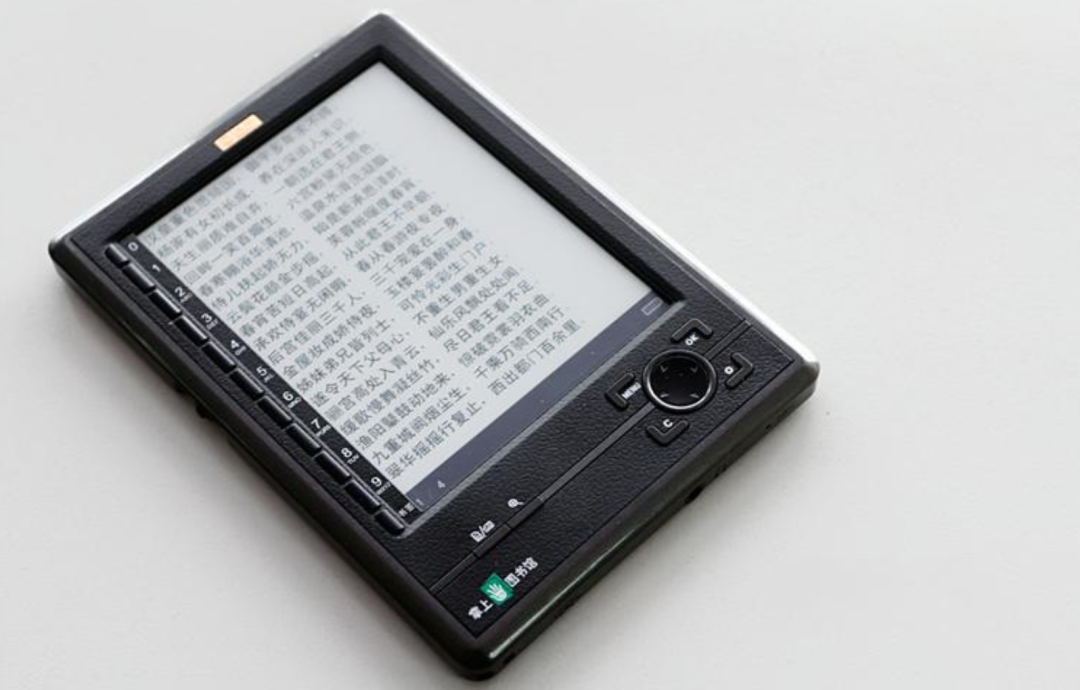
In 2008, while Kindle was sweeping the US, Hanwang introduced the N510.
Core Significance: The first commercial domestic e-ink device.
Hardcore Detail: Hanwang smartly preloaded thousands of licensed books, knowing Chinese users weren’t accustomed to buying e-books. This strategy, combined with their OCR and handwriting tech, helped them break through in a content-poor market.
Core Specs:
5-inch screen
8-level grayscale
170 g weight
Supports TXT, PDF, HTML
4
Benchmark for Open Systems: The Origin of Geek DNA
If the Kindle is a closed orchard, Boox aimed to be an open forest from day one.
Core Significance: The first domestic device emphasizing format compatibility and open systems.
Hardcore Detail: It featured a white front panel with a silver alloy back, introduced electromagnetic writing support, and came with a dedicated pen. This “anything-reads, anything-writes, anything-installs” ethos is the essence of Boox’s geek identity.
Core Specs:
6-inch screen
Linux-based
Includes stylus
Audio playback supported
Third Stage: Diversification — From Reading to Productivity
5
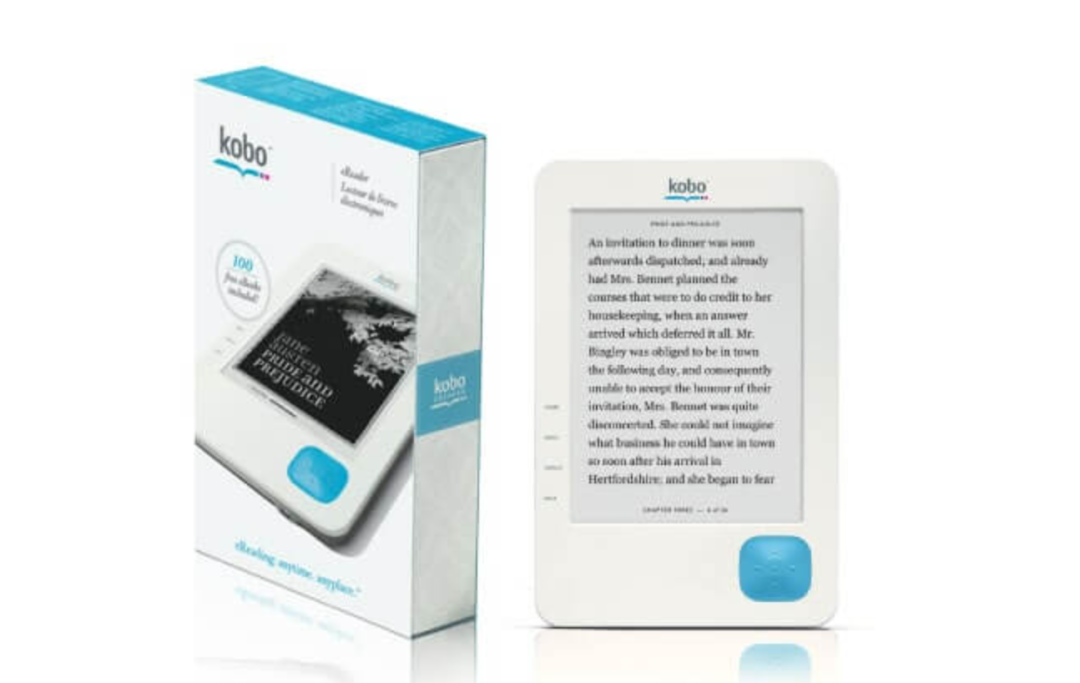
The Second-Largest Global Brand: The “Price Assassin” from Canada
When the Kindle sold for $295, Kobo launched at $149.
Core Significance: Kindle’s most enduring competitor globally.
Hardcore Detail: The back had a unique quilted texture for better grip. It natively supported EPUB, unlike Kindle which required conversion. Despite lacking WiFi (requiring PC connection for books), its price point won over Europe and Australia.
Core Specs:
6-inch screen
1 GB storage
200 g weight
SD card expansion up to 4 GB
6
Benchmark for Domestic Closed Systems: The “Formatting Wizard” for Chinese
Three years after Kindle entered China, Zhangyue (iReader) launched a competitor.
Core Significance: The first domestic device to rival Kindle’s ecosystem for Chinese content.
Hardcore Detail: Zhangyue optimized Chinese typesetting to fix issues like misaligned lines and poor fonts common on the Kindle, leveraging its own rendering engine.
Core Specs:
6.8-inch screen
265 ppi
8 GB storage
RMB 899
Physical flipping buttons
7
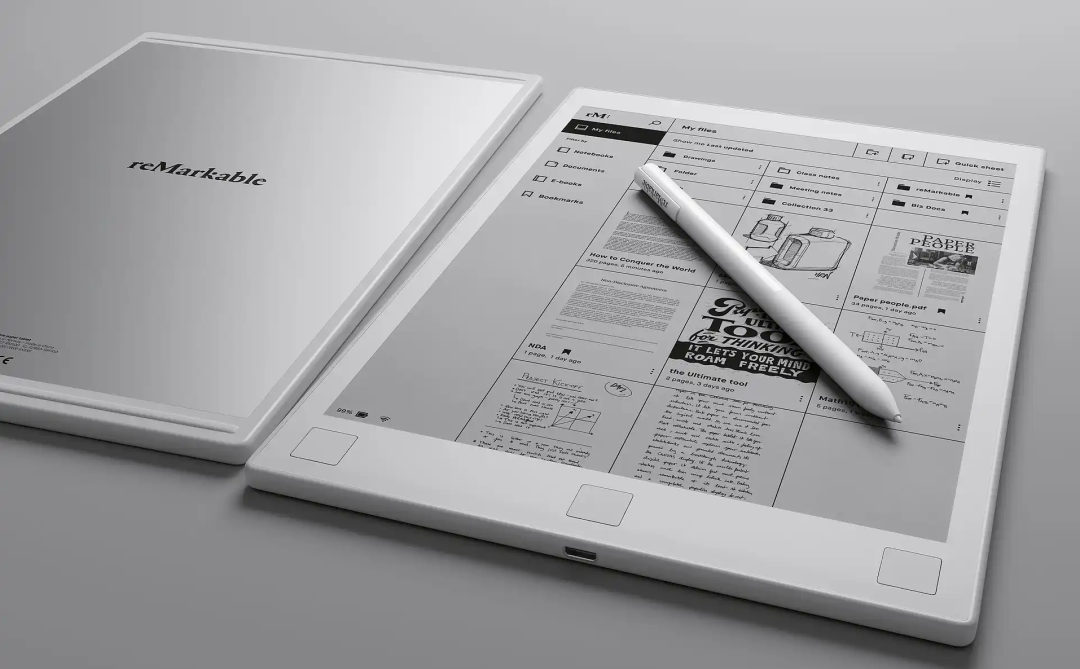
Benchmark for Writing E-paper: The “Paper Revival” of Norway
Launched via crowdfunding, it proved e-ink isn’t just for reading.
Core Significance: Created the e-ink tablet category.
Hardcore Detail: The founder is a paper enthusiast; the device’s low latency and frosted surface mimic paper texture. Stripped of entertainment features like browsers, it’s designed solely for focused work. (It remains a closed system with limited features.)
Core Specs:
10.3-inch Carta screen
226 ppi
350 g weight
2048 pressure-sensitive stylus
Fourth Stage: Technological Reconstruction — Entering the Modern Battlefield
8
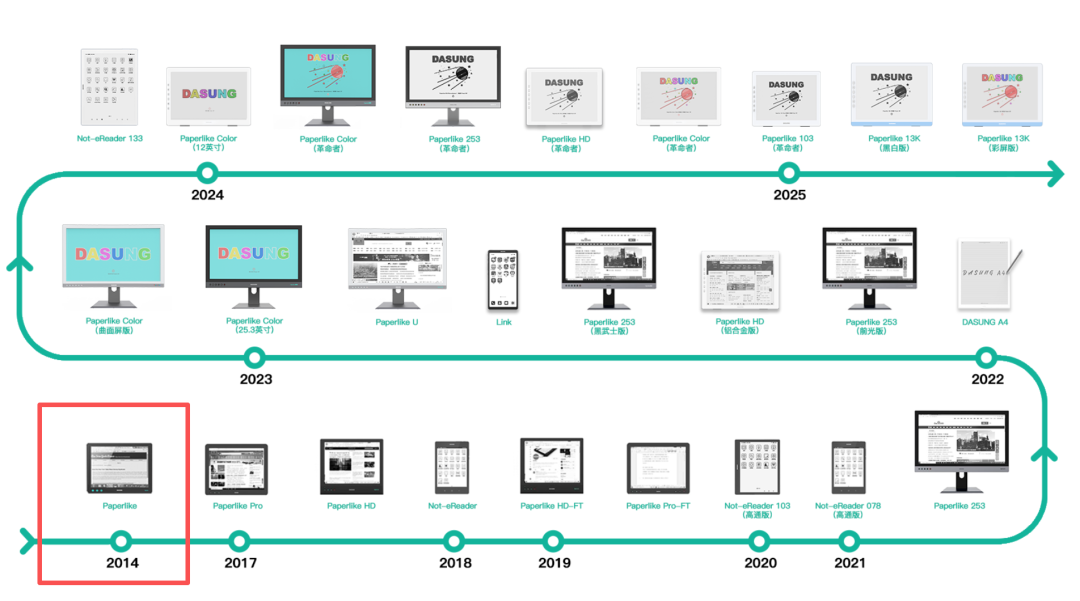
Pioneer of High Refresh: The Madman Who Made E-ink “Move”
Before this, no one believed e-ink could handle video.
Core Significance: First commercial e-ink monitor.
Hardcore Detail: To combat slow refresh and black flashes, DASUNG developed Turbo technology. While crude, it allowed smooth mouse movements and even video playback, moving e-ink from static reading to dynamic computing.
(Note: The image shows the full DASUNG lineup, including the early Paperlike in the bottom-left red box, which served as a stand-in for the 2014 prototype since a direct image wasn’t found.)
Core Specs:
13.3-inch screen
HDMI connection
Supports Windows and macOS
9
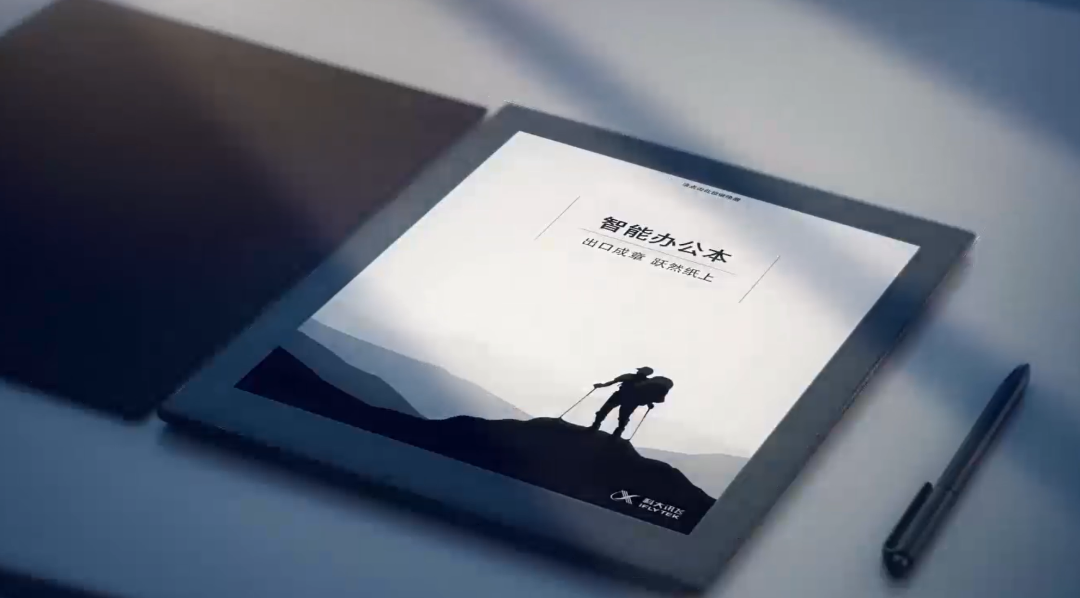
Creator of AI Smart Notebooks: The Office Worker’s “Meeting Artifact”
iFLYTEK entered the fray, placing e-ink in executive briefcases.
Core Significance: Defined the “AI Voice + E-ink” office scenario.
Hardcore Detail: It excels in multimodal recording: while you write notes, it simultaneously records and transcribes audio via iFLYTEK’s AI. This “record + transcribe + write” sync makes it a favorite among corporate leaders. (Highly recommended for gifts.)
Core Specs:
10.3-inch flexible screen
4096 pressure levels
Dual-microphone array
Android 7.1 system
10
Xiaomi’s Ecosystem Warrior: The “Price Butcher” of Large Screens
Before 2019, 10.3-inch e-ink screens cost over RMB 4000. Then came Moaan.
Core Significance: Drastically lowered the price barrier for large-screen writing tablets.
Hardcore Detail: With a pure white design appealing to Xiaomi fans, it offered strong value at RMB 2499 with excellent integration with the Duokan reader app. It democratized large-screen e-ink for students and young professionals. (Moaan continues to undercut competitors.)
Core Specs:
10.3-inch Mobius flexible screen
226 ppi
2 GB RAM
32 GB storage
Android system
11
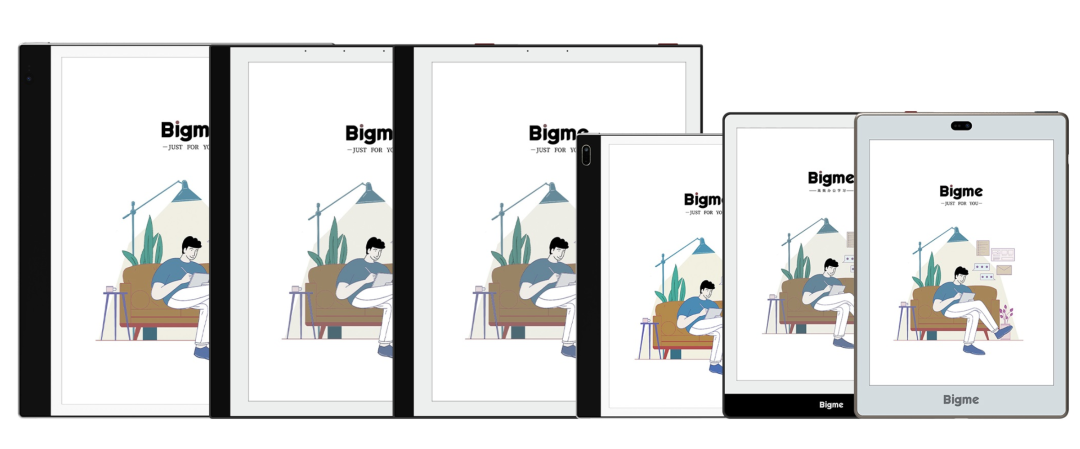
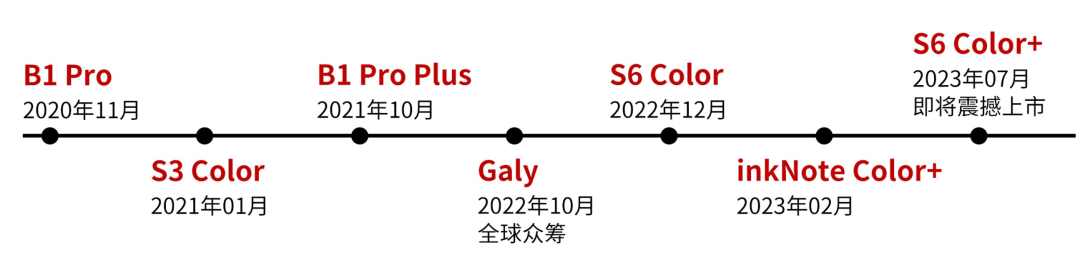
Creator of Color E-ink Notebooks: Ushering in the “Color Era”
E-ink world is no longer black and white.
Core Significance: Pioneer in the commercial color e-ink space.
Hardcore Detail: Bigme was one of the first to commercialize color e-ink, even though early colors were muted. It demonstrated the potential for color comics and annotated PDFs, running on a fully open Android system.
Core Specs:
10.3-inch screen
36 levels of front lighting
Supports full Android app installation
4096 pressure levels
Conclusion
Looking back at these e-ink pioneers: they are bulky, under-specced, and monofunctional.
Yet these seemingly flawed attempts ignited the flame of digital reading.
Even if human civilization progresses for another 10,000 years, e-ink will surely rank among the 100 most significant inventions.
For it preserves the last vestiges of focus in a noisy world.
If you still own an old e-ink device, share it in the comments — I’d love to see it.
For buying advice, read: 3 Critical Lines for Choosing an E-ink Device — Ending the "Buy and Regret" Cycle
For beginners, start here: Don't Buy an E-reader Blindly! Essential Knowledge to Save You Money
Finally, echoing Tim Cook on Apple’s anniversary: “The people who are crazy enough to think they can change the world are the ones who do.”