
原文链接:https://mp.weixin.qq.com/s/thcniIulwAlQGG5WLtNkWA
电子纸俗称水墨屏,反射式成像,完全不需要背光源;本文详细解读星闪联盟与电子纸产业联盟共同合作的需求报告。

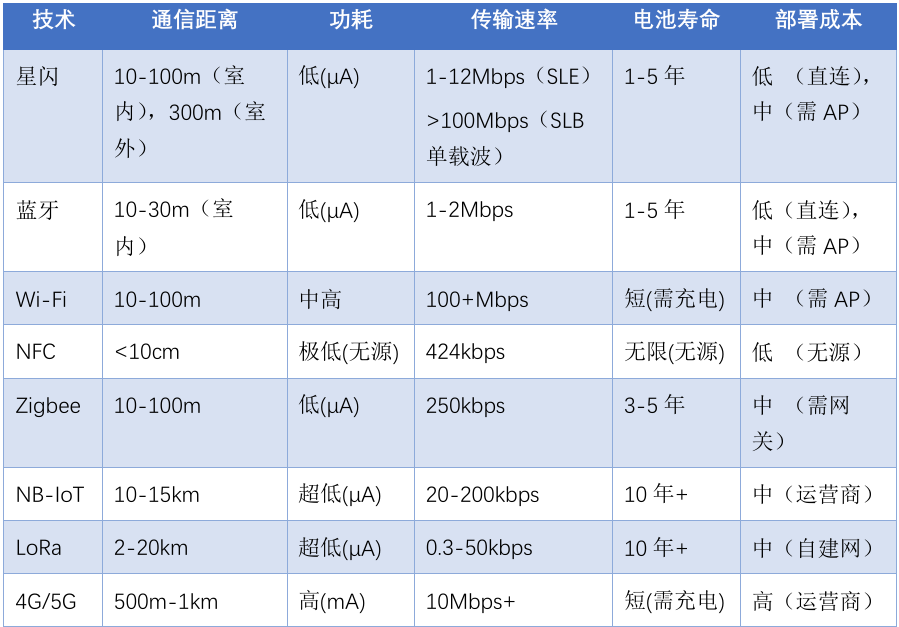
常见的电子水墨屏手机,超市电子标签等等,应用非常广泛,市场前景广阔。水墨屏以极低功耗(<1μA)极大降低维护成本,但是更新水墨屏内容则是核心功能点,业界常用的无线通信技术汇总如下
-
传统的wifi/5G耗电较多,应用场景严重受限;
-
蓝牙/星闪耗电居中,无需组网点对点直连通信,部署最方便;
-
Zigbee/LoRa/NB-IOT耗电最低,但需要网关甚至运营商支持;
2. 星闪优势
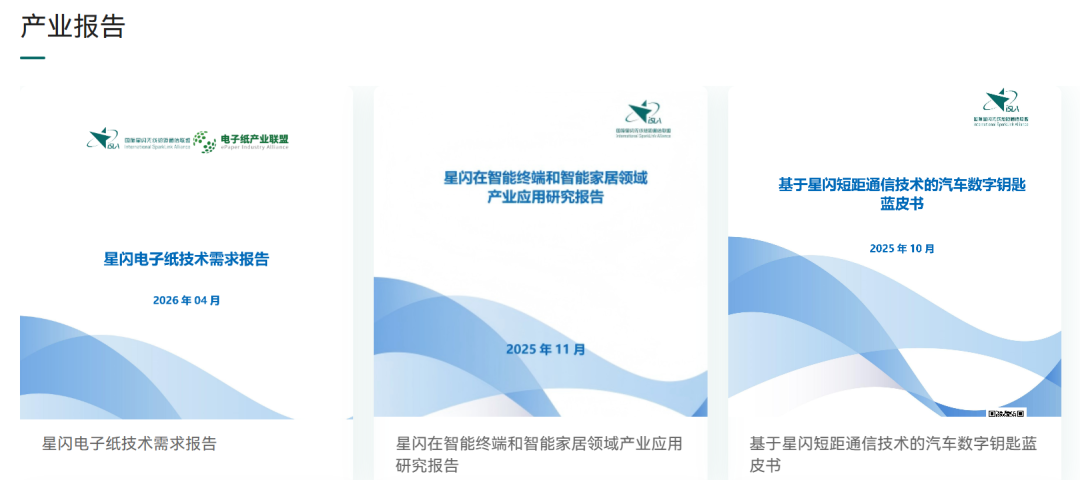
联盟更新的最新产业报告,更多内容下载稀有!免费领!星闪资料包 10+产业联盟已经覆盖智能家居、汽车钥匙、无线电池、智能网联汽车以及无线音频等众多领域。
3. 智能应用场景
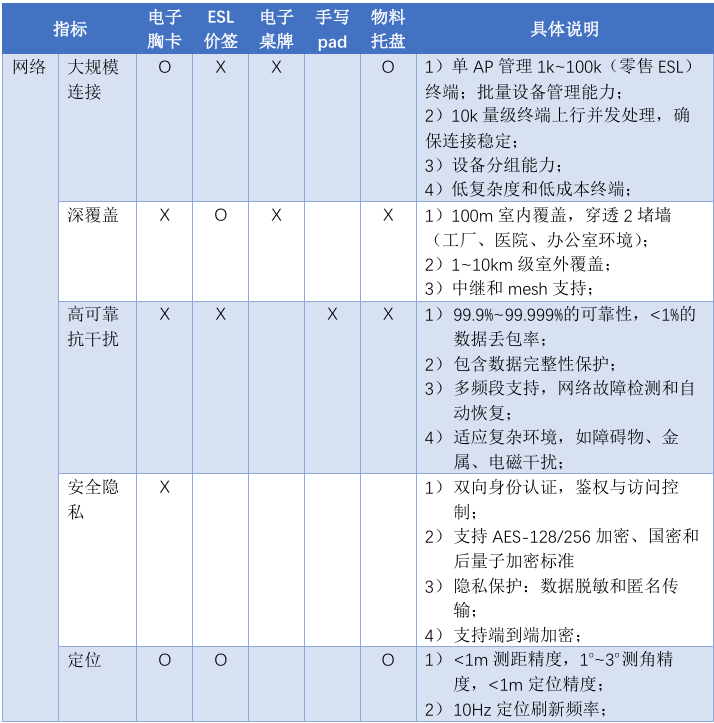
智慧医院场景,BLE在通信距离、功耗、安全性、抗干扰以及有效带宽等方面存在挑战,需要后续版本针对性的解决。
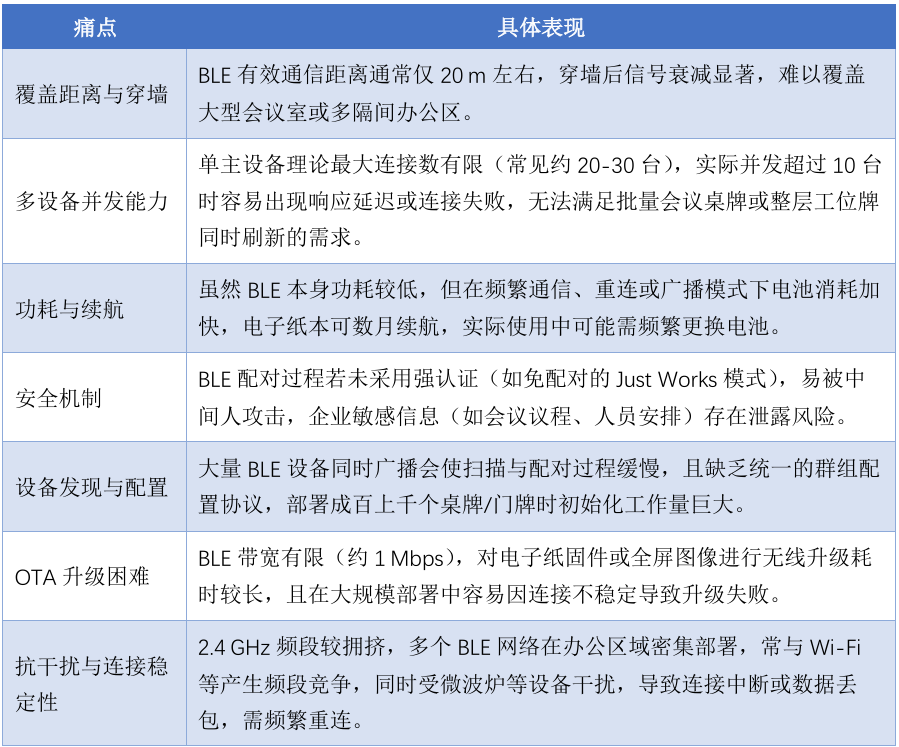
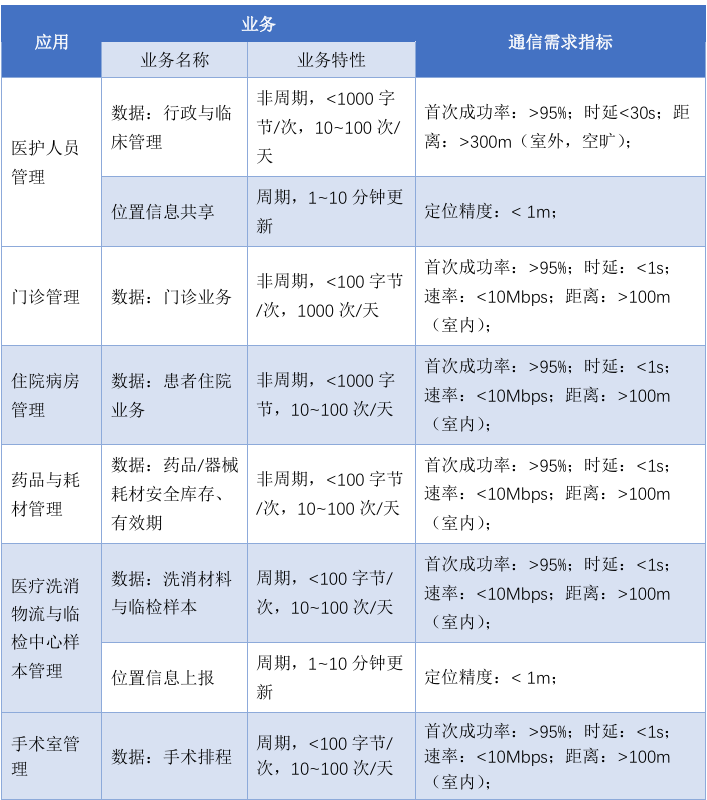
医院具体的业务需求,拆解成软件技术需求如下图,10Mbps以下带宽,大于100米通信距离(注意,室内通信墙体对于信号遮挡和衰减分非常严重,进一步缩短有效通信距离)、定位精度小于1米等。
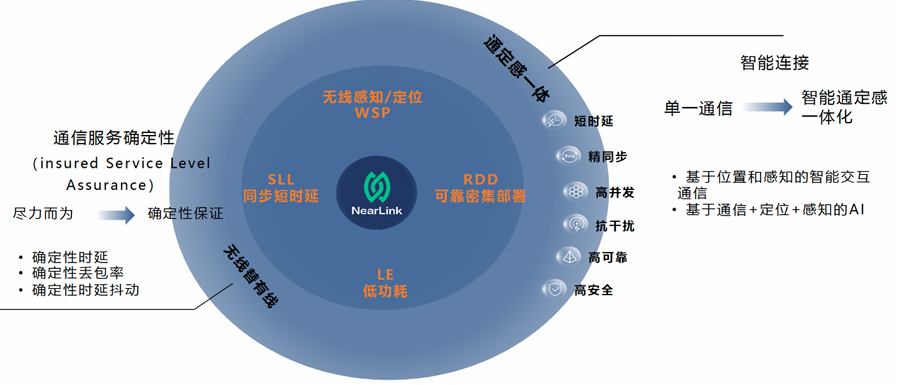
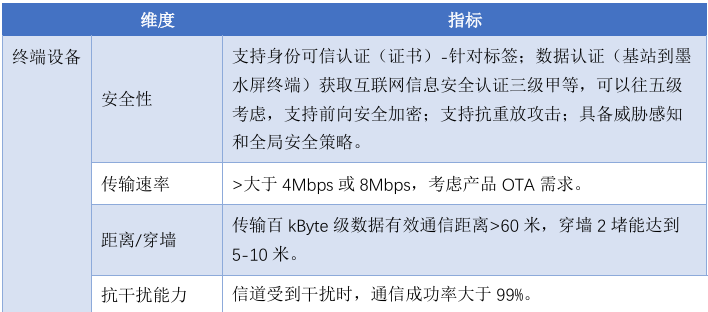
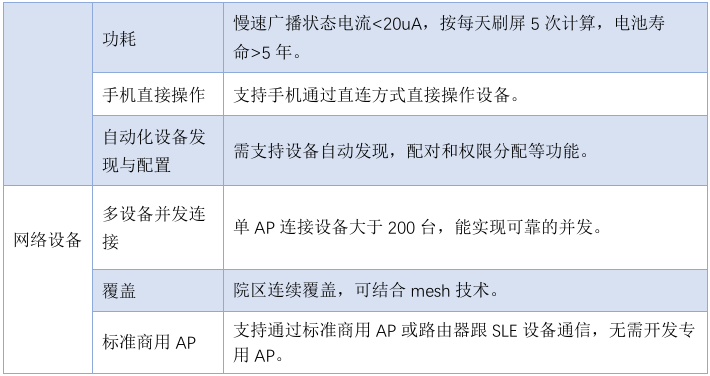
SLE最大带宽支持8Mbps,抗干扰能力强,综合功耗低,
零售业务中,很多超市的货架上,原始的打印价格标签纸清一色的水墨电子屏代替,省去一条条核对,一张张打印的繁琐过程。但随之而来的问题是频繁更新商品信息以及价格内容。
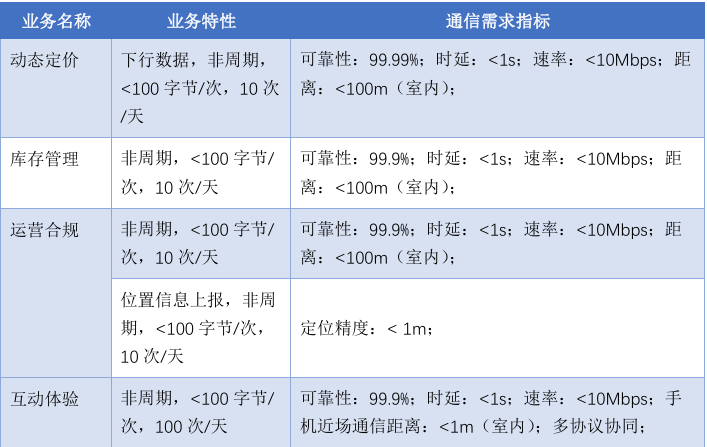
超市中大量的商品种类,大量的电子水墨屏更换成本巨大,因此对功耗要求极为苛刻,以及通信可靠性和安全性都有一定的要求。
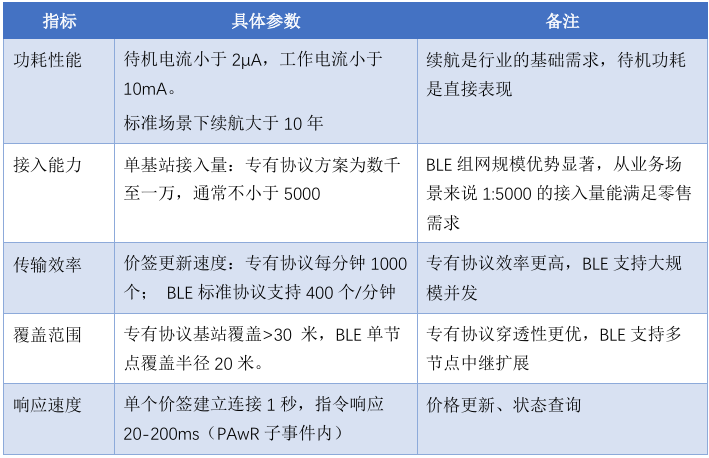
因此遇到的技术瓶颈也显而易见,现有的BLE抗干扰能力差,墨水屏高密度场景下影响会更加突出。另外缺乏成体系的安全防护,需要用户层定制。
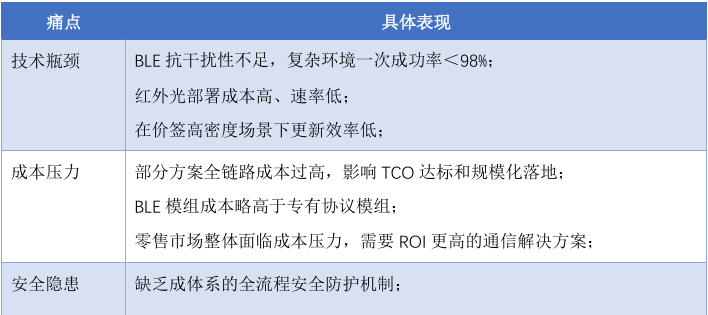
星闪SLE在功耗、时延和安全性发那个面更优,但目前的综合成本略高还需要扩大销量降低成本。
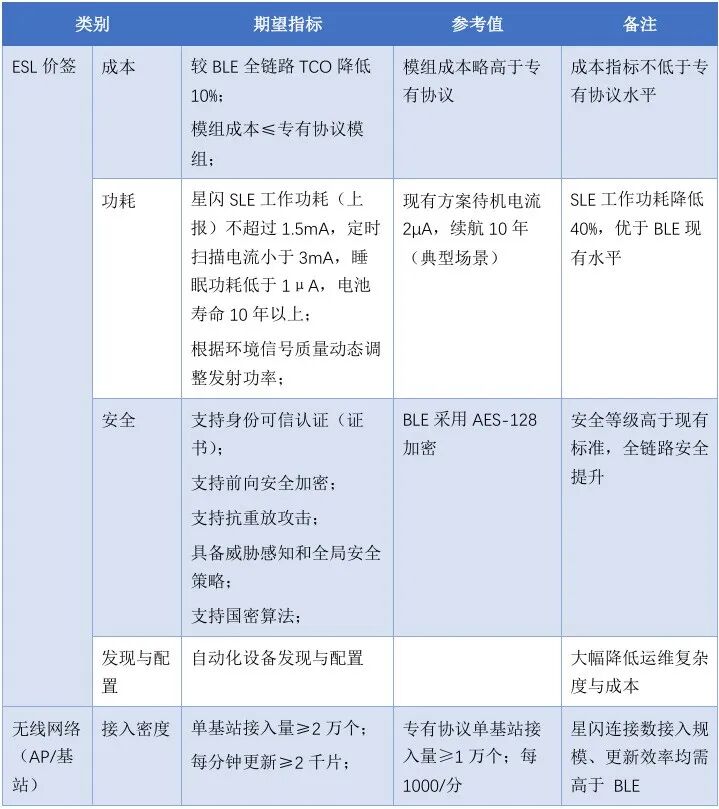
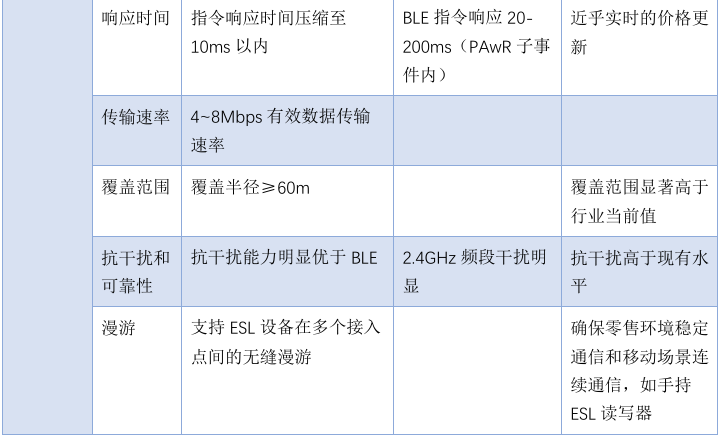
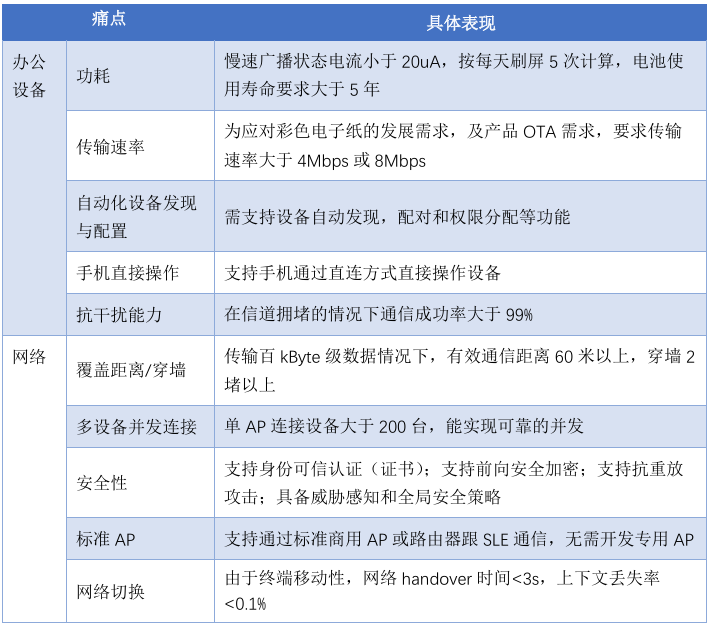
另外在智慧办公场景、智慧工业场景技术、手写设备技术等场景都会有广阔的应用前景。
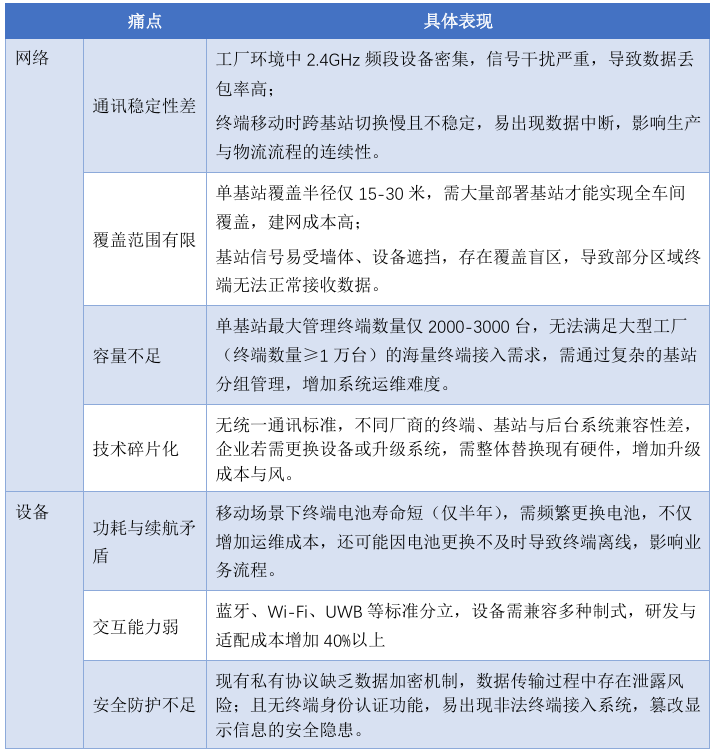
工厂环境复杂,对于抗干扰和接入终端数量有实际刚需,也正是SLE的强项。
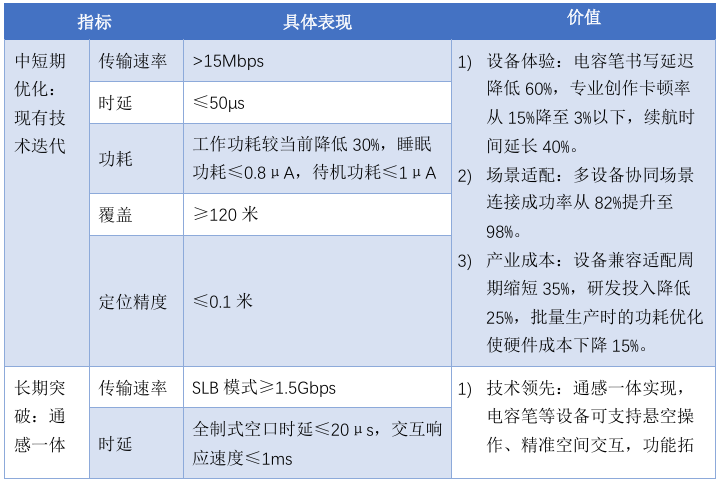
手写笔方面对于时延要求更严格,华为星闪笔已经得到广泛的市场验证;
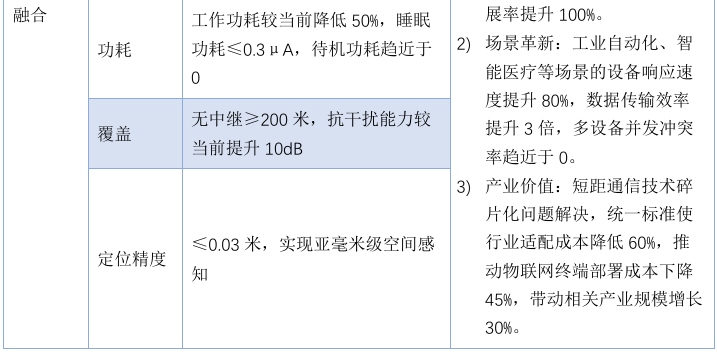
4.未来前景
下载链接:
https://cdn.sparklink.org.cn/files/20260429/5759321e7230539b11702d3c4430e567.pdf
Original link: https://mp.weixin.qq.com/s/thcniIulwAlQGG5WLtNkWA
Welcome to subscribe to the NearLink Collection, Robot Collection, and Bluetooth Collection
1. E-paper Industry
E-paper, commonly known as an ink screen, uses reflective imaging and requires no backlight at all. This article provides a detailed interpretation of the joint cooperation needs report from the NearLink Alliance and the E-paper Industry Alliance.
Common e-ink screen phones, supermarket electronic shelf labels, and other applications are widely used with broad market prospects. The ink screen significantly reduces maintenance costs due to its extremely low power consumption (<1μA), but updating the e-ink screen content is the core functional point. The commonly used wireless communication technologies in the industry are summarized as follows:
Traditional WiFi/5G consumes more power, severely limiting application scenarios;
Bluetooth/NearLink has medium power consumption, enabling convenient point-to-point direct communication without the need for networking;
Zigbee/LoRa/NB-IoT has the lowest power consumption but requires a gateway or even carrier support;
2. NearLink Advantages
The SLE technology in NearLink features low power consumption, low latency, Polar coding for anti-interference, and high reliability, making it highly suitable for electronic display scenarios. Currently, NearLink chip prices are slightly higher than Bluetooth BLE, which is one of the key factors determining the future.
The latest updated industry report by the alliance. For more content, download the rare free NearLink material pack. Over 10 industry alliances have already covered numerous fields such as smart home, car keys, wireless batteries, intelligent connected vehicles, and wireless audio.
3. Smart Application Scenarios
In smart hospital scenarios, BLE faces challenges in communication distance, power consumption, security, anti-interference, and effective bandwidth, requiring targeted solutions in subsequent versions.
Specific hospital business requirements are broken down into software technical requirements as shown in the figure below: bandwidth below 10Mbps, communication distance over 100 meters (note that indoor walls cause severe signal blockage and attenuation, further reducing the effective communication distance), positioning accuracy below 1 meter, etc.
SLE supports a maximum bandwidth of 8Mbps, has strong anti-interference capability, and comprehensive low power consumption.
In retail, many supermarket shelves have had original printed price tag paper wholly replaced by e-ink electronic displays, eliminating the tedious process of checking each item one by one and printing them one by one. However, the accompanying issue is the frequent updating of product information and price content.
Supermarkets have a large variety of products and massive electronic ink screens, leading to huge replacement costs. Therefore, power consumption requirements are extremely strict, and there are certain requirements for communication reliability and security.
The encountered technical bottlenecks are obvious: existing BLE has poor anti-interference capability, which becomes more prominent in high-density ink screen scenarios. Additionally, there is a lack of systematic security protection, requiring user-layer customization.
NearLink SLE performs better in power consumption, latency, and security, but the current comprehensive cost is slightly higher and needs to be reduced by expanding sales volume.
Additionally, there will be broad application prospects in smart office scenarios, smart industrial scenario technologies, handwriting device technologies, and other scenarios.
Factory environments are complex, with practical demands for anti-interference and the number of access terminals, which are exactly the strong points of SLE.
For styluses, latency requirements are even stricter; Huawei's NearLink pen has already received extensive market validation.
4. Future Prospects
Download link:
https://cdn.sparklink.org.cn/files/20260429/5759321e7230539b11702d3c4430e567.pdf