
原文链接:https://mp.weixin.qq.com/s/Yhc488LIpExMoJ2CsVD6YQ

对这就是我准备做的带娃神器,
有了娃之后,才发喂养真的是一大难题,
也许很多人体会不到,
但是我现在经常问的一个问题,就是孩子几点吃的,是不是饿了。
我一开始,尝试用软件解决这个问题,我在前面有提过,
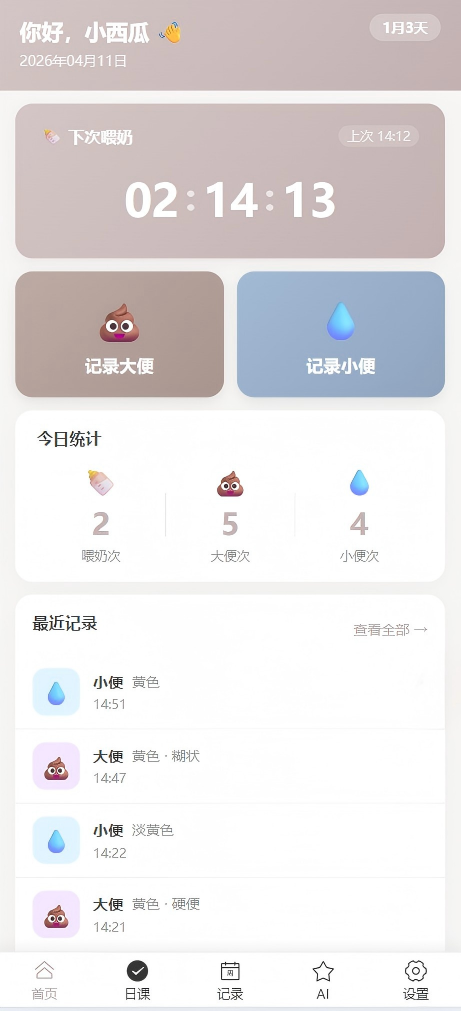
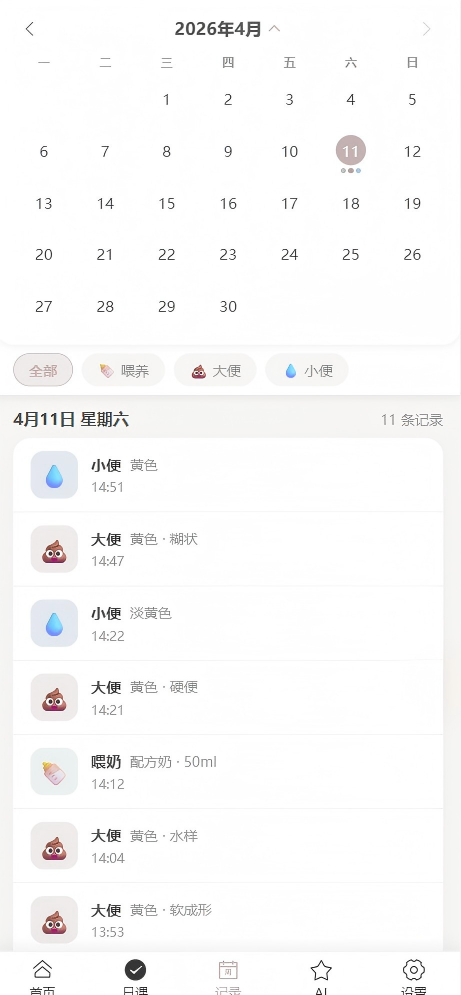
做了个育儿APP,把喂养、排泄、作息这些信息都结构化记录下来,还能提供倒计时提醒服务,
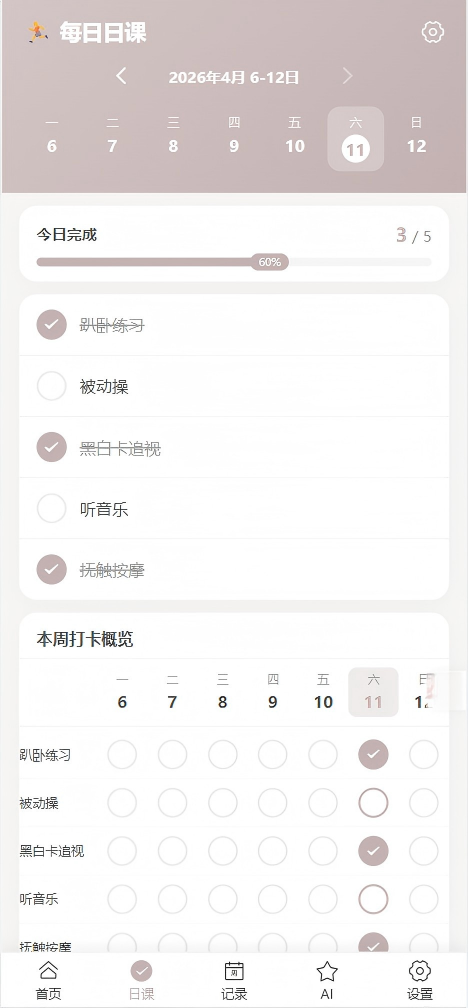
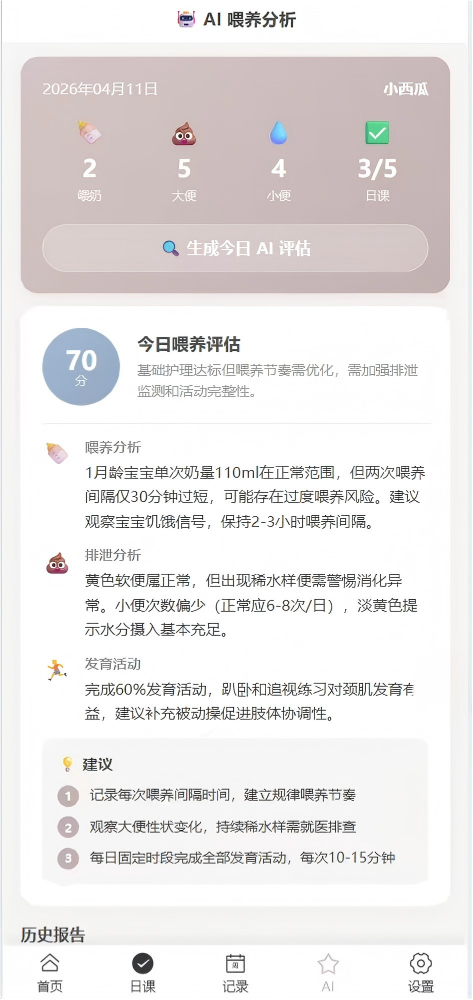
我甚至后面还加了一些课程记录、AI分析功能。
<<< 左右滑动见更多 >>>
但很快就发现,这种方式,对使用者是有门槛的,
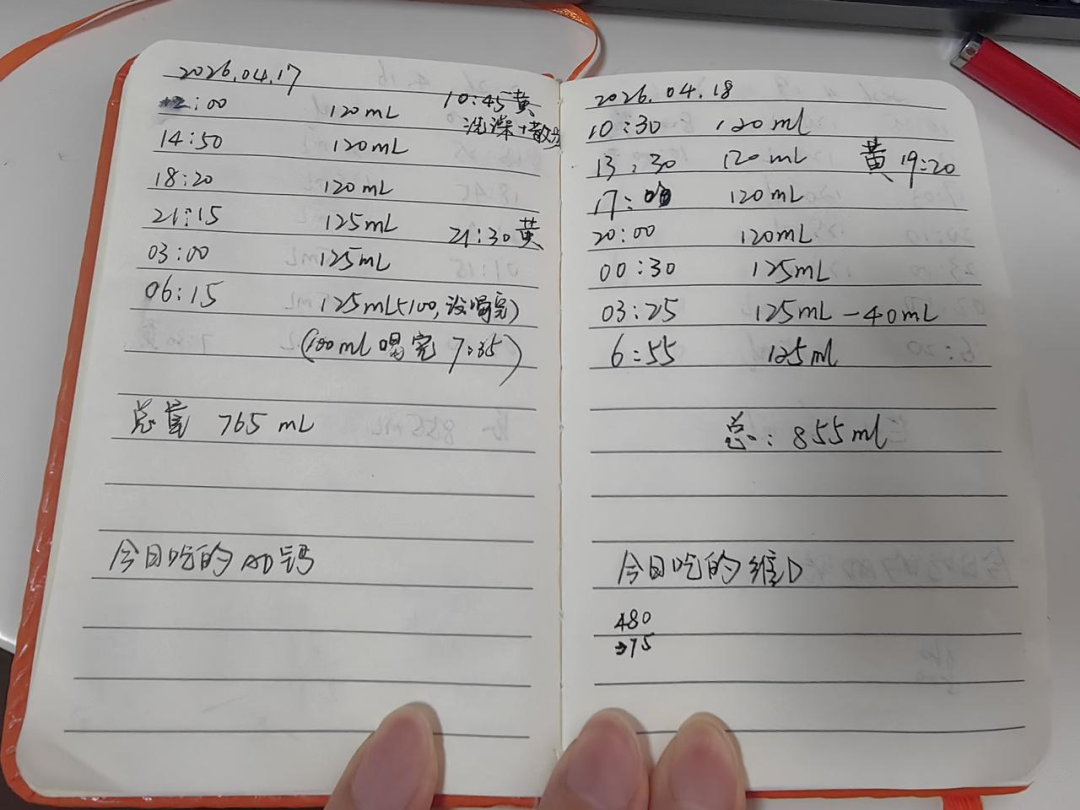
因为出了月子中心之后,我们记录又回归到了,原始模式,用纸笔记录。
主要,对于我老丈母娘来说,用APP很麻烦,
她是那种平时你打电话她都不接的人,手机基本不在身边,
所以她还是觉得在纸上记录更方便。
后来我开始换一个角度思考,是不是我做一个可以简单操作的硬件,就可以解决,
按一下就记录,说一句就补充,
比如喂奶之后自动开始倒计时,到时间提醒;排泄按照医学标准记录,由AI判断是否异常;一家人通过一个统一入口同步所有数据,避免信息断层, 老人在硬件上操作,记录,年轻人操作APP,
问题不就解决了吗?
于是上次去北京,跟朋友一起在观猹直播的时候,我就聊到了这个事情,
他们说京东跟观猹一起举办了一个黑客松比赛,AI终端新物种大赛,JoyInside首届创新大赛,可以参加一下。
于是跟好友@塔塔,@摸鱼小李 就组队,
结果,没选上,哈哈哈
当然,这不重要,过程更重要(强行安慰自己)。。。
在赛后把入围项目认真看了一遍之后,发现有一个跟我很像的产品,叫拍拍豆。
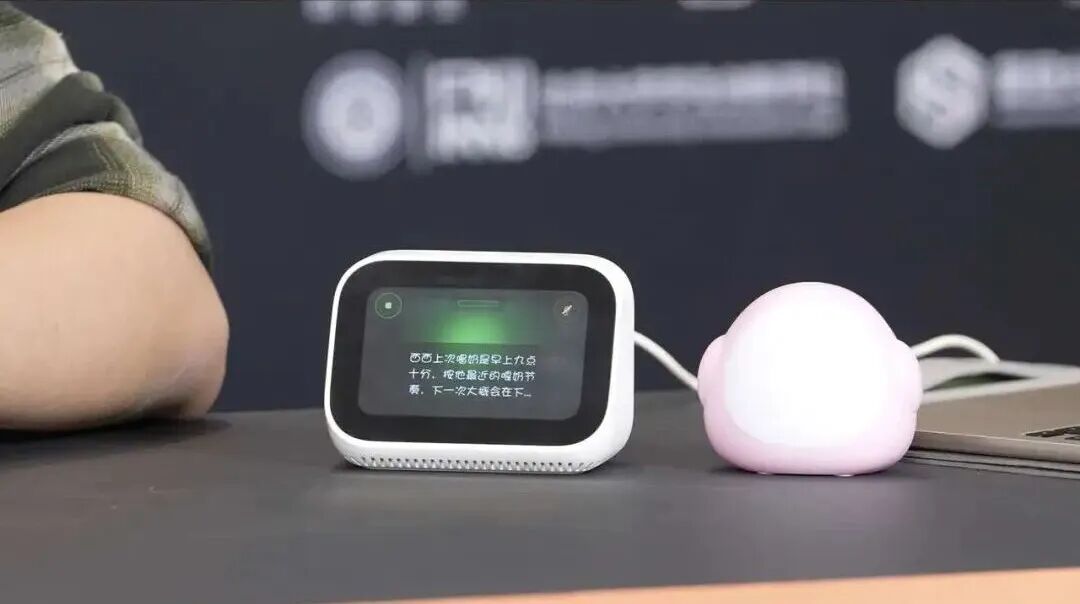
哈哈哈,功能基本一致,
它也是一个面向0-3岁幼儿家庭的智能育儿陪伴体。拍一下,先记住时间;说一句,补充奶 量、睡眠、情绪和异常情况;问一句,就能得到状态分析、喂养建议和育儿问答。
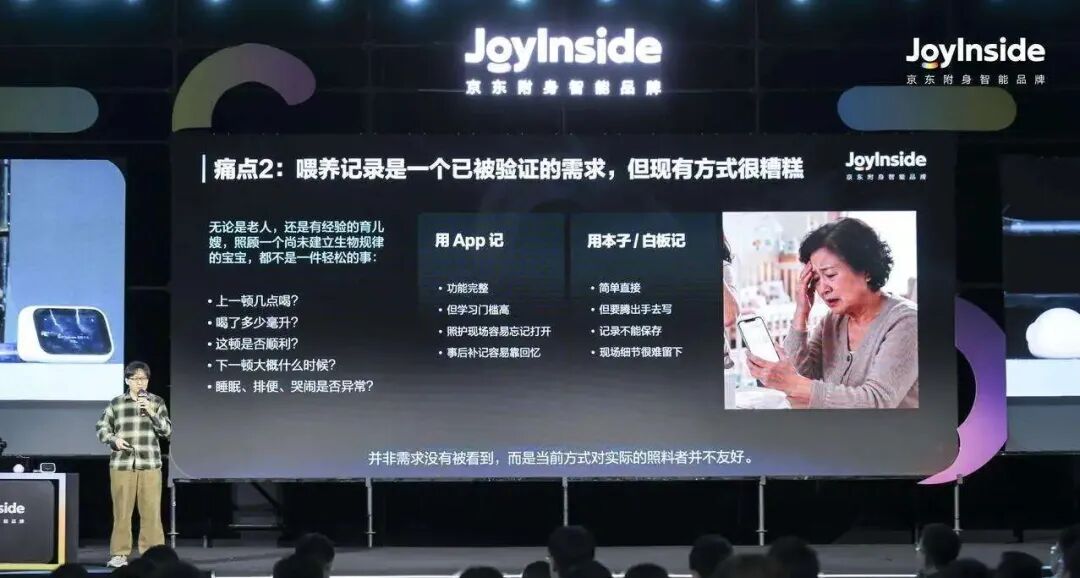
所以大家的痛点基本上一致哈,
不过,它的出发点是通过语音交互来控制其他信息交互,
而我当时想的是,对老年人,按键可能更简单,
反正我觉得并不是谁好谁坏,只是出发点不一样罢了。
PS:不过,整体方案、企划书写的确实比我们好,哈哈哈哈,难怪没选上原来是撞车了
大家都是在用AI,解决生活中的日常,
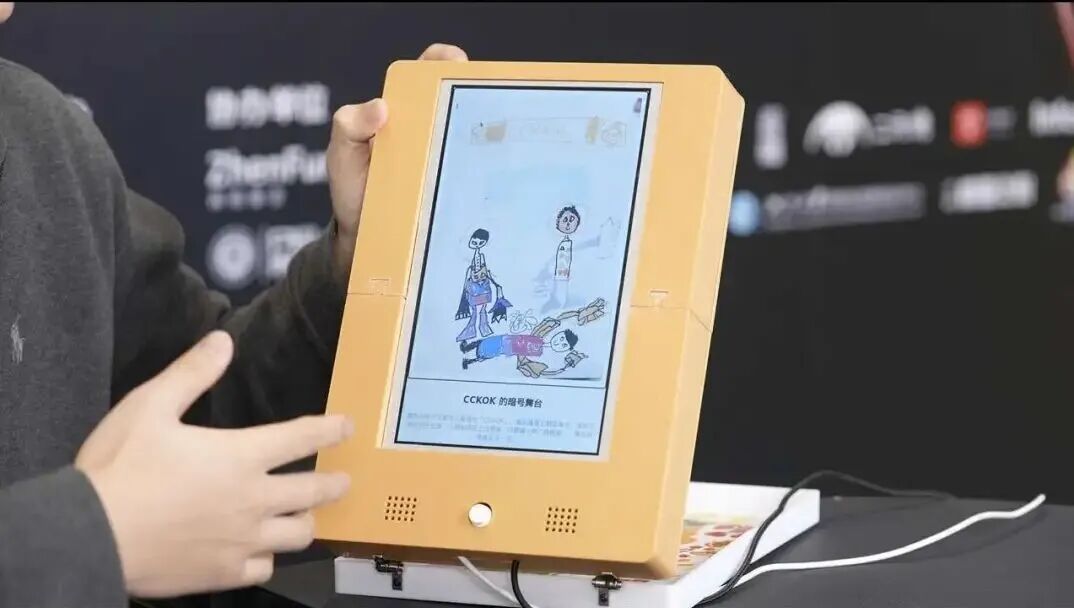
比如拿第一名的画伴产品,
一款面向3-7岁儿童的AI儿童绘画互动相框。就是让孩子的纸笔画作能够被即时“赋予生命”,转化为个性化动画和可互动故事角色,每一次创作都值得被记录和珍藏。
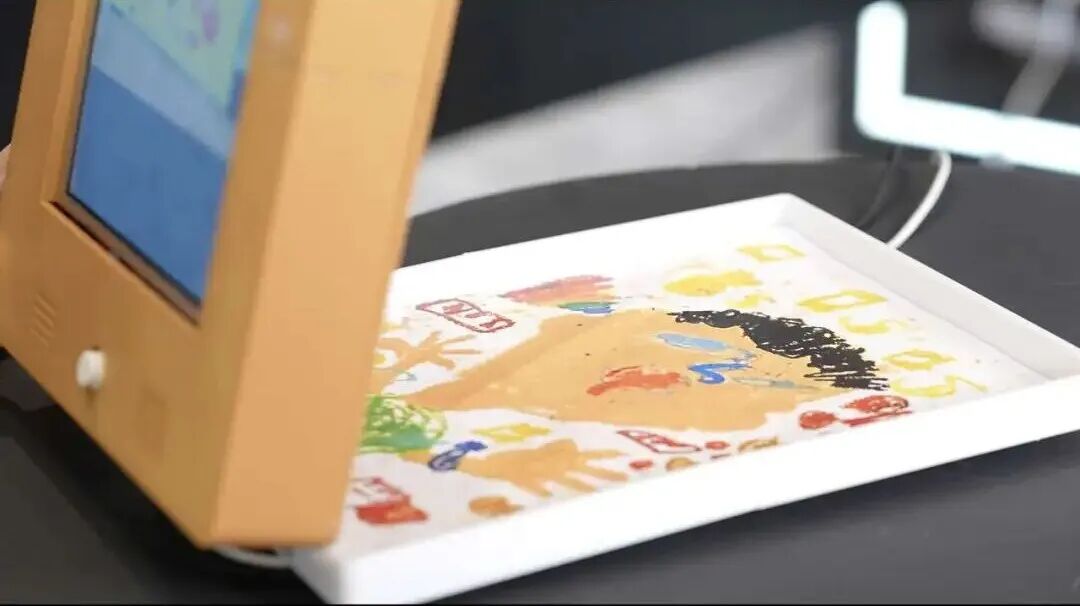
它可以将孩子的纸质画作推入底部扫描口进行自动采集图像,再识别画作内容后自动生成5–15 秒的个性化短动画,让角色动起来并配合音效,带来魔法般的即时惊喜感。
说实话,太酷了,我要是小时候有这个,可能我的审美、创造会上去吧,哈哈哈
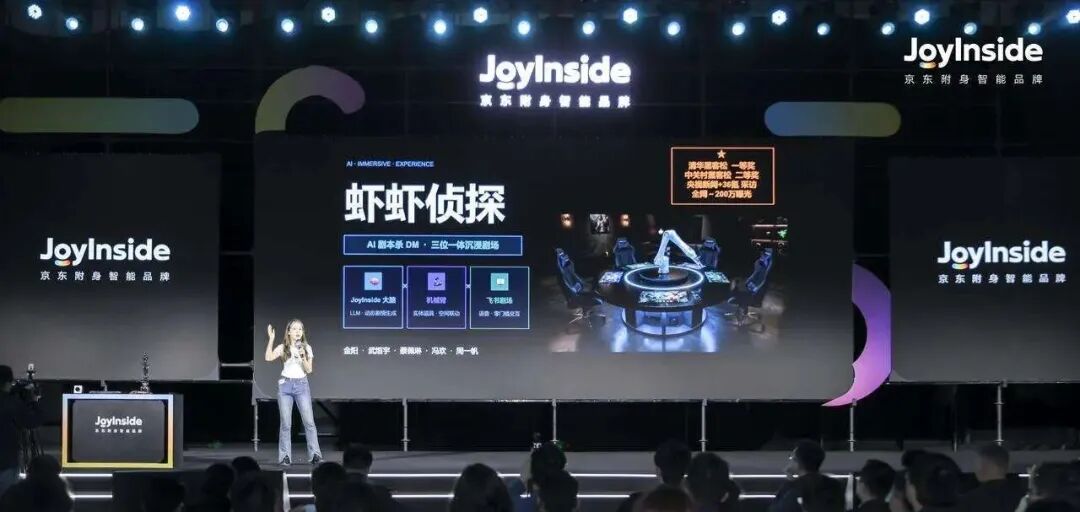
还有,好友@菜菜 他们的虾虾侦探,以 Openclaw AI 为核心主控的实体沉浸式桌游系统,核心解决优质游戏主持人及固定剧本的复玩性天花板的问题,让玩家无需阅读剧本,开口说话即可进入故事。
还有一个,更有意思的,草木信,一只插在任意盆土里的细长传感笔+一个电子墨水卡片,赋予每一株植物新的生命。它不主动推送消息、不逼你每天打开APP,是将植物的连续数据叙事转化成传统信的这种旧媒介,让养护变回一件不紧绷的事。
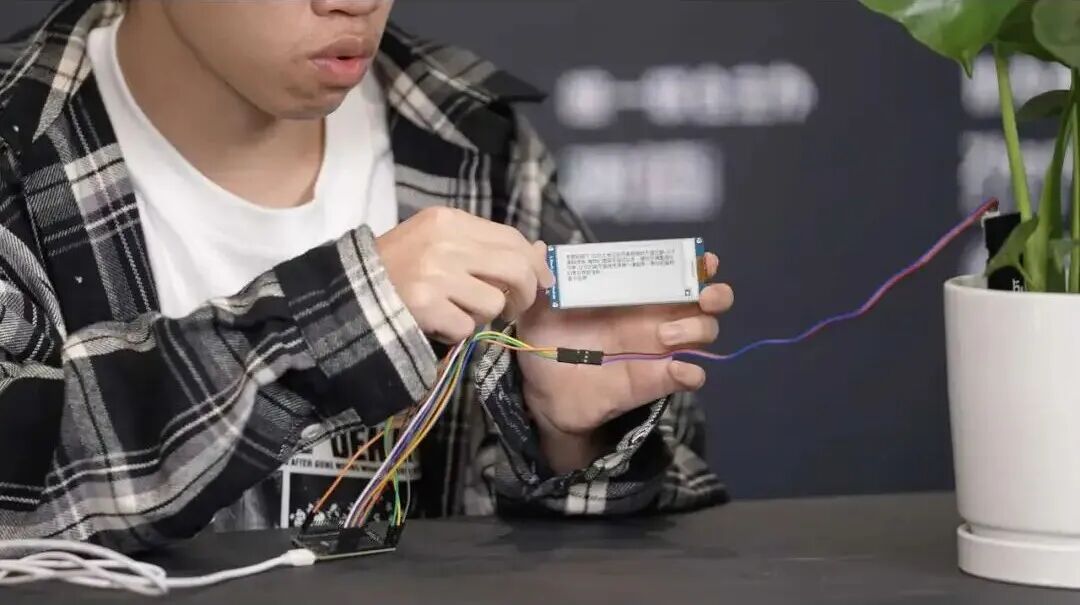
我就是那种养各种植物超不过一个月的人,真的想买一支。
所以,未来,会有更多的AI进入到具体的生活动作里,
出现在你喂奶、陪伴、互动、甚至不想操作设备的时候,
这也是为什么很多佬都在用physical AI 这来定义AI的下一个阶段。
PS:这笔比赛最有意思的是,也是最大的亮点,获奖作品,将在京东上架售卖。
AI硬件的两大问题是硬件本身、以及软件和AI能力的接入与整合。
前者是一个偏传统的工程问题,有开模、结构设计、功耗、稳定性、量产一致性等一系列问题,
但这些还是有稳定供应链的。
大多数团队还是在功能接口对接花费大量时间,
你要接模型,就涉及推理服务、延迟控制、上下文管理;
要做语音,就要处理ASR和TTS,还要考虑不同环境下的识别效果;
再往上,还有数据同步、设备管理等等。
多想有一个系统,直接可以对接。
而JoyInside就是一个这样的平台,
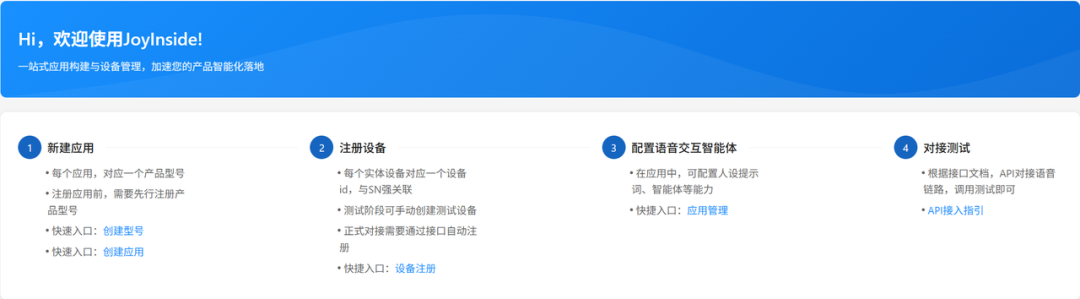
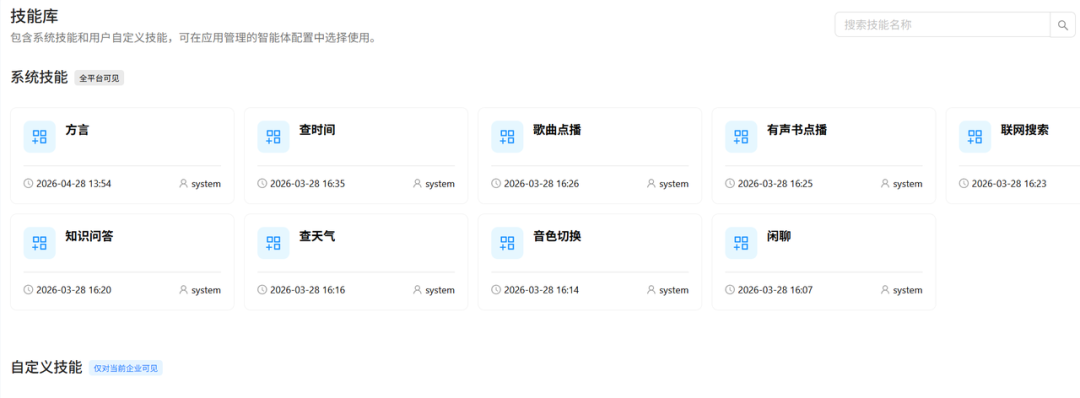
有指令库、技能库,有预置,支持自定义,让智能体可以进行各种功能的使用&集成。

本质上是把模型能力、语音交互、内容生态以及硬件方案整合在一起,再叠加供应链和渠道能力,
让一个原本需要从头搭建的过程,被压缩成一个可以快速启动的路径。
一个比较直观的变化是,原本需要几个月的硬件开发周期,可以被压缩到30天,
从创意到硬件产品之间的距离明显缩短,
效率不仅提升,还大幅降低了试错成本。
当时我自己在开发的时候,用起来也蛮方便的,很多语音、文本交互,你就直接SDK对接就可以,需要的额外技能,也能通过MCP额外添加。
画伴的作者也说,JoyInside让他,不需要自己去造语音对话和调度系统,可以把全部精力投入到产品的创新当中,让OPC的他,也可以完成整个项目。
是的,对OPC真的很友好,
一个AI硬件的超级基础设施平台,
它不直接定义具体产品形态,但会影响产品出现的方式和速度;不一定参与每一个创意,但会决定这些创意有没有机会变成商品。
还有,看过我开源模型月报的朋友,应该有发现,京东近期是有在发布大模型的,比如,开源的JoyAI-LLM-Flash模型,
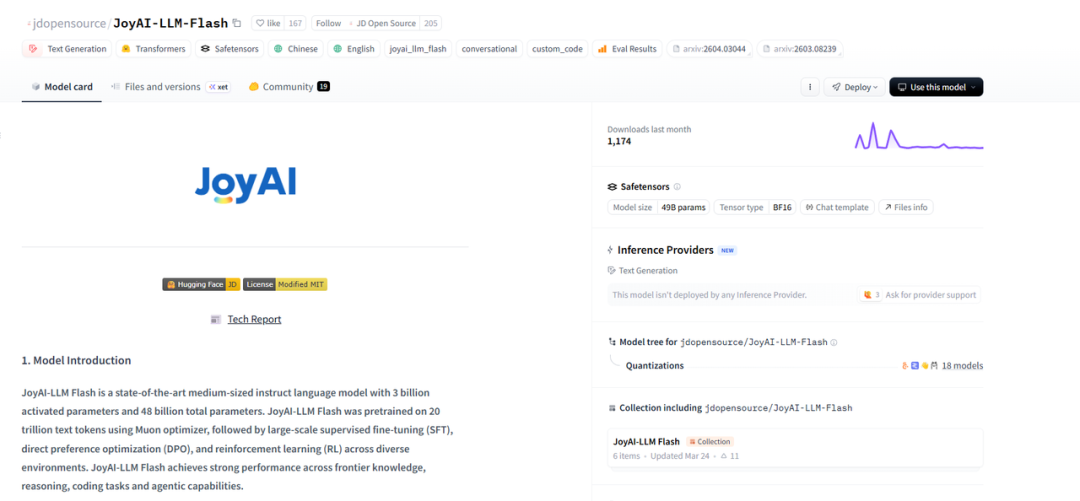
其实我当时还没想通为啥开了个很小的3B模型,
直到这次看到JoyInside,才逐渐理解它的定位,端侧。
它是在补足AI进入物理世界之后最关键的一块,
真实场景,以及把产品送到用户手里的能力,
而京东的超级供应链和丰富的场景深耕,就成为了优势。
最后,
现在这波AI硬件,仍然处在一个很早期的阶段,方向很多,也有不少不确定性。
但和之前不同的是,它已经不再只是概念。
已经有人拿出好的产品,有人在用,也开始有人愿意为这些产品付费。
接下来,大概率是一个个具体场景被慢慢走通,
谁先做出来,先留下来,很关键。
Original link: https://mp.weixin.qq.com/s/Yhc488LIpExMoJ2CsVD6YQ
Yes, this is the baby-care gadget I'm planning to make.
After having a baby, I realized that feeding is really a huge challenge.
Maybe many people can't relate to this,
but the question I now ask all the time is: what time did the baby eat, and is he hungry.
At first, I tried to solve this problem with software. I mentioned this earlier.
I made a parenting app that structurally records feeding, excretion, sleep and other information, and it can even provide countdown reminder services.
Later on, I even added some course-recording and AI analysis features.
<<< Swipe left or right to see more >>>
But I quickly found that this approach has a barrier for users,
because after leaving the confinement center, we went back to the original mode: recording with pen and paper.
The main reason is that it's very troublesome for my mother-in-law to use an app.
She's the kind of person who doesn't answer when you call; her phone is basically never by her side.
So she still thinks it's more convenient to record on paper.
Later, I started thinking from another angle: maybe I can solve the problem by making a simple hardware device.
Press a button to record, say one sentence to add details.
For example, after feeding, automatically start a countdown and remind when the time comes; record excretion according to medical standards and let AI judge whether it's abnormal; the whole family syncs all data through one unified entry point to avoid information gaps. The elderly operate and record on the hardware, while younger people use the app.
Wouldn't that solve the problem?
So when I went to Beijing last time and was chatting with friends during a live stream on Guancha, I brought this up.
They said JD.com and Guancha were co-hosting a hackathon competition, the AI Terminal New Species Contest, the first JoyInside Innovation Competition, and I could join.
So I teamed up with my friends @Tata and @Moyu Xiaoli,
and in the end, we weren't selected, hahaha.
Of course, that's not important. What matters is the process (forcibly comforting myself)...
After carefully reviewing all the shortlisted projects after the competition, I found one product very similar to mine, called Paipaidou.
Hahaha, the functions are basically the same.
It is also an intelligent parenting companion designed for families with children aged 0-3. Tap once to record the time first; say a sentence to supplement milk amount, sleep, mood, and any abnormalities; ask a question to get status analysis, feeding recommendations, and parenting Q&A.
So everyone's pain points are basically the same,
However, its starting point is to control other information interactions through voice interaction,
whereas at the time, I was thinking that for elderly people, buttons might be simpler,
Anyway, I don't think it's about who is better or worse—it's just that the starting points are different.
PS: But honestly, the overall solution and proposal were indeed better written than ours, hahaha, no wonder we weren't selected—turns out our ideas collided.
Everyone is using AI to solve everyday problems in life,
For example, the first-place winner, the painting companion product,
an AI children's painting interactive photo frame designed for kids aged 3-7. It lets children's paper drawings be instantly "brought to life," transforming them into personalized animations and interactive story characters, so every creation deserves to be recorded and cherished.
It can take a child's paper drawing and push it into the bottom scan slot for automatic image capture, then recognize the drawing's content and automatically generate a 5-15 second personalized short animation, making the character move with sound effects for a magical, instant surprise.
Honestly, that's so cool. If I had this when I was a kid, my aesthetic sense and creativity might have leveled up, hahaha.
Also, my friend @菜菜 and their team's Shrimp Detective—an immersive physical tabletop game system with Openclaw AI as its core controller—solves the ceiling problem of replayability with professional game masters and fixed scripts, letting players enter the story just by speaking without reading any scripts.
There's another one, even more interesting: Grass & Letter—a slender sensing pen that plugs into any potted soil plus an e-ink card, giving every plant a new life. It doesn't push notifications or force you to open an app every day; instead, it transforms the plant's continuous data narrative into the old medium of traditional letters, making plant care feel like something less tense.
I'm the kind of person who can't keep any plant alive for more than a month, and I really want to buy one.
So in the future, more AI will enter specific everyday actions,
appearing when you're feeding, accompanying, interacting, or even when you don't feel like operating a device,
which is also why many experts are using "physical AI" to define AI's next stage.
PS: The most interesting part of this competition, and also its biggest highlight, is that the winning works will be listed for sale on JD.com.
The two major problems with AI hardware are the hardware itself, as well as the integration of software and AI capabilities.
The former is a relatively traditional engineering problem involving mold development, structural design, power consumption, stability, mass production consistency, and a series of other issues,
but there are still stable supply chains for these.
Most teams spend a lot of time on functional interface integration,
if you need to connect models, that involves inference services, latency control, and context management;
if you want voice, you have to handle ASR and TTS, and also consider recognition performance in different environments;
going further up, there's data synchronization, device management, and so on.
How I wish there were a system that could be connected directly.
And JoyInside is exactly such a platform,
with a command library and skill library, preset options, and custom support, allowing agents to use and integrate various functions.
In essence, it combines model capabilities, voice interaction, content ecosystem, and hardware solutions, then adds supply chain and channel capabilities,
compressing what would originally be a from-scratch build process into a path that can be quickly started.
A relatively intuitive change is that the hardware development cycle, which originally took months, can be compressed to 30 days.
The distance from idea to hardware product has been significantly shortened.
Efficiency has not only improved, but also greatly reduced the cost of trial and error.
When I was developing it myself, it was quite convenient to use. For many voice and text interactions, you could directly integrate the SDK, and any extra skills needed could be added through MCP.
The author of HuaBan also said that JoyInside meant he didn't need to build the voice dialogue and scheduling systems himself, allowing him to put all his energy into product innovation, and enabling him, as an OPC, to complete the entire project.
Yes, it is really friendly to OPC.
It is a super infrastructure platform for AI hardware.
It does not directly define specific product forms, but it affects the way and speed at which products emerge; it may not participate in every idea, but it determines whether these ideas have a chance to become products.
Also, friends who have read my open-source model monthly report may have noticed that JD has been releasing large models recently, such as the open-source JoyAI-LLM-Flash model.
Actually, at the time I couldn't figure out why they released a very small 3B model.
It wasn't until I saw JoyInside this time that I gradually understood its positioning: edge-side.
It is filling the most critical gap after AI enters the physical world.
Real-world scenarios, and the ability to get products into users' hands.
And JD's super supply chain and deep cultivation of rich scenarios have become advantages.
Finally,
The current wave of AI hardware is still at a very early stage, with many directions and considerable uncertainty.
But unlike before, it is no longer just a concept.
Some people have already made good products, some are using them, and some have begun to be willing to pay for these products.
Going forward, it is highly likely that specific scenarios will be gradually worked through one by one.
Whoever builds it first and manages to stay first is crucial.