
原文链接:https://mp.weixin.qq.com/s/CQ3MJjyRLjIYuerOCcgxBA
花了十年,把家里的屏幕都换成了电纸屏

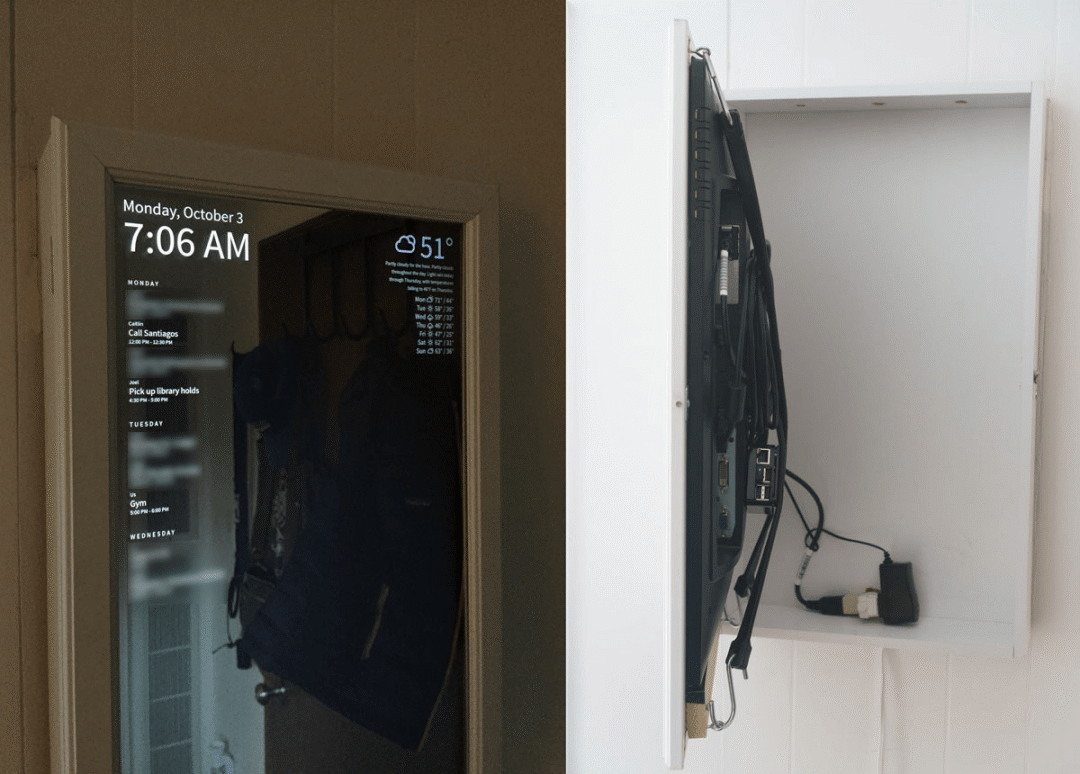
作者和妻子结婚时起初定了个规矩:卧室不放任何屏幕。但日历和天气又离不开,于是他开始折腾替代方案。第一版是用药柜改的 Magic Mirror——白天反光看不清,晚上整面发光,跟初衷完全矛盾。
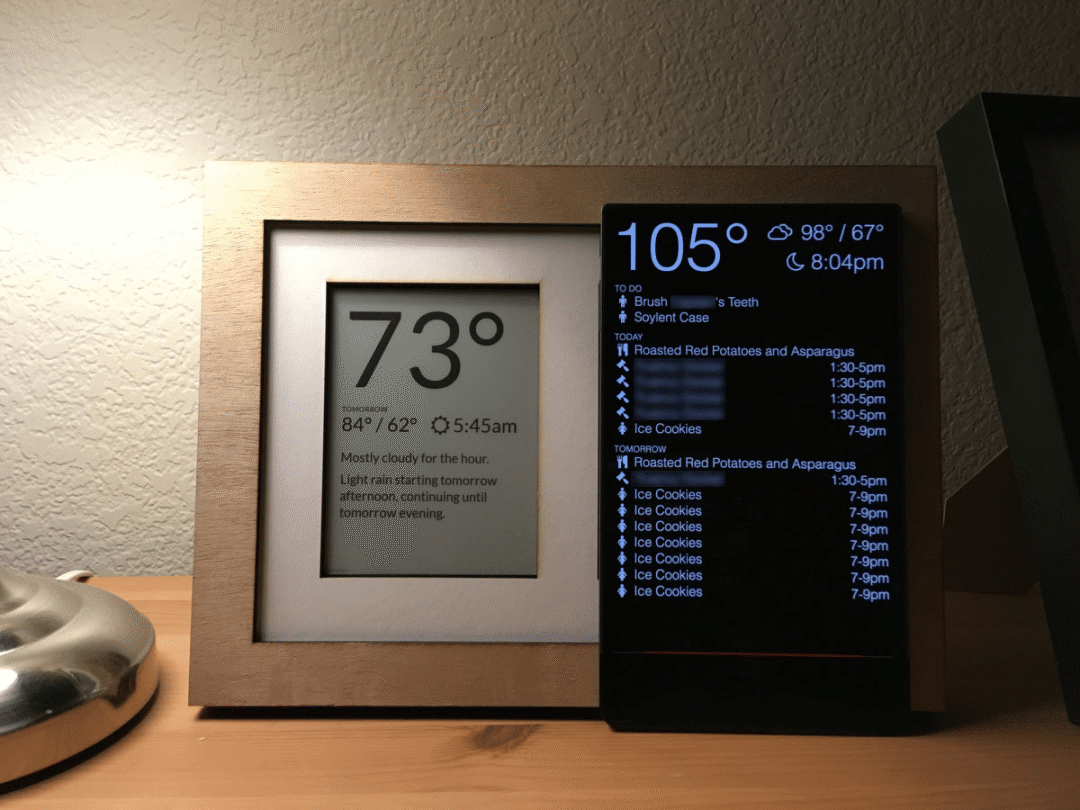
然后是越狱的 Kindle,塞进自己在图书馆创客空间激光切割的木头框里,后端用 Rails 写了个服务把日历和天气渲染成 PNG 推过去。Kindle 每半小时刷新一次,慢但够用,效果终于对了:不发光、不刺眼,挂墙上像张纸。
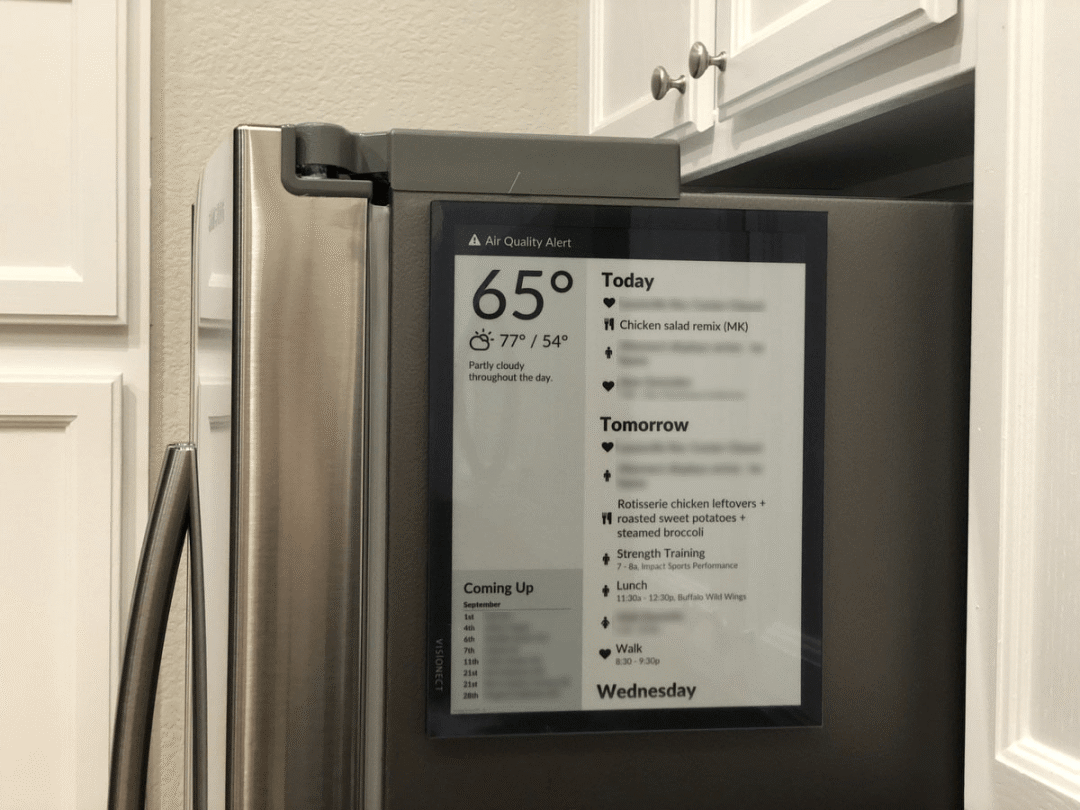
十年间这个叫 Timeframe 的项目迭代了好几轮。中间换过 Visionect 的商用 e-paper 屏(6 到 32 英寸都试过,单次充电能撑两三个月),甚至做过付费客户测试——结果 13 英寸屏要价 1000 美元,没人买单。2021 年科罗拉多 Marshall 大火烧掉了他家,重建的时候他干脆在新房里设计了一个专门的"手机角",预埋电源和壁挂位,装上了 Boox 25.3 英寸 Mira Pro——第一块支持实时刷新的大尺寸高分辨率 e-paper 屏。
后端的变化更值得说。迁移到 Home Assistant 之后,作者删掉了原来一半以上的代码,连数据库和 Redis 都去掉了。现在加一个提醒功能有多简单呢——他想在晚 8 点后提醒自己开洗碗机,写了一个 HA 模板传感器,读插座功率,低于 2W 就显示提醒——从想法到上线花了一分钟,不需要写代码、不需要部署。
最让人印象深刻的设计决策是状态指示的思路:屏幕左上角只显示需要注意的事(门没锁、洗衣机洗完了),如果那块区域是空白的,说明家里一切正常。这和大多数智能家居仪表板"把所有信息铺满屏幕"的做法完全相反——不展示你能控制什么,而是告诉你现在需不需要操心。
来源:https://hackaday.com/2026/05/05/e-paper-dashboard-reimagines-smart-homes-connection-with-technology/
一盏太阳能灯笼,里面藏着一个社区论坛
作者做了一个长得像灯笼的东西,但它其实是一台太阳能供电的本地 Web 服务器。走近它,手机会弹出一个 captive portal,打开就是一个社区留言板——不需要互联网,不需要注册,纯粹的本地交流。
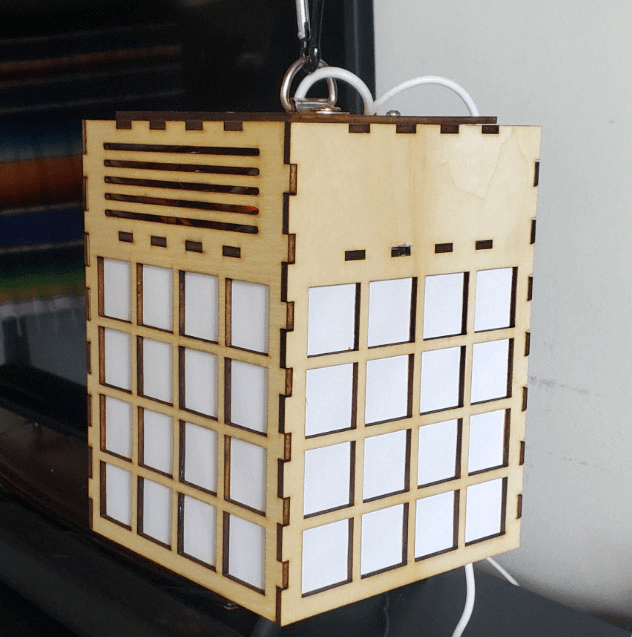
硬件很克制:一块 ESP32、两节 18650 电池、一块 6W 太阳能板。
软件也做了相应的精简——整个前端(HTML + CSS + JavaScript)打成一个字符串存在 PROGMEM 里,没有用 SPIFFS 或 LittleFS 拆分文件。Flash 被划成三个分区:当前运行的固件、一份已知可用的备份、以及用 LittleFS 存的用户数据。这样做 OTA 更新的时候,如果新固件有问题可以快速回滚。
这个项目有意思的地方不在技术难度——ESP32 做 Web 服务器早就不是新鲜事——而是它的使用场景。放在社区花园、公共空间、甚至露营地,不依赖任何基础设施就能让人们交流。在"万物皆需联网"的年代,一个刻意离线的通讯工具反而有种逆向的吸引力。
代码开源在 GitHub,GPL 协议。
来源:https://www.heyvictorfrost.com/workshop/Community_hub_V1
Spark:一台塞进口袋的开源合成器
作者做了一台叫 Spark 的便携合成器,核心是 ESP32,音频引擎用的是 AMY(Additive Music synthesizer librarY)——一个轻量级的多平台合成库,支持 FM、减法、加法等多种合成方式,非常适合跑在资源有限的微控制器上。
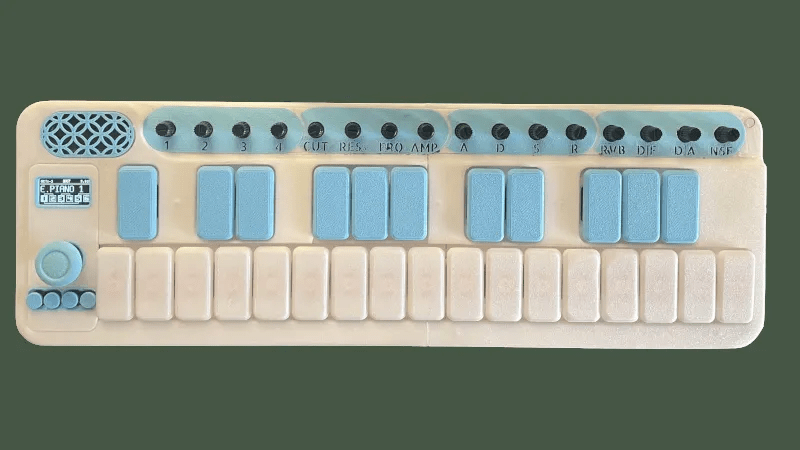
外形上最显眼的是那排 3D 打印的键盘,用的是低矮机械键轴,手感比薄膜按键好不少。旁边密密麻麻排了 16 个电位器和一根摇杆——电位器控制各种合成参数,摇杆负责弯音。一块小 OLED 显示当前的音色和参数状态。
目前 Spark 还是原型阶段,作者自己也说"里面的走线像老鼠窝",但该有的功能都跑通了:多种合成模式切换、实时参数调节、音频输出。硬件设计文件和固件都开源在 GitHub 上,用的零件也都是常见的——ESP32 模块、SSD1306 OLED、标准电位器和键轴。
对于想了解数字合成器怎么在微控制器上实现的人,Spark 的代码和硬件设计是个不错的学习样本。AMY 引擎本身也值得单独关注,它的 API 设计得挺干净,移植到其他平台也方便。
来源:https://hackaday.com/2026/05/02/this-handy-synth-packs-an-esp32/
25 美元的 ESP32-P4 开发板,能直接插树莓派的摄像头和屏幕
ESP32-P4 是乐鑫去年发布的高性能 MCU,双核 RISC-V、400MHz、32MB PSRAM,规格上已经不像传统意义上的"单片机"了。但之前的开发板要么贵(官方的 Function EV Board 接近 100 美元),要么接口不全。最近 AliExpress 上出现了一块只卖 24.68 美元的 ESP32P4C5 核心板,把 ESP32-P4 和 ESP32-C5 封装在一起,还加了四个 MIPI 接口。
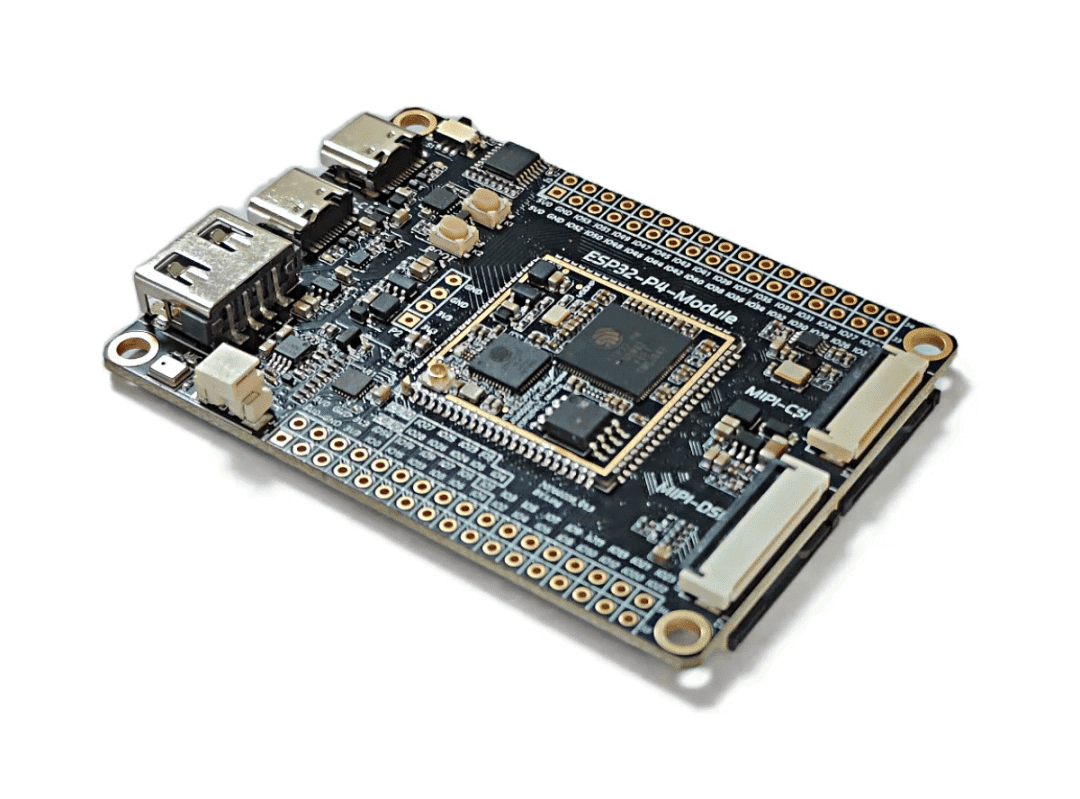
其中两个 15-pin MIPI 接口的排线顺序兼容树莓派官方摄像头和显示屏——这意味着你可以直接把手头现有的树莓派配件拿来用,不需要另外买转接板。ESP32-C5 负责无线通讯,支持双频 Wi-Fi 6、蓝牙 5.0 LE 和 802.15.4(Zigbee/Thread)。板子还带了 MEMS 麦克风、扬声器接口和三个 USB 口。
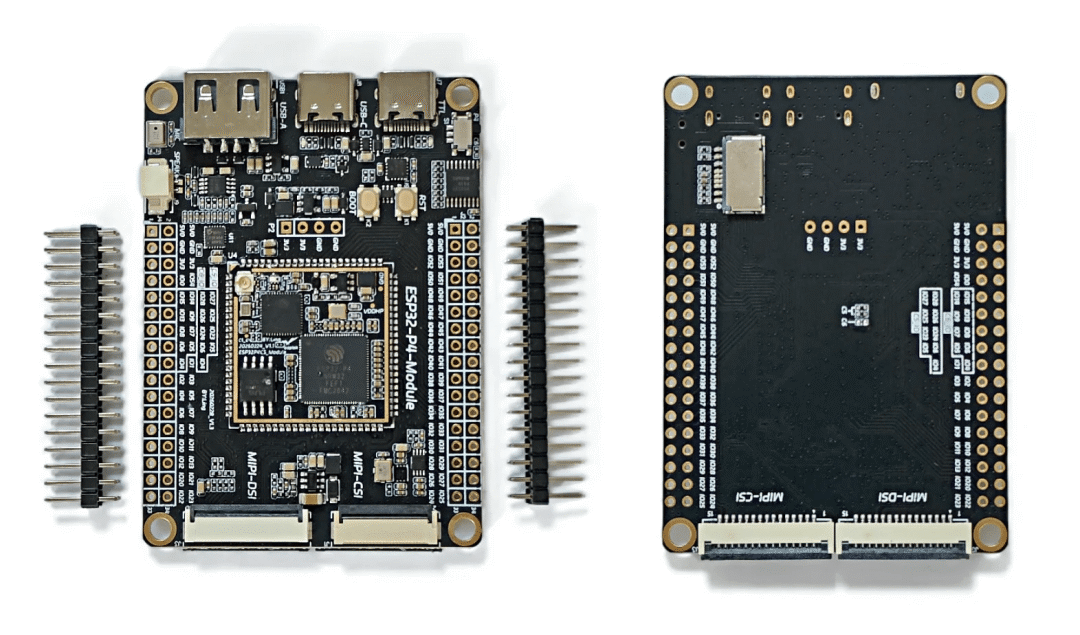
不过要注意一个坑:虽然物理接口兼容,但 ESP32-P4 目前只支持树莓派初代摄像头模块(OV5647 传感器),新款的 Sony IMX 系列暂时用不了。驱动适配还在推进中,买之前最好确认你要用的模块是否已经支持。
25 美元能拿到 ESP32-P4 + Wi-Fi 6 + MIPI 显示和摄像头接口,对于想试试 ESP32-P4 的人来说,入门门槛低了不少。
来源:https://www.cnx-software.com/2026/05/04/esp32-p4-esp32-c5-board-features-raspberry-pi-compatible-mipi-connectors-for-official-displays-and-camera-modules/
ESPHome 2026.4.0:ESP32 默认跑满 240MHz,传感器发布快了 46 倍
ESPHome 的 4 月更新是近期比较大的一次,改动集中在性能优化上。最核心的变化:ESP32、ESP32-S2、ESP32-S3、ESP32-C5 的默认 CPU 频率从 160MHz 提到了 240MHz。听起来只是改了个默认值,但实测影响不小——API 加密握手快了 29%,protobuf 编码快了 34%,蓝牙代理的广播转发在 ESP32-C3 上只占主循环 1.8% 的时间。
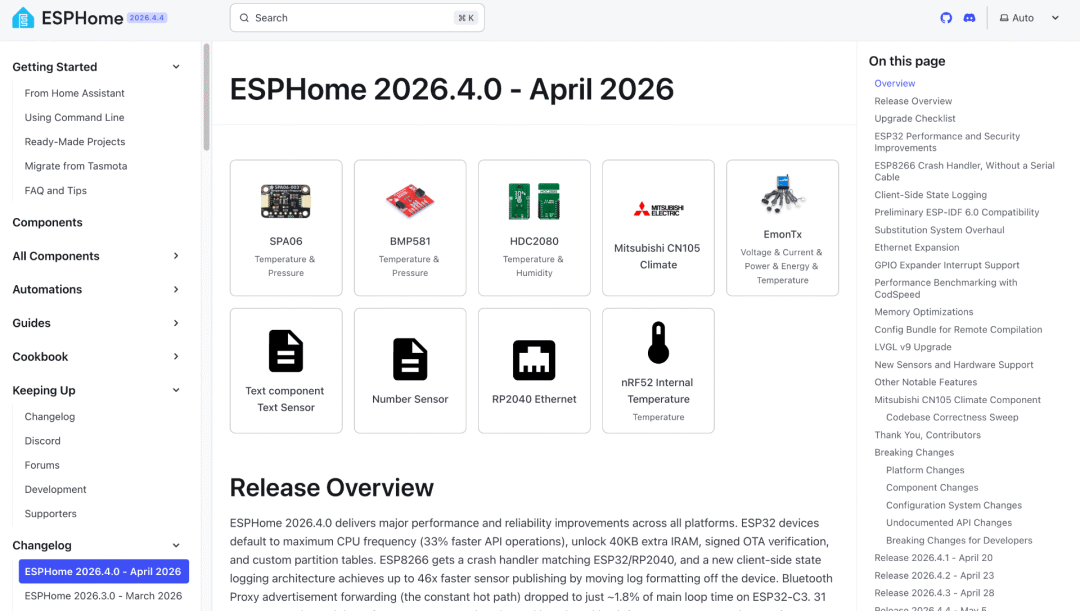
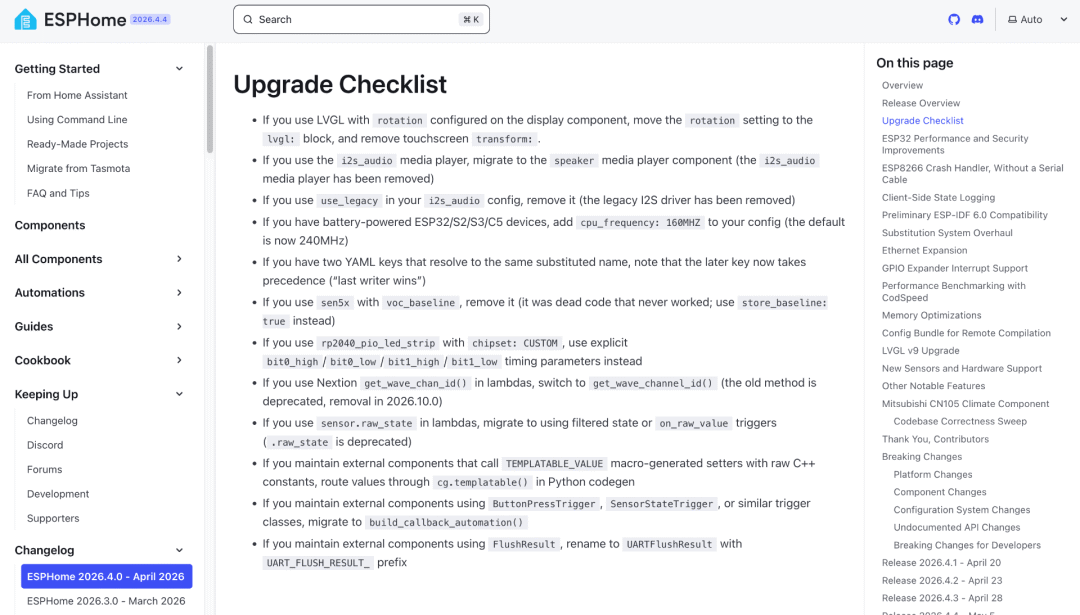
另一个大改动是传感器数据的发布方式。之前每次发布传感器数据,设备端要先把数值格式化成日志字符串,再序列化发出去。新版把日志格式化的工作移到了客户端,设备只发原始数据——结果是传感器发布速度最高快了 46 倍。对于跑了一大堆传感器的 ESP32 节点来说,这个改进很有感觉。
还有几个值得注意的点:原版 ESP32 解锁了额外 40KB 的 IRAM,这块内存以前被保留没用上,现在回收来扩大 Flash 缓存窗口,减少 Wi-Fi 和 BLE 操作的缓存缺失;新增 OTA 签名验证,防止被刷入未授权的固件;以太网支持新增了 5 种芯片。
这算是个 breaking change——提频会增加功耗和发热。跑电池供电或者散热不好的设备记得手动改回 cpu_frequency: 160MHz。
来源:https://esphome.io/changelog/2026.4.0/
Original link: https://mp.weixin.qq.com/s/CQ3MJjyRLjIYuerOCcgxBA
Spent ten years replacing all the screens at home with e-paper displays
When the author and his wife first got married, they decided not to put any screens in the bedroom. But they couldn't live without a calendar and weather display, so he started experimenting with alternatives. The first version was a DIY Magic Mirror built into a medicine cabinet — it reflected poorly during the day and glowed too much at night, contradicting the original idea.
Then he jailbroke a Kindle, put it in a wooden frame he lasered at the library makerspace, and set up a Rails service to render calendar and weather as PNGs and push them to the Kindle. The Kindle updated every half hour, which was slow but usable, and the effect was finally right: non-glowing, gentle on the eyes, hanging on the wall like a piece of paper.
Over ten years, this project, called Timeframe, went through several iterations. He tried commercial e-paper screens from Visionect (from 6 to 32 inches, lasting 2–3 months on a charge) and even tested a paid customer version — but nobody bought a 13-inch screen for $1000. In 2021, a wildfire burned down their house in Colorado, and during the rebuild, he designed a dedicated "phone corner" with prewired power and wall mounts, installing a Boox 25.3-inch Mira Pro — the first large, high-res e-paper screen with real-time refresh.
The backend changes were even more interesting. After migrating to Home Assistant, he deleted half the existing code and got rid of the database and Redis. Adding a new reminder is now trivial: he wanted to remind himself to start the dishwasher after 8 PM, so he wrote an HA template sensor that reads the socket power — if it drops below 2W, show a reminder. The whole process took a minute, no coding or deployment needed.
The most impressive design decision was how state indicators are used: the top-left corner only shows current issues (door unlocked, washing done); if it's empty, everything is normal. This is the opposite of most smart home dashboards that fill the screen with every possible data point — instead of showing what you can control, it shows what needs your attention.
Source: https://hackaday.com/2026/05/05/e-paper-dashboard-reimagines-smart-homes-connection-with-technology/
A solar-powered lantern with a community forum inside
The author built something that looks like a lantern but is actually a solar-powered local web server. When you approach it, your phone opens a captive portal showing a community message board — no internet required, no registration needed, just local communication.
The hardware is minimal: an ESP32, two 18650 batteries, and a 6W solar panel.
The software is also simplified — all HTML, CSS, and JavaScript are stored as one string in PROGMEM, avoiding file-based storage. The flash memory is divided into three partitions: the current firmware, a confirmed working backup, and a LittleFS partition for user data. This allows quick rollback if a new OTA update fails.
What makes this project interesting isn't the tech — ESP32 web servers are common — but the use case. Placed in a community garden, public space, or campsite, it enables communication without relying on infrastructure. In an era of hyper-connectivity, a deliberately offline communication tool offers a fresh appeal.
The code is open source on GitHub under GPL.
Source: https://www.heyvictorfrost.com/workshop/Community_hub_V1
Spark: A pocket-sized open-source synthesizer
The author created Spark, a portable synthesizer based on the ESP32, using the AMY (Additive Music synthesizer librarY) engine — a lightweight multi-platform library supporting FM, subtractive, and additive synthesis, ideal for resource-constrained microcontrollers.
The most striking feature is the 3D-printed keyboard with low-profile mechanical switches, offering better feel than membrane keys. Sixteen potentiometers and a joystick surround the screen — the pots control synthesis parameters, while the joystick handles pitch bending. A small OLED displays current sound settings and parameter values.
Though still a prototype (the wiring inside is described as "a rat's nest"), all core functions work: multiple synthesis modes, real-time parameter adjustment, and audio output. The hardware and firmware are fully open source on GitHub, using common components like ESP32 modules, SSD1306 OLEDs, and standard pots and switches.
For those interested in how digital synthesizers are implemented on microcontrollers, Spark provides a valuable learning resource. The AMY engine itself is well-designed and portable across platforms.
Source: https://hackaday.com/2026/05/02/this-handy-synth-packs-an-esp32/
$25 ESP32-P4 development board with Raspberry Pi camera and screen compatibility
The ESP32-P4 is a high-performance MCU released by Espressif last year, featuring dual RISC-V cores at 400MHz and 32MB PSRAM — beyond typical microcontroller specs. However, previous boards were either expensive (e.g., the official Function EV Board at ~100 USD) or lacked full interfaces. Recently, AliExpress introduced the ESP32P4C5 core board for $24.68, which packages an ESP32-P4 with an ESP32-C5 and four MIPI interfaces.
Two of these 15-pin MIPI interfaces are pin-compatible with official Raspberry Pi cameras and displays — meaning you can directly use existing Pi accessories without adapters. The ESP32-C5 handles wireless communications (Wi-Fi 6, Bluetooth 5.0 LE, 802.15.4). The board also includes a MEMS microphone, speaker jack, and three USB ports.
One caveat: while physically compatible, the current ESP32-P4 firmware only supports the original Pi camera (OV5647 sensor) — not the newer Sony IMX models. Driver updates are ongoing, so verify compatibility before buying.
At $25, this offers an affordable entry point for experimenting with ESP32-P4, including Wi-Fi 6 and MIPI connectivity.
Source: https://www.cnx-software.com/2026/05/04/esp32-p4-esp32-c5-board-features-raspberry-pi-compatible-mipi-connectors-for-official-displays-and-camera-modules/
ESPHome 2026.4.0: ESP32 runs at 240MHz by default, sensor publishing is 46x faster
The April ESPHome update is one of the most significant recent releases, focusing on performance optimization. Key change: the default CPU frequency for ESP32, ESP32-S2, ESP32-S3, and ESP32-C5 is increased to 240MHz from 160MHz. This boosts API encryption by 29%, protobuf encoding by 34%, and reduces Bluetooth proxy overhead on ESP32-C3 to just 1.8% of the main loop.
Another major improvement is how sensor data is published. Previously, each sensor update required formatting into a log string before serialization — now the device sends raw data directly, with formatting done client-side. This speeds up sensor publishing by up to 46x, critical for devices with many sensors.
Additional highlights: an extra 40KB of IRAM is unlocked for ESP32, improving flash cache performance; OTA signatures are now verified to prevent unauthorized firmware installs; and Ethernet support is expanded to five more chip models.
Since increasing frequency increases power consumption and heat, users on battery-powered or poorly cooled devices should manually set cpu_frequency: 160MHz to revert to the older behavior.
Source: https://esphome.io/changelog/2026.4.0/