
-
屏幕:5.76英寸,198PPI -
硬件:ARM Cortex四核,1GB RAM+16GB ROM,支持TF扩展 -
电池:1500mAh -
重量:155g -
系统:开放式安卓,默认预装京东读书

-
屏幕:6英寸,212PPI -
处理器:全志B300四核 -
内存:1GB+32GB -
电池:2200毫安 -
系统:安卓开放系统 -
重量:190克

-
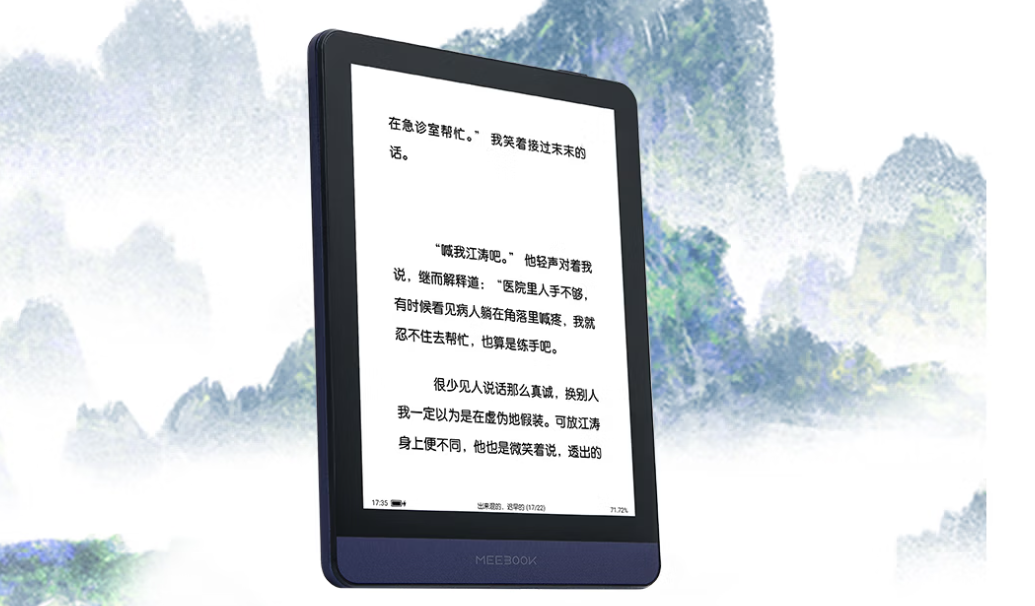
屏幕:6英寸,300PPI -
处理器:RK3566四核 -
内存:3GB+32GB -
系统:安卓11,开放式 -
前光:冷暖双色温 -
重量:190克 -
内置:京东读书
-
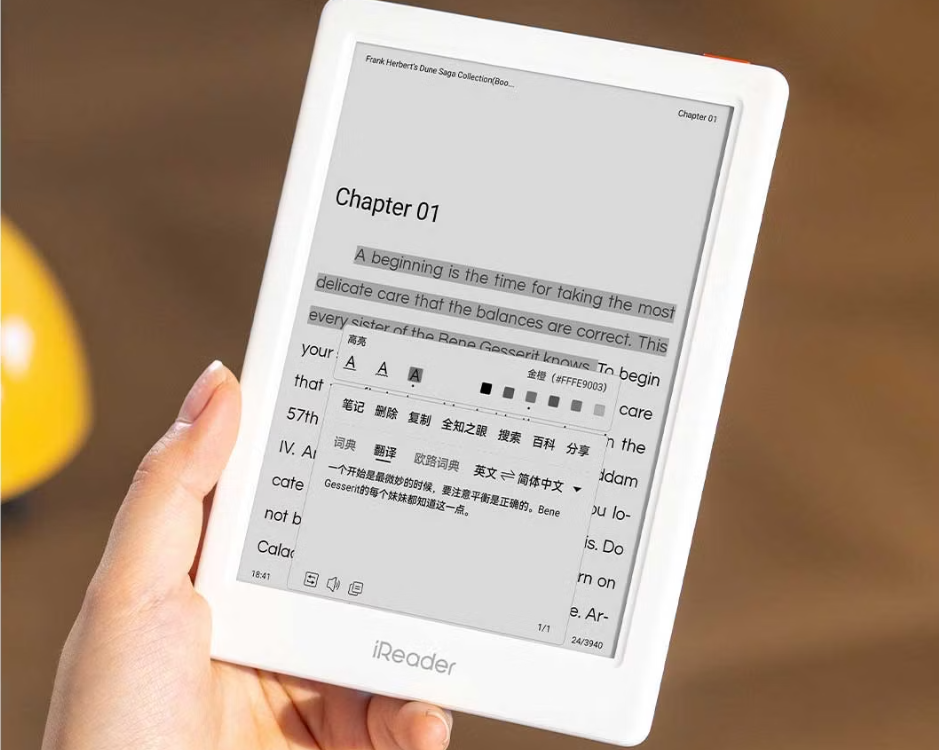
屏幕:6英寸,221PPI -
处理器:4核2.0GHz定制CPU -
内存:1GB+32GB -
电池:1800mAh,最高113小时阅读 -
重量:146g
-
屏幕:6英寸,212PPI -
硬件:四核1.8GHz,2GB或4GB RAM+32GB ROM -
内存:2GB+32GB -
电池:3000mAh,号称比上代提升87.5% -
重量:160g -
系统:安卓11,支持安装第三方APP

但二手市场鱼龙混杂,翻车风险自担。
A couple of days ago, I published two 618 shopping list articles in a row, one on phone-style e-ink readers and one on basic 6-inch e-ink readers. The most frequent comment was: still too expensive.
It really is expensive!
For the phone-style category, the motherboard has to cram all functions onto a tiny PCB. The higher the integration density, the lower the yield rate, so costs can't be pushed down.
The physical size difference between 6 inches and 6.13 inches is only 0.13 inches, yet the price gap can exceed 1,000 yuan. The money goes into manufacturing processes, not into that 0.13 inches.
Now about 6 inches. Before the price hikes, most mainstream models cost just over 700 yuan. Now, even after stacking coupons, they're basically all above 1,000 yuan.
A price point that used to be "cheap entry-level trial" has been pushed up to a "you have to think about it" price point.
(That said, I predicted the e-ink reader price surge long ago. You can only blame yourself for not following me sooner: I already smelled the widespread price increases coming for e-ink ebook readers in 2026 (with purchase advice) )
So people are asking: is there anything cheaper?
Yes, there is. But you need to lower your requirements one notch.
Where exactly? Only one thing—PPI. It drops from the mainstream flagship 300 PPI down to around 200-something.
In the 500-yuan price tier, the 6-inch readers you can buy generally have 200-something PPI, not the flagship 300 PPI.
This is the biggest trade-off at this price point, and the only core trade-off.
Here's the bottom line: 200+ PPI is perfectly sufficient for reading text. It's not a compromise — it genuinely works well.
Many people's obsession with PPI is actually a result of being led astray by manufacturers' marketing talk over the past couple of years.
300 PPI becoming the entry-level spec for 6-inch readers only happened in 2025. Before that, mainstream 6-inch readers had long used 212/221 PPI solutions.
If you look at snapshots of product pages from two or three years ago, you'll see that merchants used the same screens and still advertised them as "crisp and sharp text."
A more realistic comparison: a lot of "tiny" e-ink devices on the market still have PPI in the 150 range or even just over 100. That's what low resolution actually looks like. Moving from something like that to 200+ PPI, you'd think it's an HD screen.
In reading scenarios, the difference between 212 PPI and 300 PPI is hard to notice with the naked eye unless you put your phone's macro mode right up against the screen to photograph character aliasing. The difference mainly shows up in small font sizes, complex charts, and comic details. If you're buying a reader just for books, this difference is basically negligible.
So don't be a PPI purist.
If you have the budget, go straight for 300 PPI; if you're on a tight budget, 200+ PPI is usable. Both paths work. Spend according to your means.
Here are a few 6-inch models worth considering in the 500-yuan tier.
1. AOC XiaoQ Reader
AOC, the big display maker, only entered the e-ink market in the past couple of years, and the XiaoQ is its entry-level model. The XiaoQ reader launched at 699 yuan, and with current promo pricing it can be had for just over 400 yuan.
Screen: 5.76 inches, 198 PPI
Hardware: ARM Cortex quad-core, 1GB RAM + 16GB ROM, supports TF expansion
Battery: 1500mAh
Weight: 155g
System: Open Android, comes with JD Read preinstalled
The design leans toward a boxy, cute rounded shape, and the build maturity is decent for this price point.
There are two shortcomings: only 1GB of RAM, so multitasking is a bit strained; and 198 PPI is the lowest on this list, but the 5.76-inch small screen has a dense pixel layout anyway, so it doesn't look bad to the naked eye.
2. HKC Sambada 6-inch Basic Edition
HKC is one of China's big four large-size LCD panel makers, and its sub-brand Sambada making readers is a case of "a panel maker entering the field directly." The JD price is 519 yuan; after stacking discounts, it comes to around 450 yuan.
Screen: 6 inches, 212 PPI
Processor: Allwinner B300 quad-core
Memory: 1GB + 32GB
Battery: 2200mAh
System: Open Android
Weight: 190g
3. MEEBOOK M6
The only 300 PPI model on this list. The JD (JDRead co-branded) edition comes to about 583 yuan and up.
Screen: 6 inches, 300 PPI
Processor: RK3566 quad-core
Memory: 3GB + 32GB
System: Android 11, open system
Front light: dual cold and warm color temperature
Weight: 190g
Built-in: JD Read
MEEBOOK's predecessor was Boyue, which did OEM work for many years and always used solid hardware. 3GB of RAM at this price is a crushing blow to the competition. The only shortcoming is low brand awareness—its exposure can't match the big names, so many people subconsciously skip it when choosing.
But looking purely at product strength, the M6 is the best value on this list—it pushes the entry price for 300 PPI below 600 yuan.
4. iReader Light 4 Long Battery Life Edition
iReader's 6-inch entry-level model isn't the well-known Neo series, but the more budget-oriented Light series.
The Neo series keeps changing colors and its specs jump around, drawing most of the attention, so the Light has become the overlooked tier.
Screen: 6 inches, 221 PPI
Processor: quad-core 2.0GHz custom CPU
Memory: 1GB + 32GB
Battery: 1800mAh, up to 113 hours of reading
Weight: 146g
Price: around 599 yuan.
The upgraded Light 4 Turbo launched at 799 yuan, bumping memory to 2GB + 64GB. At this price point, you're getting a bargain, so of course you can't expect top specs, but the completeness of its ecosystem is its moat.
5. Hanvon Clear 6
The Hanvon Clear series has four branches. Everyone pays attention to the Pro, Pro+, and Turbo, while the basic Clear 6 gets overlooked. It currently costs around 550–670 yuan.
Screen: 6 inches, 212 PPI
Hardware: quad-core 1.8GHz, 2GB or 4GB RAM + 32GB ROM
Memory: 2GB + 32GB
Battery: 3000mAh, claimed to be 87.5% better than the previous generation
Weight: 160g
System: Android 11, supports installing third-party apps
The 3000mAh battery is the largest on this list, nearly double that of the other models.
Hanvon has been making e-readers for over a decade, and the stability of its mature molds and build quality is more reliable than some smaller manufacturers' solutions.
All five models above are brand new.
If you broaden your thinking, mid-to-high-end e-ink readers from three or four years ago have now also dropped to the 500–600 yuan range on the second-hand market, often offering better value than new devices.
But the second-hand market is a mixed bag, and you bear the risk of a bad purchase yourself.
The most reliable platform for buying second-hand isn't Xianyu. I wrote a dedicated article about this before—if you're interested, you can go back and read it: When buying a used e-ink reader, Xianyu only ranks third
Specs are cold; the reading experience is warm. Don't let a single number hold your real needs hostage.
Budget and specs will always be a multiple-choice question with no standard answer. Knowing your own usage scenario clearly matters more than chasing any spec.
Original link: https://mp.weixin.qq.com/s/JYjWKJVFRamTnjNv_TrfWw