
Kindle曾经作为墨水屏电纸书类产品的代名词,就像席梦思那样,大家说起这类产品不管是什么牌子,第一反应这是个Kindle呀?

大象作为一个墨水屏产品的爱好者,自然也少不了一台Kindle,可是在接触到大量的国产品牌产品后,Kindle已经几乎成了一个摆设,日常就处于懒得充电的状态。
作为墨水屏电纸书类产品的先行者,2007年亚马逊推出了第一款Kindle,可以说是一直深耕这一独特赛道。同时和屏幕供应商元太的深度合作,Kindle不仅能做到很多屏幕的首发和技术的独占。而且还掌握话语权,同样的屏幕,亚马逊能够拿到更优批次,这让Kindle占有自己的优势。比如在2017年首发7英寸屏幕,直到四年后的2021年才允许国产使用同款屏幕;而在过往产品里,不少用户都曾经抱怨过不如Kindle白,就是因为好批次的屏幕都优先供应亚马逊了。
2025年亚马逊推出第一款Oxide 显示技术设备,根据亚马逊官方的描述:「最新的 Oxide 显示技术让书写和翻页速度提升了40%」。
可随着市场的变化,国产品牌也能迅速跟进这项新技术,比如今年汉王就推出了国内首款采用Oxide增压瞬浮屏并搭配T2000增压快刷引擎的7.1英寸阅读器——汉王Clear7锦鲤,打破了此前亚马逊Kindle的“垄断”。
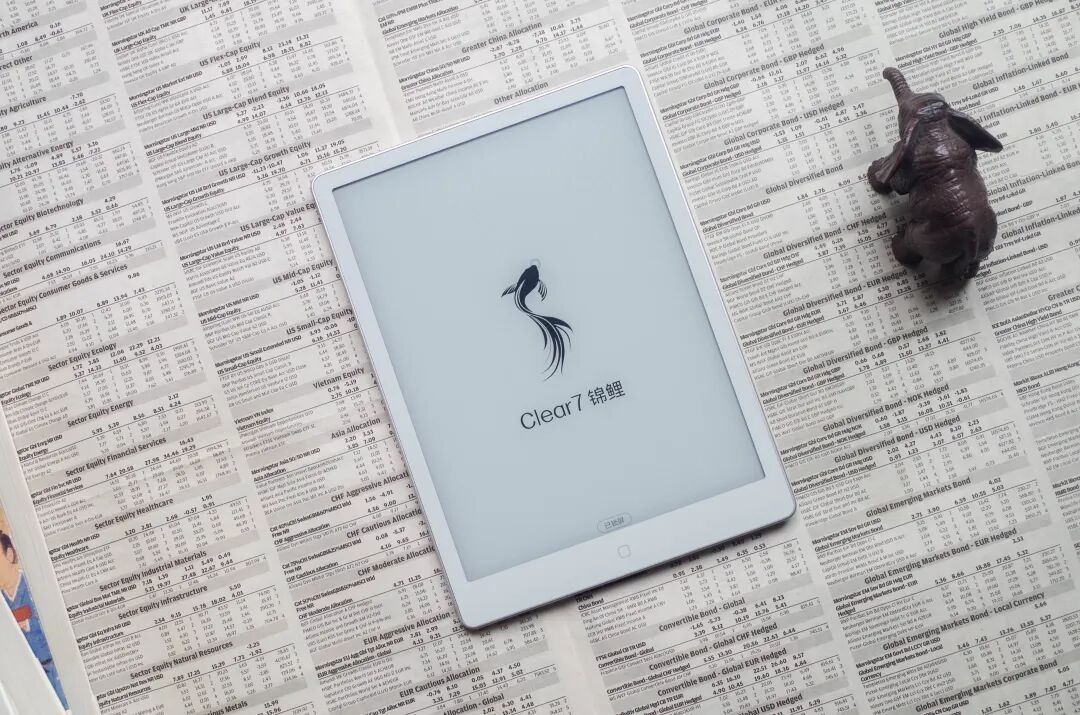
其实汉王也是国内最早跟进墨水屏电纸书类产品的厂商之一,早在2009年Kindle发布两年后就推出了第一款产品,更是曾经占领国内95%的市场。近年汉王再次回归墨水屏电纸书产品,凭借深厚的技术底蕴,推出多款备受瞩目的产品。

不少小伙伴大象留言,咨询汉王Clear7锦鲤和Kindle Paperwhite6的对比表现到底怎样,大象之前针对Kindle也做过一些内容,今天就趁机再跟大家聊聊这个话题。
外观与显示对比
先从外观开始说吧。

首先来看看外观对比,Kindle Paperwhie 6采用的是7英寸屏,而汉王Clear7锦鲤则是7.1英寸屏,后者屏幕要更大,但是很显然屏占比上,锦鲤要高不少。
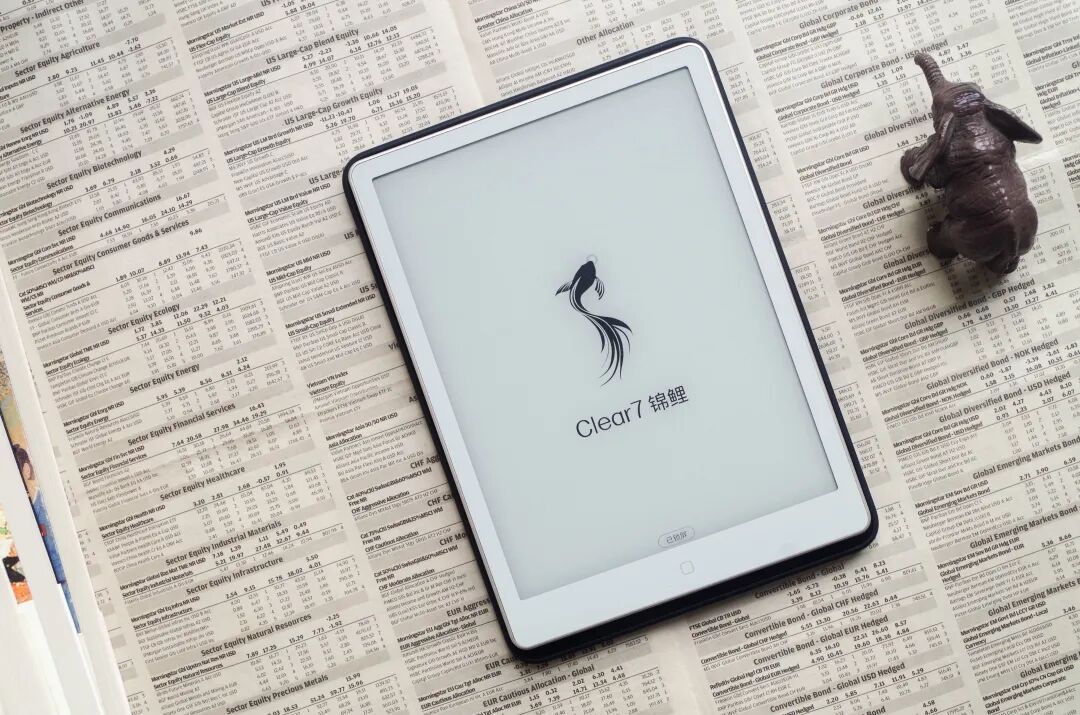
可以看到屏幕更大的锦鲤要比KPW6小上一圈。
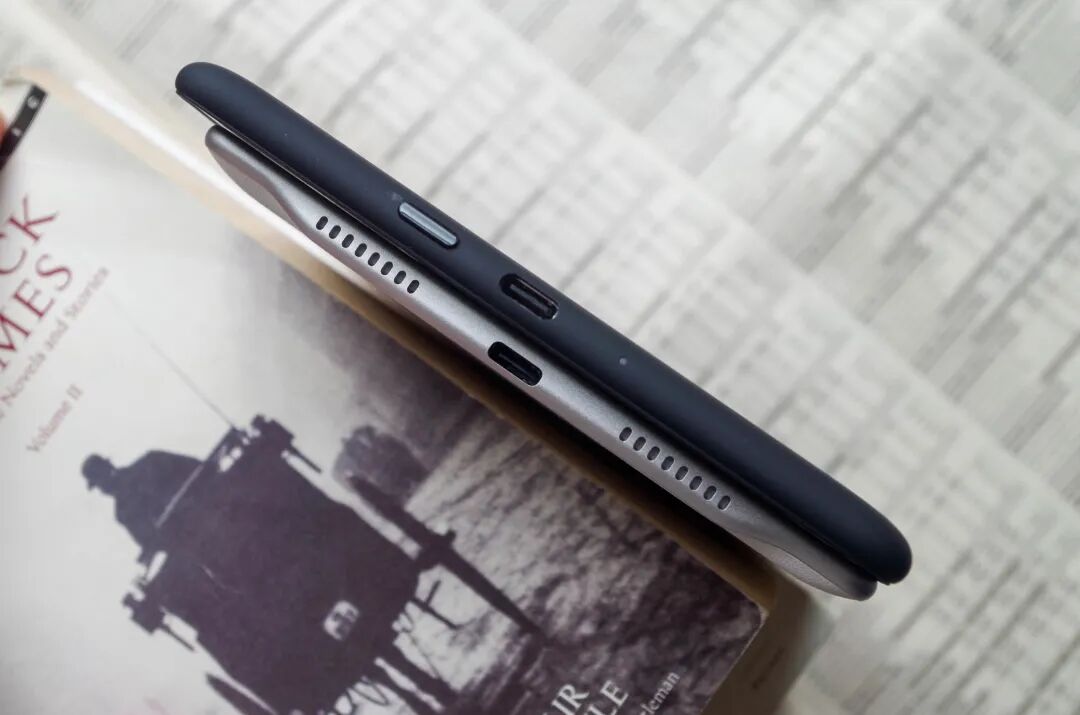
厚度对比更加明显,汉王锦鲤最厚的地方是6.5mm,而KPW6则是7.8mm,至于重量上锦鲤是约198g,KPW6则是约211g。
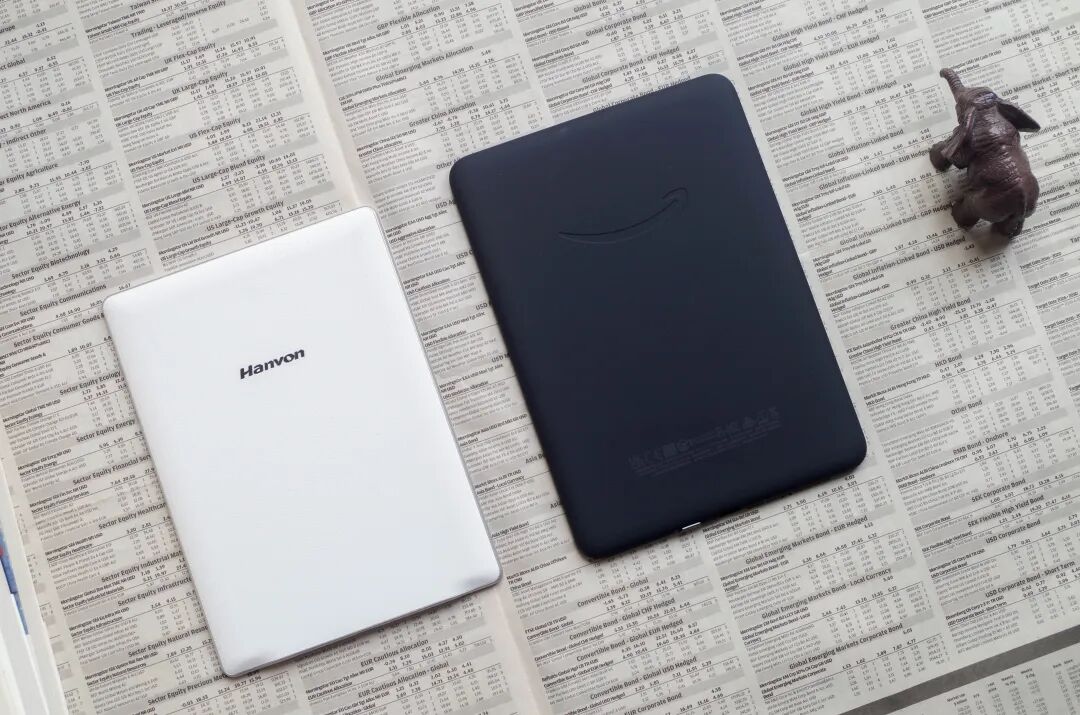
重量更轻的汉王Clear7锦鲤还采用金属机身,采用素皮后盖,要比KPW6的塑料+亲肤材料要更有质感。
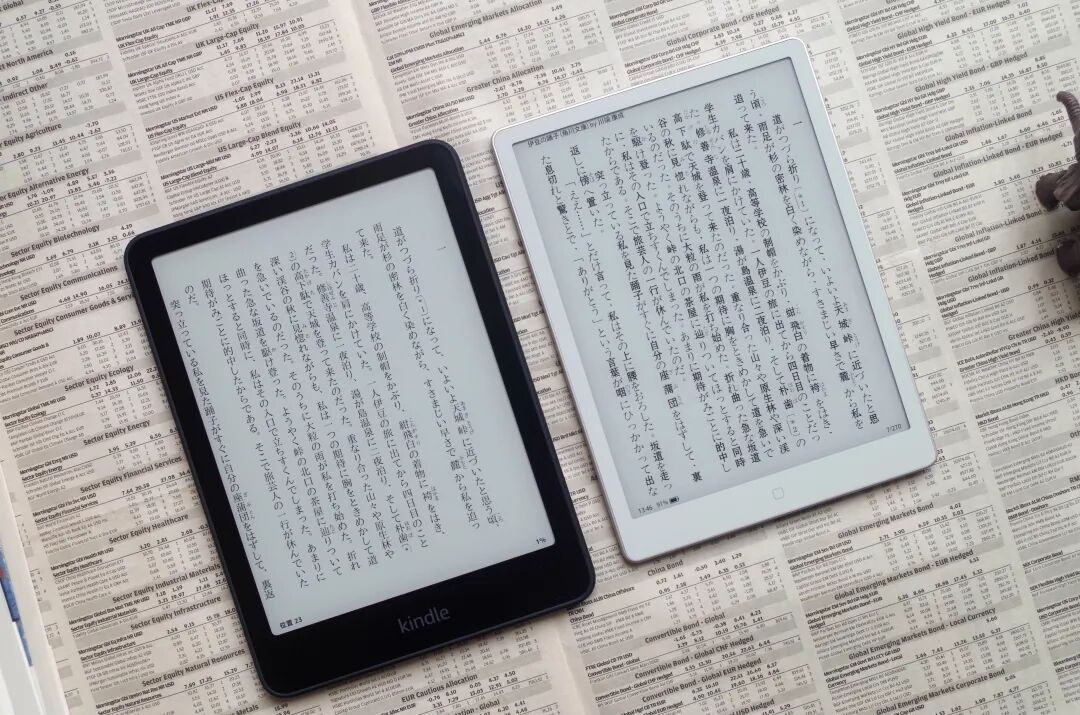
两款机器都是300PPI,我们可以看到在默认对比度下,显示上汉王Clear7锦鲤的字要更黑。
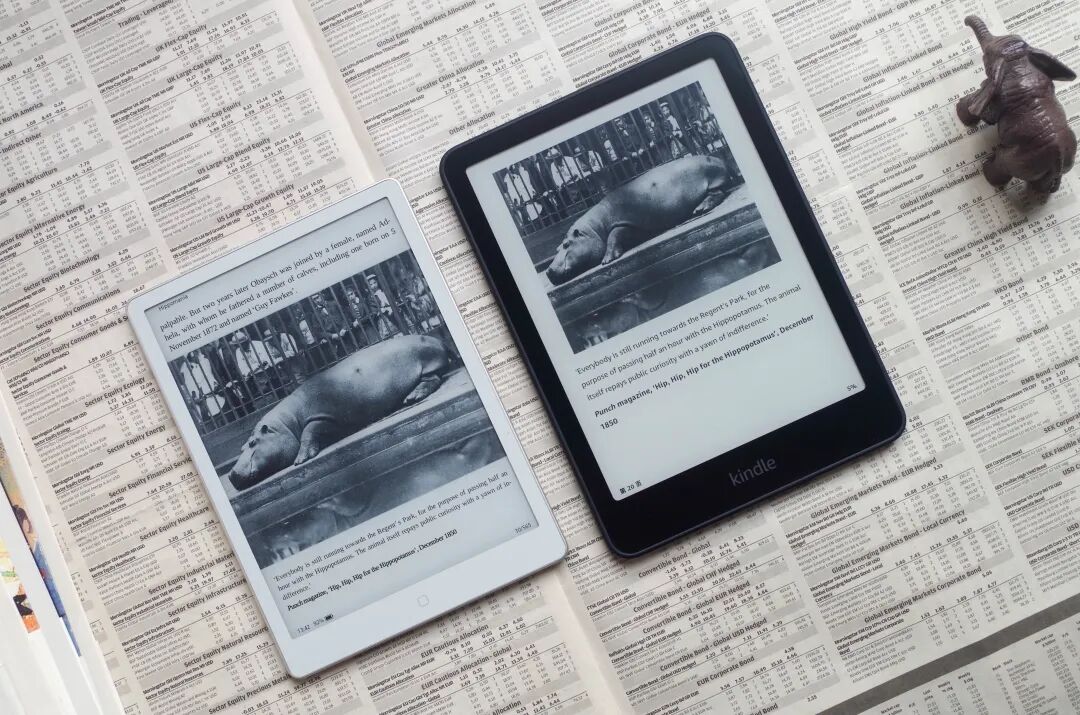
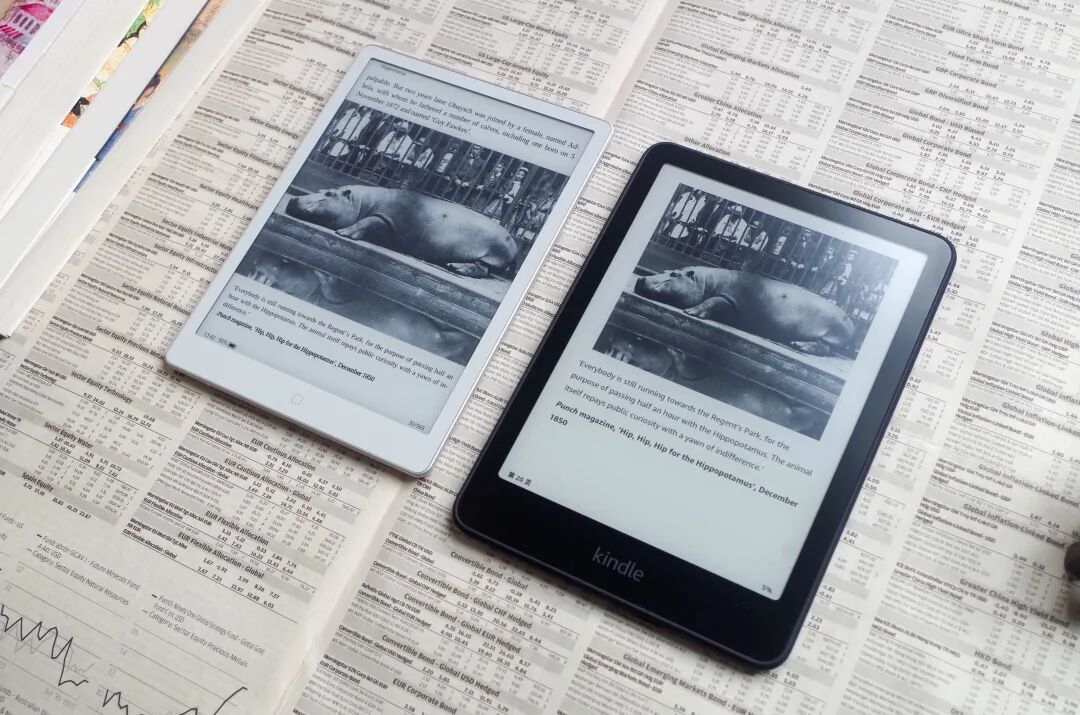
在图片上,Kindle的图片黑色要更深总体来说是旗鼓相当。
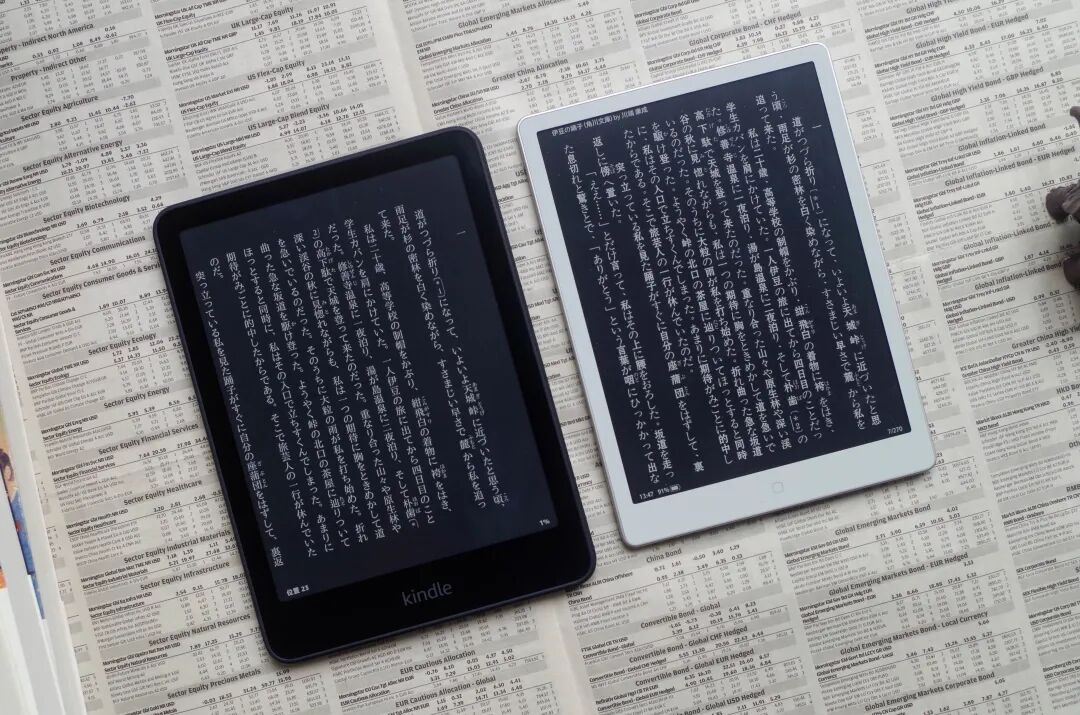
而在黑底白字的反显模式下,Kindle要更黑,而汉王Clear7锦鲤则是字更白。
至于防眩光glare-free上,Kindle自从KPW4换成纯平后表现就要差了不少。

可以看到在同一方向光源,同一拍摄角度下,Kindle左上角能明显看到光斑,而汉王Clear7锦鲤几乎看不到。
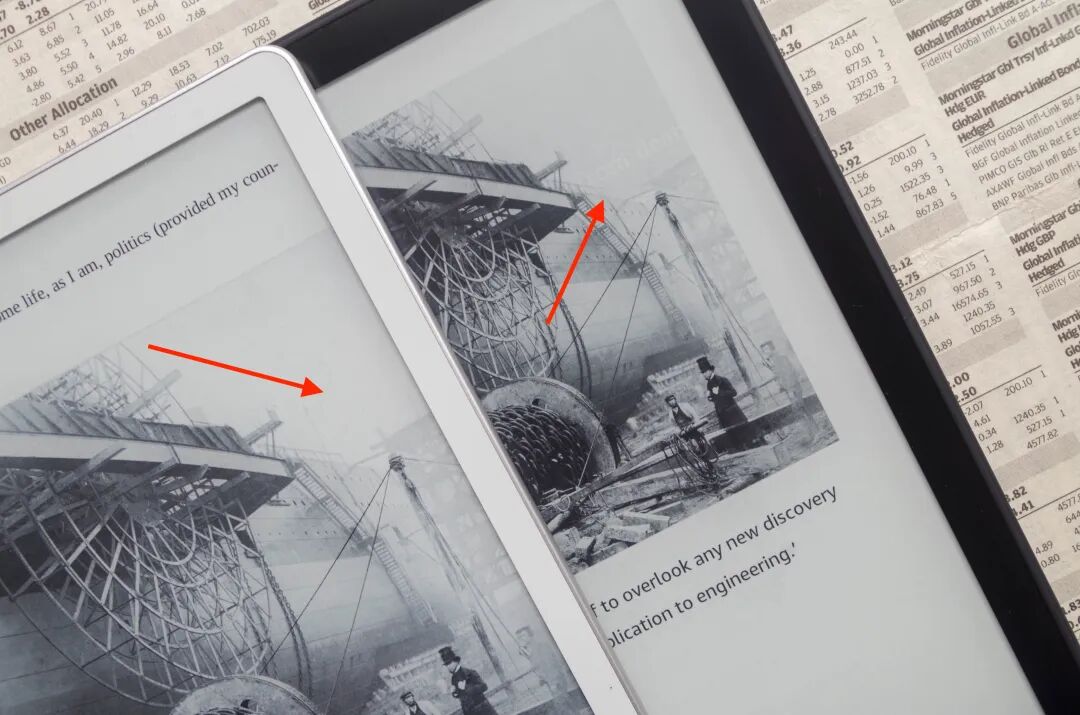
至于残影控制,Kindle其实也没有大家说的那么好,跟汉王Clear7锦鲤根本没得比,大象测试的方法是首先把汉王的全刷频率调低,两个机器熄屏后打开翻同样数量的页面后对比残影,可以明显看到Kindle的残影,而锦鲤上根本看不到。

再换一个,我们可以看到男人袍子下面依然有着不少字母残影。

在反显模式下更加明显,所以我们也不要过于迷信Kindle的技术,就怕货比货。
内容与传输
接下来说说书城和内容传输。

其实早在2022年亚马逊已经停止国区电子书店的运营,2024年6月30号后正式退出国区市场,就是说需要注册一个外区账号才能购买和邮件传输。

这就涉及一个非常麻烦的事情,虽然亚马逊拥有全球最大的电子书商店,可以关停国区之后就极少中文书籍,中文常见地区包括新加坡,香港和台湾都没有相应的电子书商店,也就是说Kindle上的正版中文资源近乎没有。如果没有一定的外语基础,可能在注册账号这一关就卡住了。

而汉王则内置京东读书、当当云阅读、起点好书等多个书城资源,这些书库都是直接系统内打通,不需要另外安装APP,和现有的账号也能实现互联互通,不用重复付费。
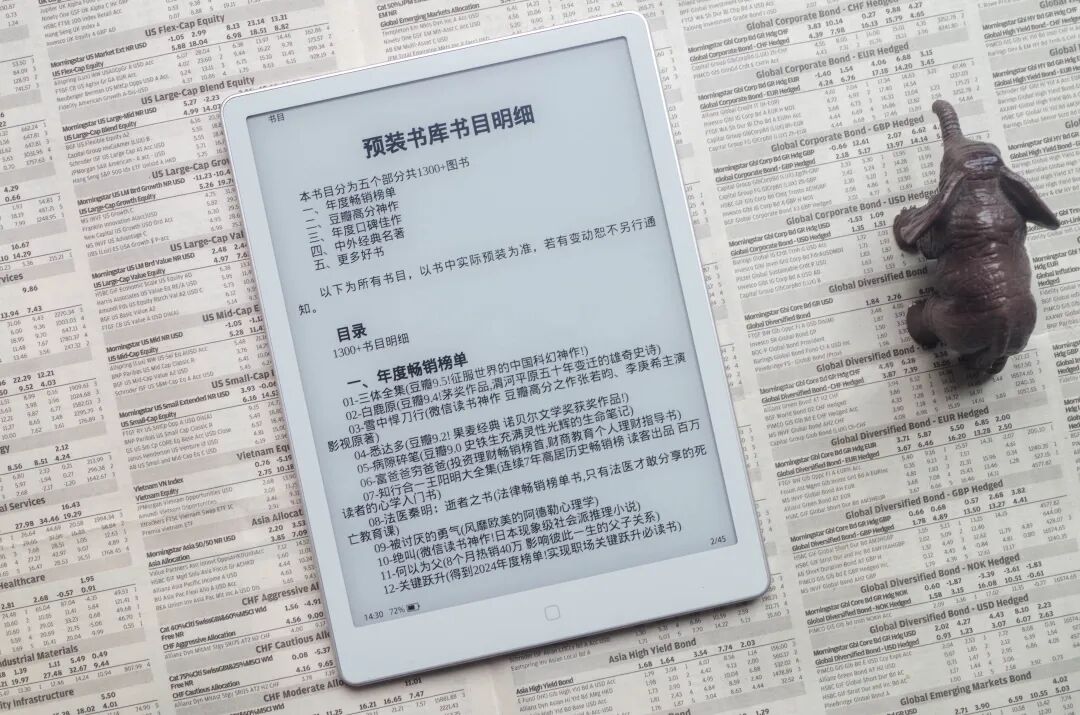
更是预装1300本免费书籍,以及每月送40种免费期刊。预装的图书开机就能看,无需联网和注册,哪怕是小孩和长者都是到手即用,零学习成本。

汉王更是对图书的品类和版本都有着严格的要求,比如这本《白鹿原》挑选的就是最经典的人民文学出版社1993年初版。而免费期刊则涵盖财经、时政、生活、艺术等等,满足日常的阅读,这些都是Kindle无法匹及的。
接下来说说看自己手头上库存的电子书文件的传输,USB传输上,Kindle的支持格式非常少,如果需要传输像EPUB这种最常见的电子书格式则需要借助软件来传输,而且不时会各种未知BUG,后面大象会展开。

汉王Clear7锦鲤直接USB连接电脑,用数据线复制粘贴,又快又稳,几十上百个问题都简单快捷到机器上。而Kindle只能传输有限几种格式的文件,汉王锦鲤常见不常见的,几乎都支持了。
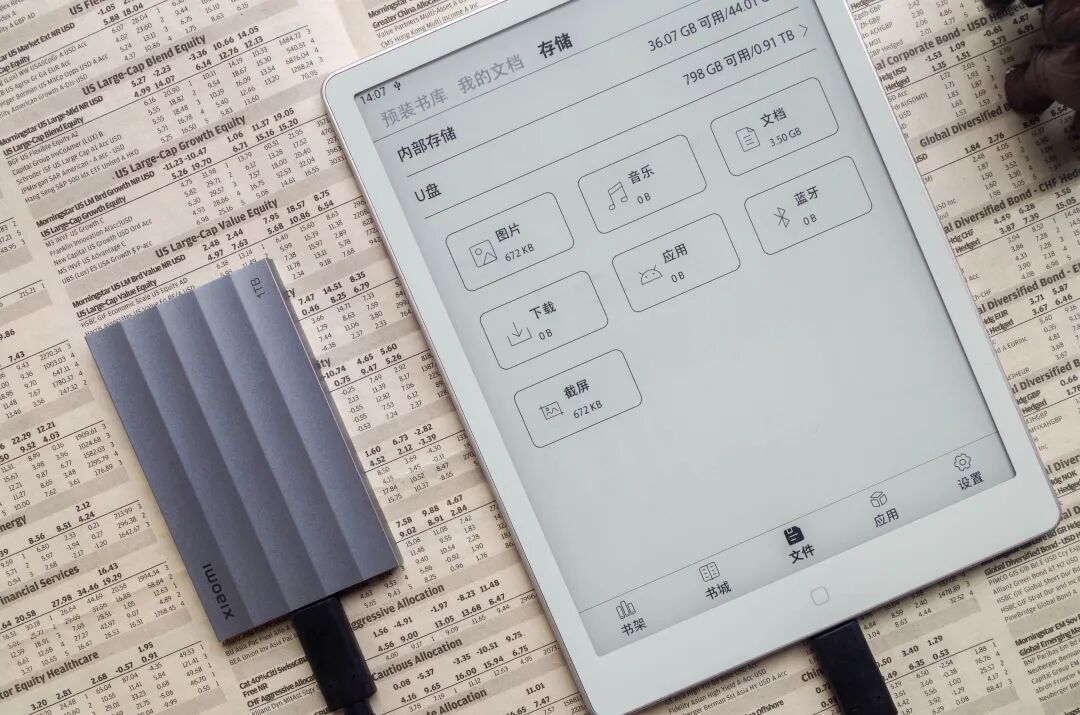
更直接的方式是我们还能直接把U盘接锦鲤上,直接复制粘贴。
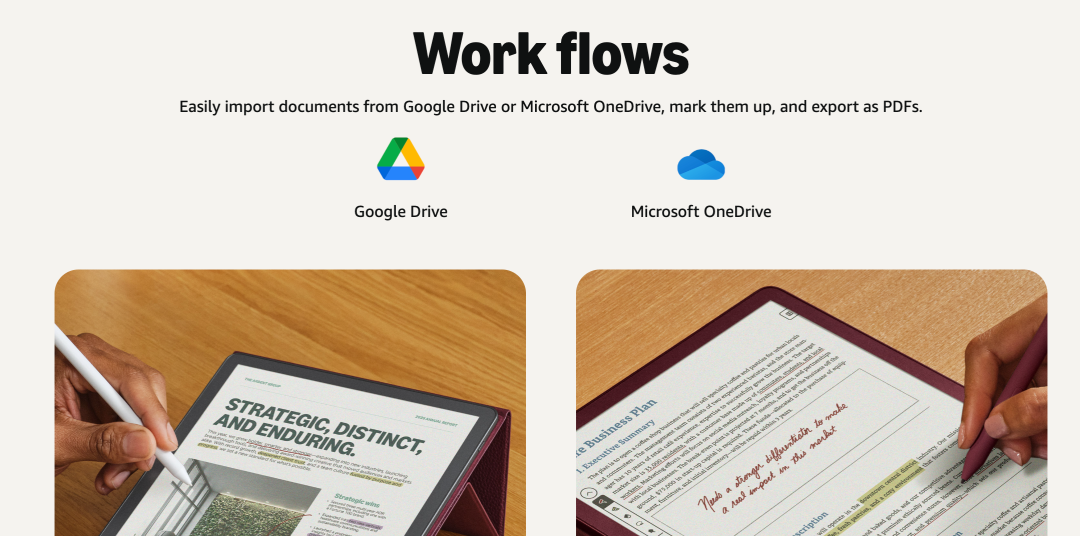
至于网盘,Kindle Paperwhite6直接欠奉,只有Scribe系列支持,而且尽显Google Drive和Microsoft OneDrive两种,众所周知的境外网盘是用起来多不方便。
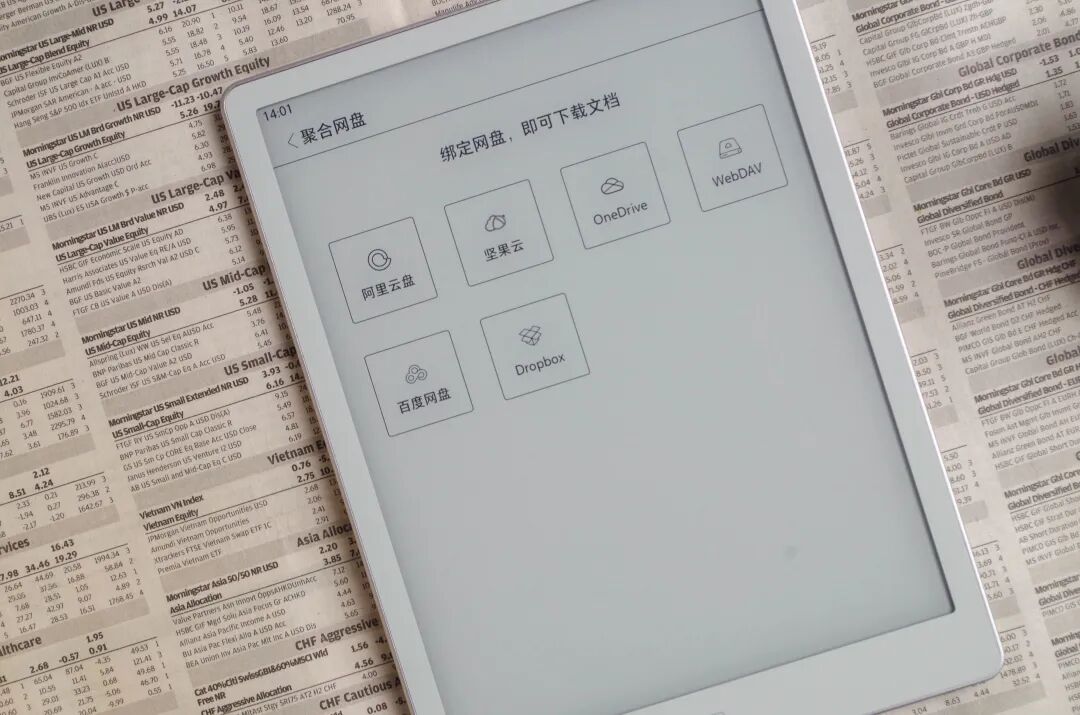
而汉王锦鲤的聚合网盘除了支持境外的Microsoft OneDrive和Dropbox,更支持国内常用的阿里云盘和百度网盘,更是支持私人NAS的WebDAV,不论什么格式的文件都可以传输,可以说是存储无忧。
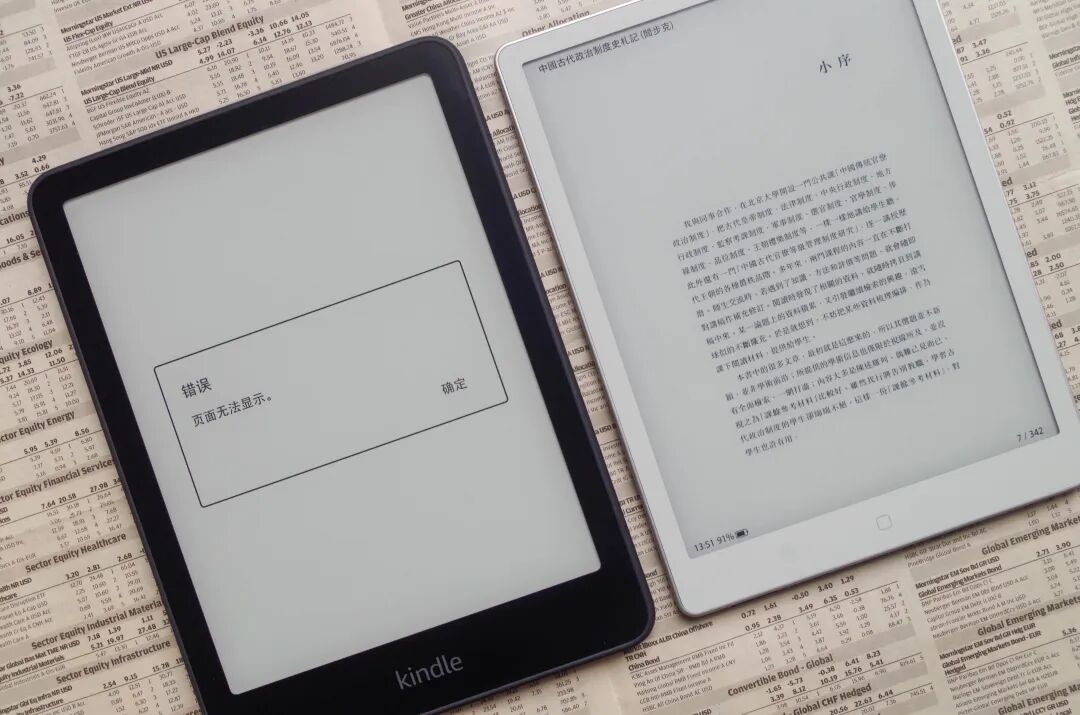
同时得益于更好的处理器,更大的运行内存,汉王Clear7锦鲤更是轻松拿捏超大的文档,都能轻松打开。相信不少小伙伴对Kindle的PDF支持可以说是深恶痛绝,崩溃是常见的事情。
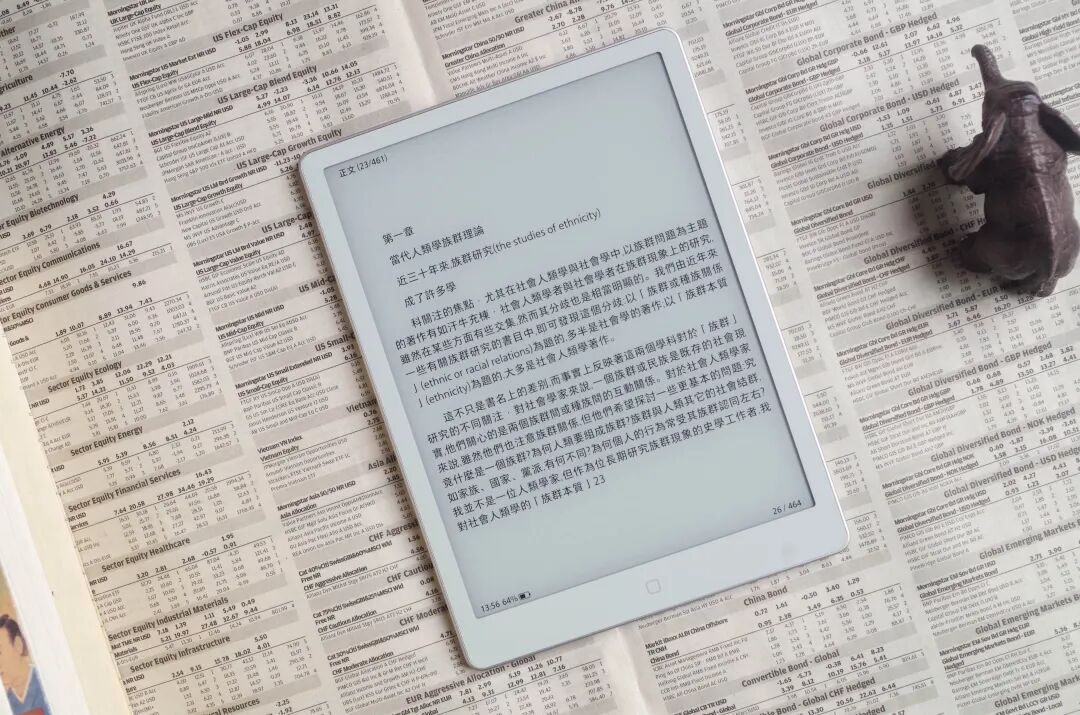
而除了能够流畅打开大文件,汉王还支持PDF文件的免费无限量OCR重排,哪怕是扫描质量不够好的文件依然可以轻松识别和重排。这对于7.1英寸这种看PDF原文件依然是页面偏小的情况,重排后的效果可以说是大大提升阅读体验。
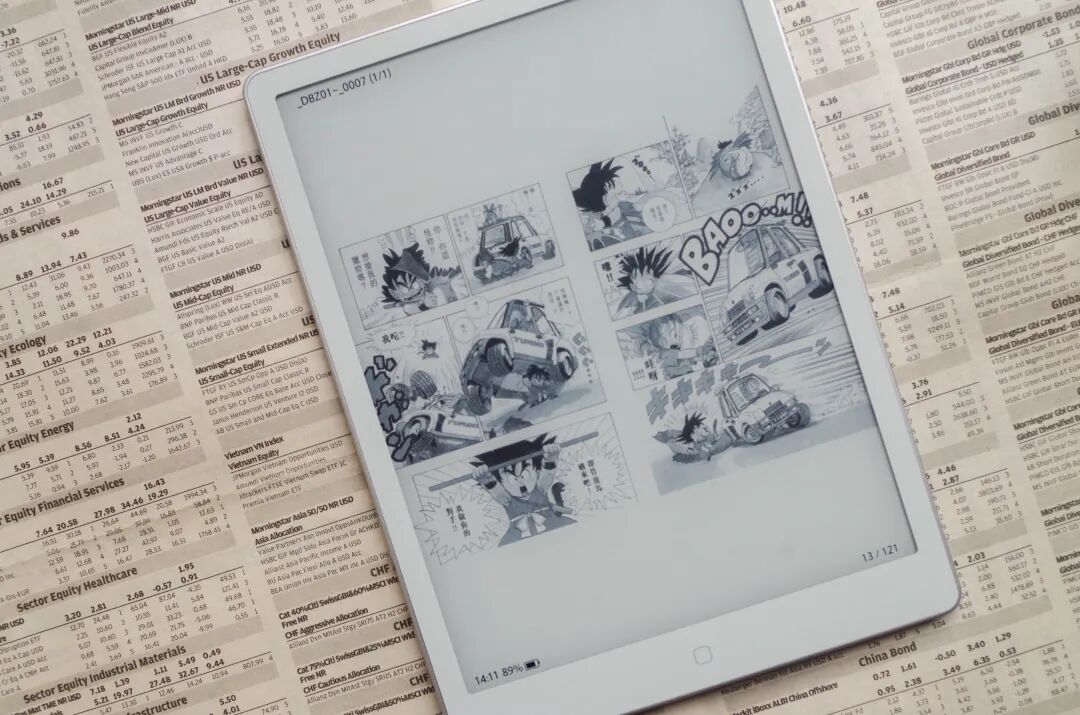
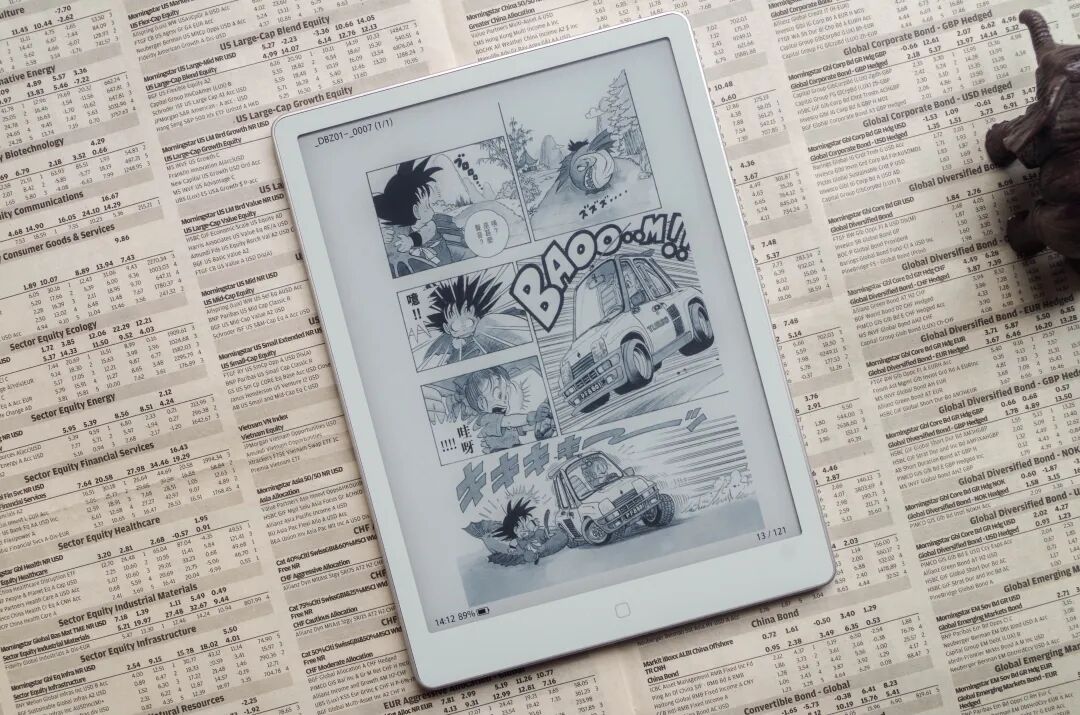
除了能够轻松打开文档,汉王还提供非常的页面裁切功能,比如我们有些漫画的原档是双页的,7英寸应然觉得小。

汉王Clear7锦鲤上只需要调出菜单,系统既考虑到了每页多图,又考虑到了顺序方向,多贴心。
要实现排版自由,还是要看国产品牌。
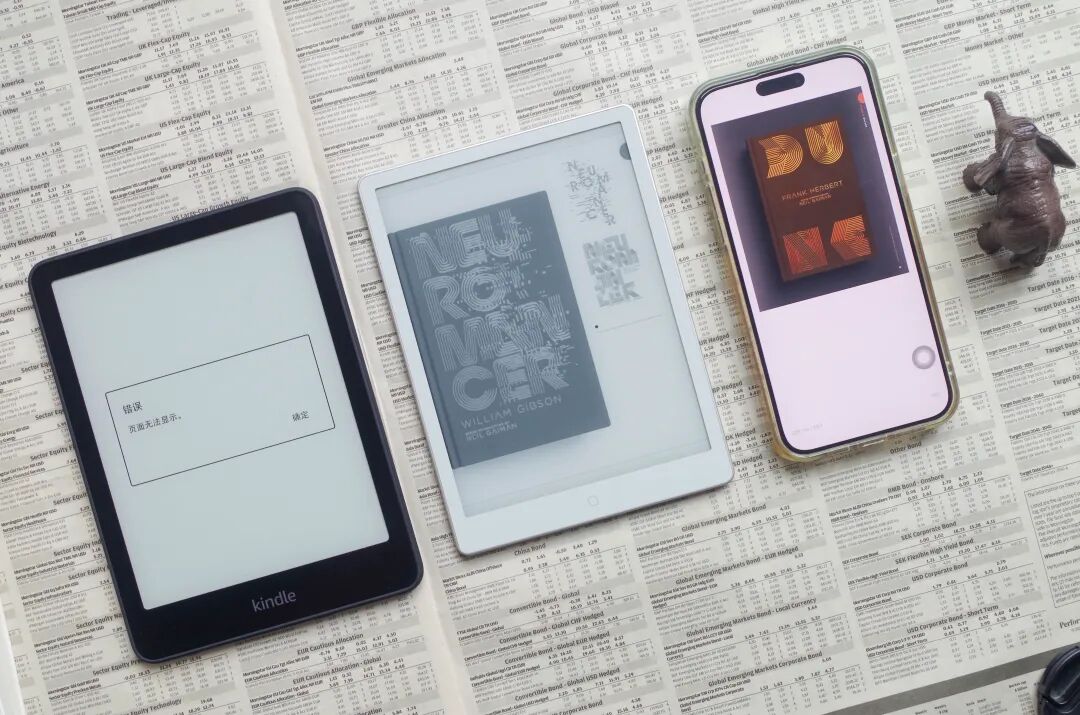
为什么大象那么确定是Kindle的性能问题,而不是文档有问题呢,因为文档可以在手机版 Kindle APP上正常使用,而Kindle设备上反而报错。

类似的各种问题其实各种各样,不论是何种方式传输的文档,只要文档稍微大一点,Kindle上总是能给人“惊喜”。
AI功能
至于AI这个功能,Kindle同样仅限于Scribe系列使用亚马逊Alexa AI,国内用户同样无缘,而且亚马逊Alexa功能也不强,更不用说Kpw6上根本不支持AI功能。

反观汉王Clear 7锦鲤的AI助手内置DeekSeek、豆包扣子和通义千问三大优势引擎,满足不用喜好和使用习惯的用户随时调用。
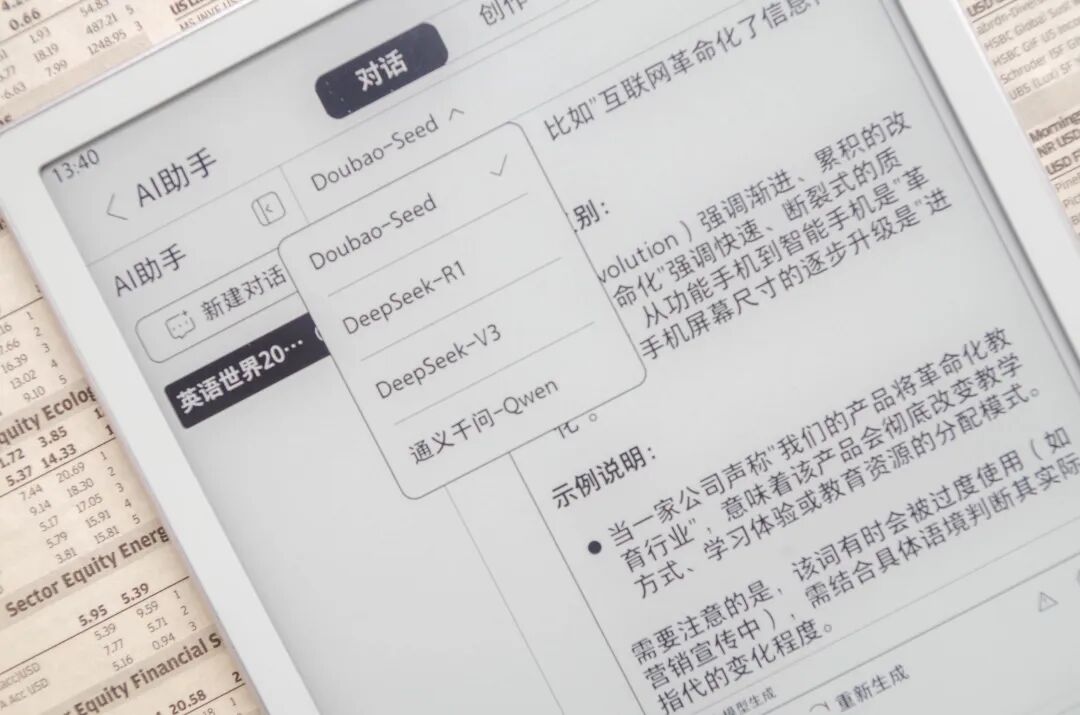
除了提供对话式提问,在阅读过程中随时展开,了解更多更深入的内容,汉王AI还支持AI内容创作,可以随时化身AI助手,不用装小龙虾之类。
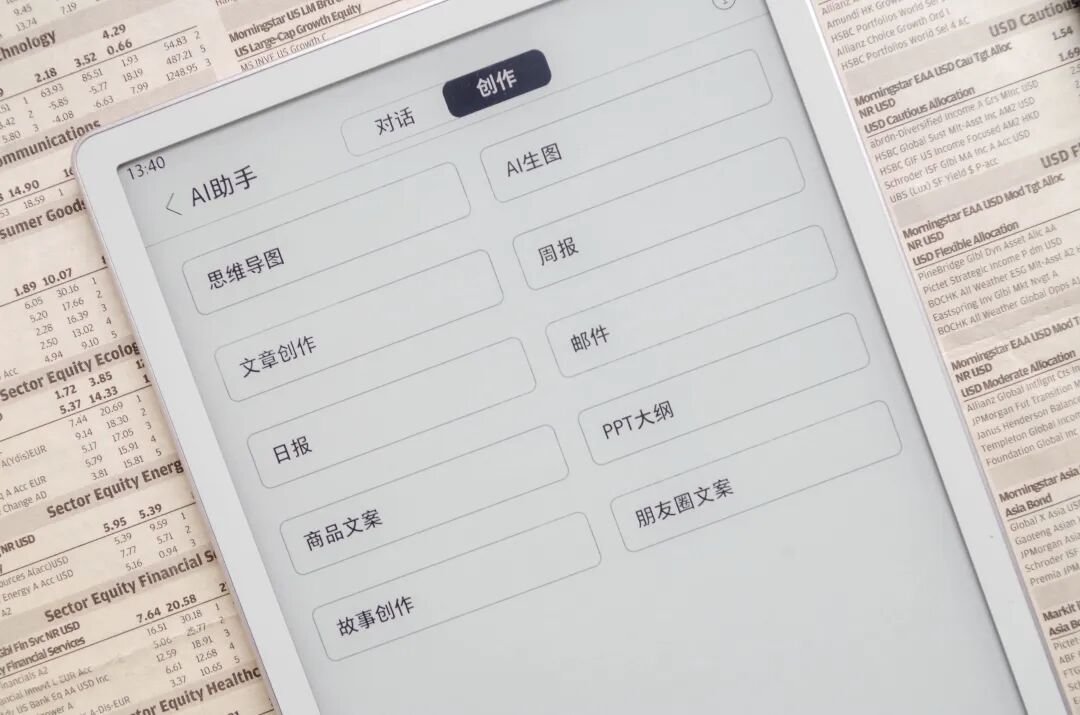
关键是AI功能不需要二次付费,不限流量,汉王自有服务器,不受排队等待干扰。
生态互联
最后来跟大家聊聊生态互联,Kindle只有一个Kindle APP,其他要么没有,要么就是国内环境不实用。
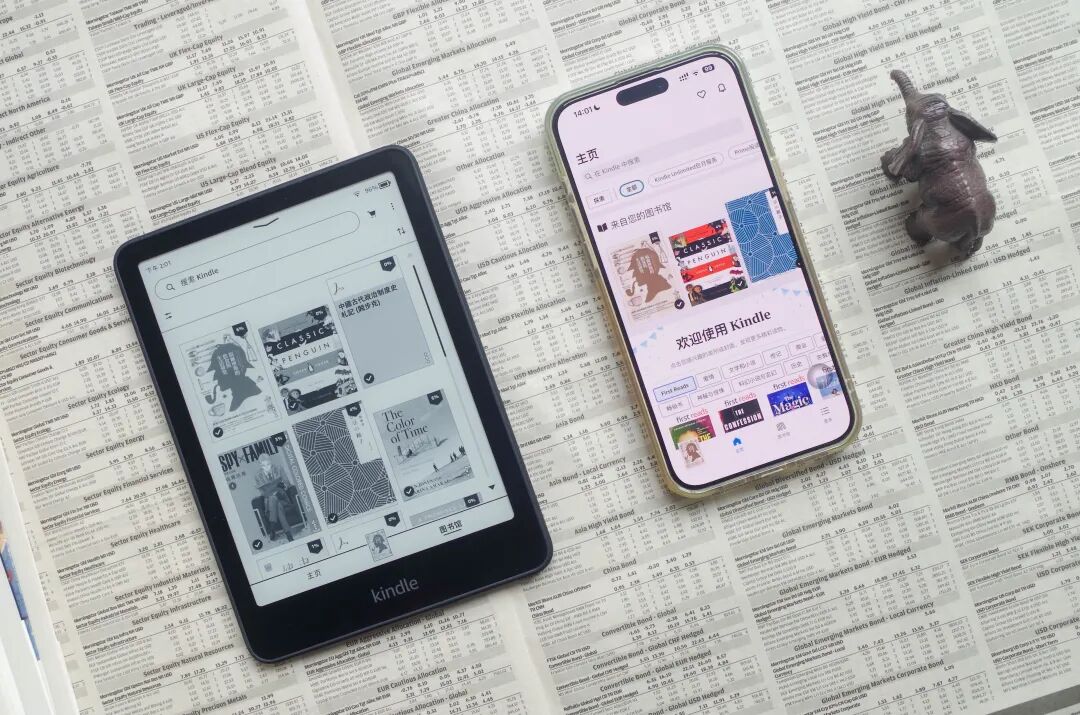
反观汉王锦鲤还是一个开放的安卓系统,加上更强的性能硬件,可以安卓各种APP,不受阅读平台的限制。
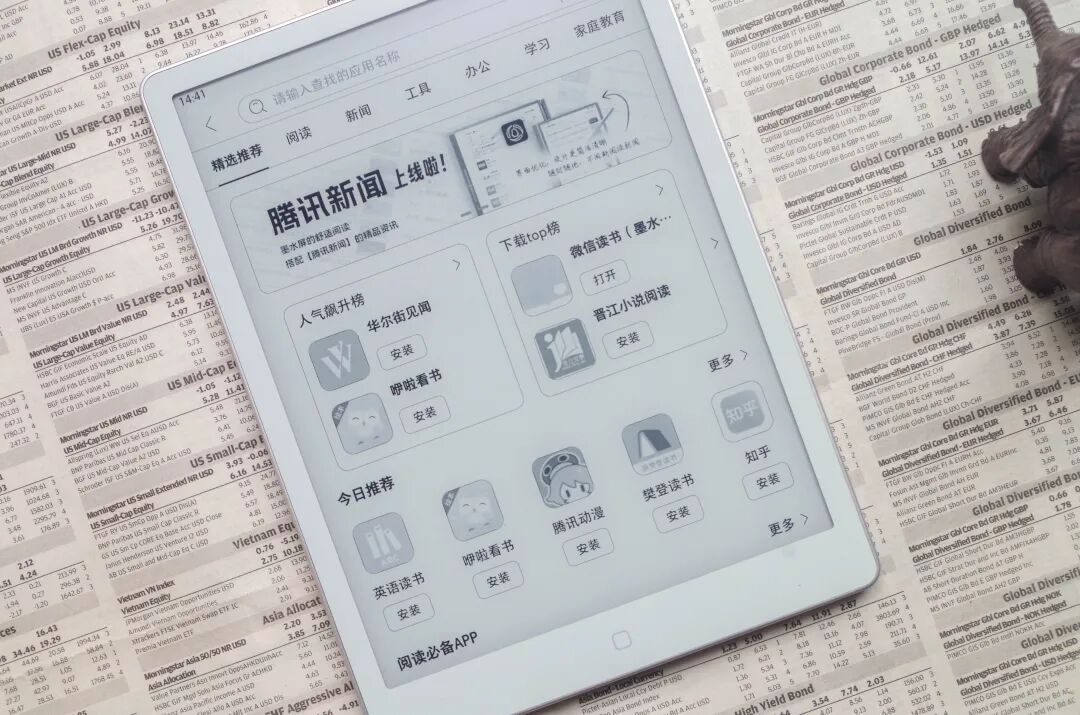
比如很多小伙伴放弃Kindle的一个重要原因就是不支持微信读书。
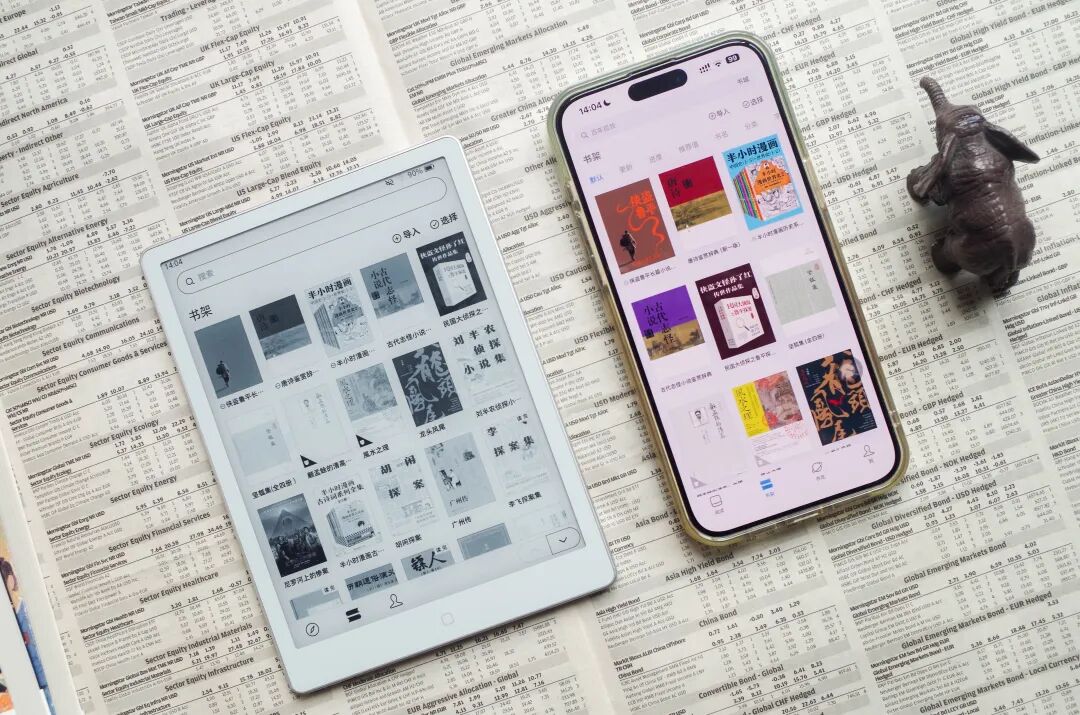
除了微信读书,汉王还有独家合作的墨水屏版APP,比如腾讯新闻,可以缓存2小时的新闻到机器上,在断网或者网络不好的场景下浏览阅读。
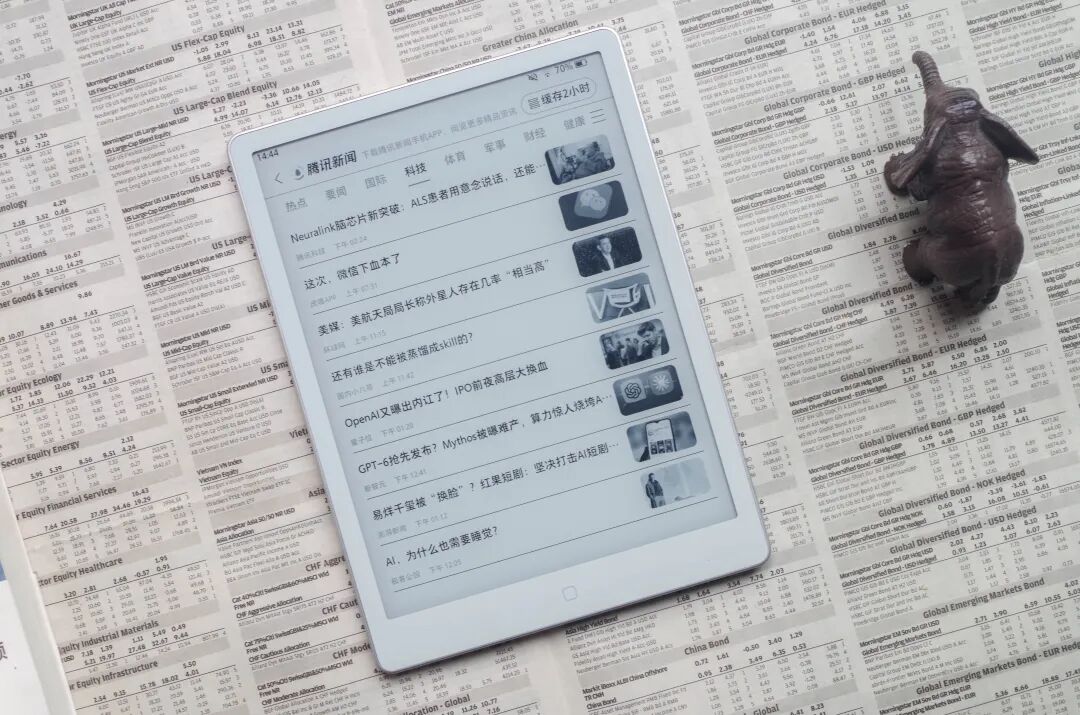
毕竟我们的阅读范围是可以非常宽的,不能在Kindle上没有就不阅读的限制和尴尬。

从网文到漫画,真正意义的阅读不受限,这就是汉王Clear 7锦鲤的魅力,这些都是Kindle无法给予的。
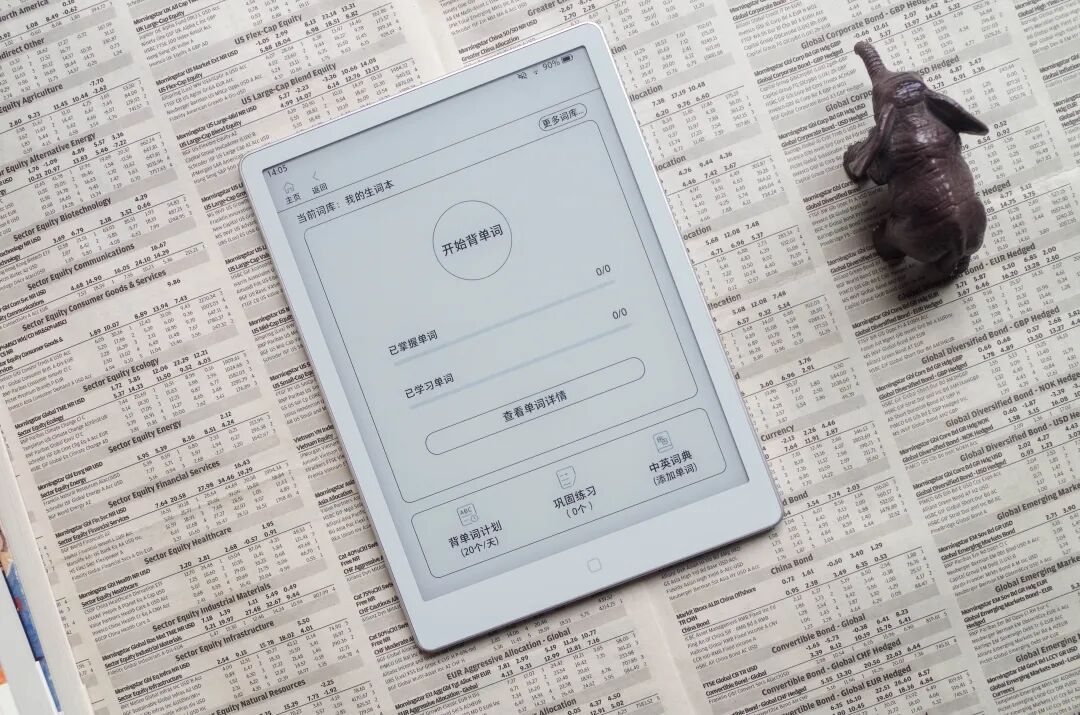
汉王锦鲤更可以随时化身一个单词机,一个更全能的机器,让墨水屏的使用场景更丰富,提升使用率。
最后说几句
另外要提醒大家因为亚马逊已经停止对国区的运营,Kindle目前已经没有“行货”,就是说一旦出现故障,售后几乎没有。另一方面不时出现消费者购买机器后,出现锁机的情况——就是可能被申请退货,甚至是盗刷信用卡购买的。所以大家在购买的时候最好多个心眼,选择有保障的平台和店铺购买。
Kindle Paperwhite6已经是Kindle家族的第12代产品,Kindle为我们带来了全新的阅读体验,也让我们认识到墨水屏电纸书——护眼而更沉浸的阅读。亚马逊电子书城也培养起我们的内容付费习惯,为知识和版权付费。
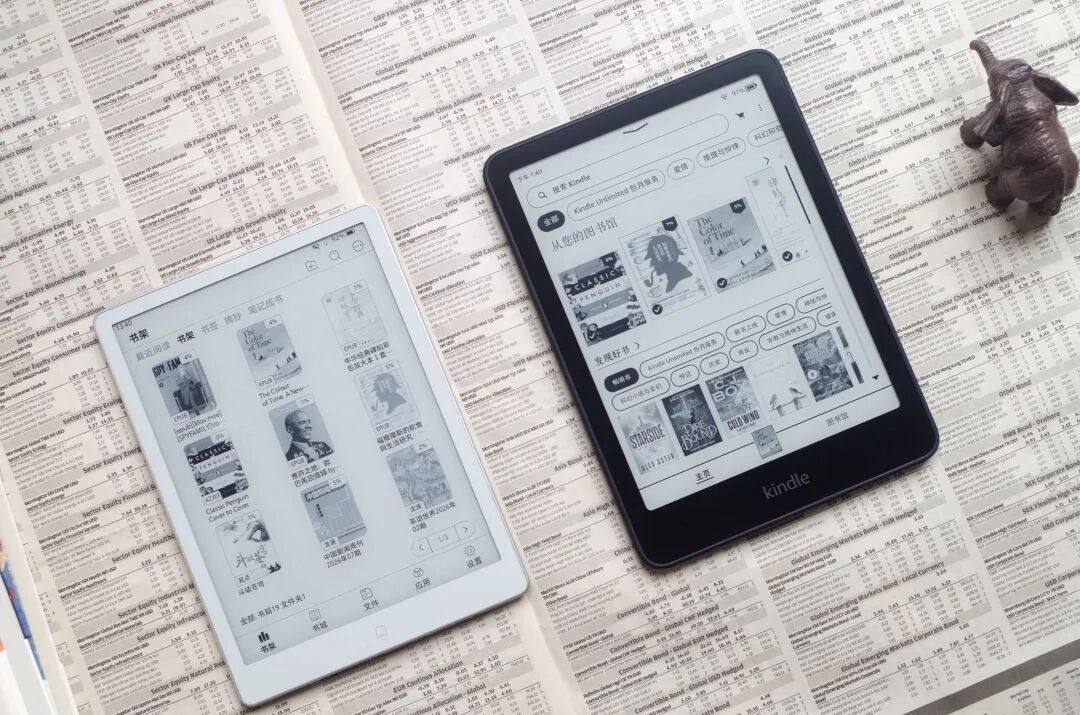
可是随着以汉王为代表的国产品牌的迅速发展,Kindle已无法专美。平时大象针对Kindle的优势评价就是它是一个Kindle。以Kindle Paperwhite6为例,相较于汉王Clear 7锦鲤的优势就是基于Linux系统续航和待机时间更长,但是这个也是它的劣势,它仅仅只能是一个Kindle。特别是在退出中国市场后,缺乏内容的支撑,存在着各种不便,另外对文件的支持也存在更BUG。而汉王锦鲤既提供从图书到期刊的海量免费正版内容,又支持国内常见的大书城,做到内容无忧。同时一个开放的系统更可以安装各种阅读APP,不受平台的捆绑,更不用担心像Kindle退出中国市场后机器成了一个“弃儿”。同时,国产机器只要是正规平台购买,就能享受国家规定的三包服务,使用更安心。
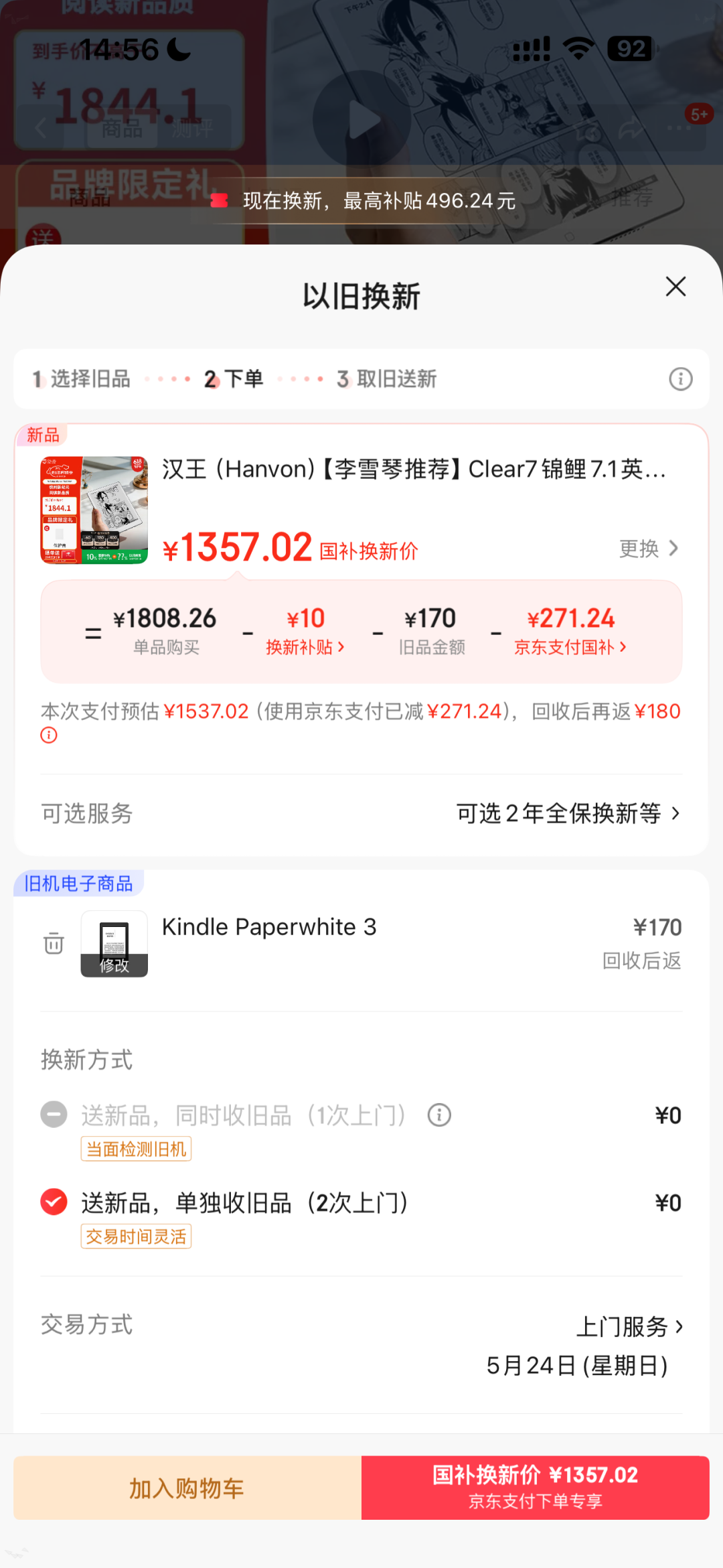
有些小伙伴之前也跟大象咨询过价格问题,汉王锦鲤要比KPW6贵啊。可是汉王锦鲤有更大的屏幕,更大的屏占比,更大的运存和储存,更强的性能和功能,这些都是值得加钱提升体验的。而且现在已经进入618促销期,我们可以多蹲一下各种优惠,甚至可以把老Kindle回收置换,那就能更实惠了!
在大象看来,Kindle已经不值得留恋,如果你是一个Kindle老用户,不妨体验下国产品牌,会让你带来全新的体验提升;如果你是一个墨水屏电纸书新手,更应该直接入手国产品牌,汉王锦鲤到手就能看,更可以随时同步以往使用的微信读书、番茄免费小说、起点等等平台,零学习成本,迅速上手。
Kindle once served as a generic term for e-paper e-reader products, just like Simmons for mattresses — no matter the brand, people's first reaction to any such device was, "Is that a Kindle?"
As an e-paper product enthusiast, Elefant naturally owns a Kindle too. But after getting exposure to a large number of domestic brands, the Kindle has become almost a decoration, usually left in a state where he can't be bothered to charge it.
As a pioneer in e-paper e-reader products, Amazon launched the first Kindle in 2007 and can be said to have long been deeply cultivating this unique track. At the same time, through deep cooperation with screen supplier E Ink, Kindle not only secured many screen debuts and exclusive technologies, but also held the power of discourse — with the same screens, Amazon could obtain better batches, giving Kindle its own advantage. For example, it debuted a 7-inch screen in 2017, and domestic brands were not allowed to use the same screen until four years later in 2021. In past products, many users complained that their screens were not as white as the Kindle's, precisely because the better screen batches were supplied to Amazon first.
In 2025, Amazon launched its first device featuring Oxide display technology. According to Amazon's official description: "The latest Oxide display technology improves writing and page-turn speed by 40%."
But as the market has changed, domestic brands have been able to quickly follow up on this new technology. For example, this year Hanvon launched the 7.1-inch reader — the Hanvon Clear7 Koi — featuring China's first Oxide boosted transient floating screen paired with the T2000 boosted fast-refresh engine, breaking the previous "monopoly" of Amazon Kindle.
In fact, Hanvon was also one of the earliest domestic manufacturers to follow up on e-paper e-reader products. As early as 2009, two years after the Kindle was released, it launched its first product and once held 95% of the domestic market. In recent years, Hanvon has returned to e-paper e-reader products, and with its deep technical heritage, it has launched multiple highly anticipated products.
Quite a few friends have left messages for Elefant asking how the Hanvon Clear7 Koi compares with the Kindle Paperwhite6. Elefant has previously done some content on Kindle too, so today I'll take the opportunity to talk about this topic with everyone.
Appearance and display comparison
Let's start with appearance.
First, let's look at the appearance comparison. The Kindle Paperwhite 6 uses a 7-inch screen, while the Hanvon Clear7 Koi uses a 7.1-inch screen. The latter has a larger screen, but it's obvious that the Koi has a much higher screen-to-body ratio.
As you can see, the Koi with the larger screen is actually a bit smaller than the KPW6.
The thickness difference is even more obvious. The thickest part of the Hanvon Koi is 6.5mm, while the KPW6 is 7.8mm. As for weight, the Koi is about 198g, while the KPW6 is about 211g.
The lighter Hanvon Clear7 Koi also features a metal body and a vegan leather back cover, giving it a more premium feel than the KPW6's plastic + skin-friendly material.
Both devices have 300 PPI. Under default contrast, we can see that the text on the Hanvon Clear7 Koi appears darker.
In images, the black areas on the Kindle are deeper, but overall they are evenly matched.
In inverted mode (black background with white text), the Kindle appears darker, while the Hanvon Clear7 Koi shows whiter text.
As for glare-free performance, the Kindle has been significantly worse since the KPW4 switched to a flat screen.
Under the same light source direction and the same shooting angle, you can clearly see a glare spot in the upper-left corner of the Kindle, while the Hanvon Clear7 Koi shows almost none.
As for ghosting control, the Kindle is actually not as good as people say, and it simply can't compete with the Hanvon Clear7 Koi. Elefant's test method was to first lower the full-refresh frequency on the Hanvon, then after turning off both screens and turning the same number of pages, compare the ghosting. You could clearly see ghosting on the Kindle, while none was visible on the Koi.
Let's switch to another example. You can see there are still quite a few letter ghosts under the man's robe.
It's even more obvious in inverted mode. So we shouldn't be overly superstitious about Kindle's technology — there's nothing like comparing products side by side.
Content and transfer
Next, let's talk about the bookstore and content transfer.
In fact, as early as 2022, Amazon had already stopped operating its e-book store in the China region, and after June 30, 2024, it officially exited the China market. This means you need to register an overseas account to purchase books and use email transfer.
This involves a very troublesome issue. Although Amazon has the world's largest e-book store, since it shut down the China region, there are very few Chinese-language books. Common Chinese-language regions including Singapore, Hong Kong, and Taiwan have no corresponding e-book stores, meaning there are almost no legitimate Chinese-language resources on Kindle. Without some foreign language ability, you might get stuck at the account registration step.
The Hanvon, on the other hand, comes with multiple bookstore resources built in, including JD Reading, Dangdang Cloud Reading, and Qidian Premium Books. These book libraries are directly integrated into the system, so there's no need to install additional apps. They also support interconnection with existing accounts, so you don't have to pay twice.
It also comes preloaded with 1,300 free books and offers 40 free magazines every month. The preloaded books can be read immediately after powering on, with no need for internet connection or registration. Even children and elderly users can use it right out of the box with zero learning cost.
Hanvon also imposes strict requirements on book categories and editions. For example, the included copy of "White Deer Plain" is specifically the classic 1993 first edition from People's Literature Publishing House. The free magazines cover finance, current affairs, lifestyle, art, and more, satisfying daily reading needs — all things the Kindle cannot match.
Next, let's talk about transferring your existing e-book files. When it comes to USB transfer, the Kindle supports very few formats. If you need to transfer EPUB, the most common e-book format, you have to use software to transfer it, and it's not uncommon to encounter various unknown bugs. I'll expand on that later.
With the Hanvon Clear7 Koi, you can directly connect it to a computer via USB and simply copy and paste — it's fast and stable. Dozens or even hundreds of files can be transferred to the device quickly and easily. The Kindle, by contrast, can only transfer a limited number of file formats, while the Hanvon Koi supports almost all formats, common or uncommon.
An even more direct method is connecting a USB flash drive directly to the Koi and simply copying and pasting.
As for cloud drives, the Kindle Paperwhite6 simply doesn't have them. Only the Scribe series supports them, and even then only Google Drive and Microsoft OneDrive — and as we all know, overseas cloud drives are very inconvenient to use.
The Hanvon Koi's aggregated cloud drive supports not only overseas services like Microsoft OneDrive and Dropbox, but also domestic services commonly used in China such as Aliyun Drive and Baidu Netdisk, as well as WebDAV for private NAS devices. Files of any format can be transferred, so you never have to worry about storage.
At the same time, thanks to a better processor and more RAM, the Hanvon Clear7 Koi can easily handle very large documents and open them smoothly. I'm sure many of you have a deep hatred for Kindle's PDF support — crashes are a common occurrence.
In addition to opening large files smoothly, Hanvon also supports free, unlimited OCR reflow for PDF files. Even poorly scanned files can be easily recognized and reflowed. Since a 7.1-inch screen is still a bit small for reading original PDF files, the reflowed result greatly improves the reading experience.
Besides opening documents easily, Hanvon also provides a very useful page cropping function. For example, some manga original files are double-page spreads, and even 7 inches feels too small.
On the Hanvon Clear7 Koi, you just need to bring up the menu, and the system takes into account both multiple images per page and the reading order and direction. How thoughtful.
If you want true layout freedom, you still have to look at domestic brands.
Why is Elefant so sure it's a Kindle performance issue and not a problem with the document? Because the same document works fine in the Kindle app on a phone, yet it errors on the Kindle device itself.
There are all kinds of similar problems. No matter how the document is transferred, as long as it's a bit larger, the Kindle always manages to deliver a "surprise."
AI features
As for AI features, the Kindle is likewise limited to the Scribe series with Amazon's Alexa AI, which domestic users also cannot access. Moreover, Amazon Alexa isn't very capable, and the KPW6 doesn't support AI features at all.
In contrast, the Hanvon Clear 7 Koi's AI assistant comes with three major engines built in — DeepSeek, Doubao Kouzi, and Tongyi Qianwen — satisfying users with different preferences and habits who want to call on AI at any time.
In addition to conversational Q&A that can be launched at any time during reading to learn more and deeper content, Hanvon AI also supports AI content creation. It can become an AI assistant at any moment, so you don't need to install third-party add-ons.
The key point is that the AI feature requires no additional payment and has unlimited traffic. Hanvon uses its own servers, so there's no queueing or waiting interference.
Ecosystem connectivity
Finally, let's talk about ecosystem connectivity. The Kindle only has a Kindle app. Everything else either doesn't exist or isn't practical in the domestic environment.
In contrast, the Hanvon Koi runs an open Android system, and with stronger performance hardware, you can install various Android apps without being restricted to a single reading platform.
For example, one important reason many friends abandoned the Kindle is that it doesn't support WeRead.
Besides WeRead, Hanvon also has exclusive e-ink versions of apps developed through partnerships, such as Tencent News, which can cache up to 2 hours of news on the device for reading when offline or in poor network conditions.
After all, our reading scope can be very broad, and we shouldn't have to face the restriction and awkwardness of simply not reading something just because it's not available on a Kindle.
From web novels to manga, reading is truly unrestricted — that's the charm of the Hanvon Clear 7 Koi, and these are all things a Kindle cannot offer.
The Hanvon Koi can also turn into a vocabulary-learning device at any moment — a more versatile machine that enriches the use cases of e-paper screens and increases usage frequency.
A few final words
I should also remind everyone that because Amazon has stopped operations in the China region, Kindles currently have no "official domestic units," meaning that once a fault occurs, there's almost no after-sales service. On top of that, consumers sometimes buy a device and then find it locked — which can happen if the device was part of a return fraud or even purchased with a stolen credit card. So when buying, you should be extra cautious and choose a reputable platform and store.
The Kindle Paperwhite6 is already the 12th generation of the Kindle family. The Kindle brought us a brand-new reading experience and introduced us to e-paper e-readers — reading that's eye-friendly and more immersive. Amazon's e-book store also cultivated our habit of paying for content, paying for knowledge and copyright.
But with the rapid development of domestic brands represented by Hanvon, the Kindle can no longer claim all the glory. Elefant's usual compliment for the Kindle is that it is a Kindle. Taking the Kindle Paperwhite6 as an example, compared with the Hanvon Clear 7 Koi, its advantage lies in the Linux-based system with longer battery life and standby time — but that is also its disadvantage: it can only be a Kindle. Especially after exiting the Chinese market, it lacks content support and has various inconveniences, along with bugs in file support. The Hanvon Koi, meanwhile, offers a vast amount of free legitimate content from books to magazines and supports major domestic bookstores, so content is never a worry. At the same time, as an open system, it can install various reading apps and isn't tied to any single platform — and there's no fear of the device becoming an "orphan" the way Kindles did after Amazon exited China. Moreover, as long as domestic devices are purchased from a legitimate platform, they enjoy the national three-guarantee service, giving users greater peace of mind.
Some friends have also asked Elefant about the price. The Hanvon Koi is more expensive than the KPW6. But the Hanvon Koi offers a larger screen, a higher screen-to-body ratio, more RAM and storage, and stronger performance and features — all worth paying extra for an improved experience. And now that we're in the 618 promotion period, we can watch for various discounts, or even trade in an old Kindle, making it even more affordable!
In Elefant's view, the Kindle is no longer worth clinging to. If you're a longtime Kindle user, why not try a domestic brand — it will bring you a whole new level of experience. If you're new to e-paper e-readers, you should definitely go straight for a domestic brand. The Hanvon Koi is ready to read right out of the box, and you can sync platforms you've been using like WeRead, Fanqie Free Novels, Qidian, and more at any time — zero learning cost, quick to get started.
Original link: https://mp.weixin.qq.com/s/eYXv46e6zc1oyTGPouuy4g